






















The Strait of Hormuz has become the center of an escalating diplomatic gamble as a peace proposal between the United States and Iran hangs in uncertainty, with just days reportedly left before a potential decision point. The fragile negotiations are unfolding under intense geopolitical pressure, as global markets react nervously to every statement emerging from Washington and Tehran.
The situation has taken on a countdown-like tone, with leaders signaling both openness and warning in equal measure. While diplomacy continues behind closed doors, public messaging from both sides suggests that the outcome could swing either toward de-escalation or renewed confrontation.
U.S.-Iran peace talks continue with more suspense than a season finale
The Strait of Hormuz peace proposal is currently under review by officials in Iran, according to state-linked communications that describe the process as active but not concluded. Iranian leadership has not confirmed acceptance or rejection, but internal consultations are ongoing as the war situation nears its third month.
In parallel, Iran’s political and military leadership, including statements associated with national security planning, have emphasized readiness for all outcomes. The peace proposal is therefore being evaluated not only as a diplomatic document but also as a strategic decision affecting national defense posture.
Strait of Hormuz tensions continue as global shipping faces disruption risks
The Strait of Hormuz remains one of the world’s most sensitive maritime corridors, with global energy shipments passing through its narrow passage daily. Any disruption, even rhetorical, has immediate consequences for fuel pricing and international trade stability.
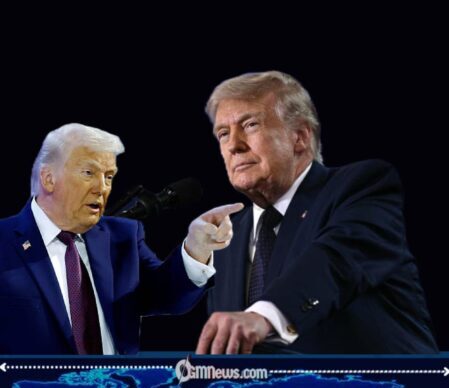
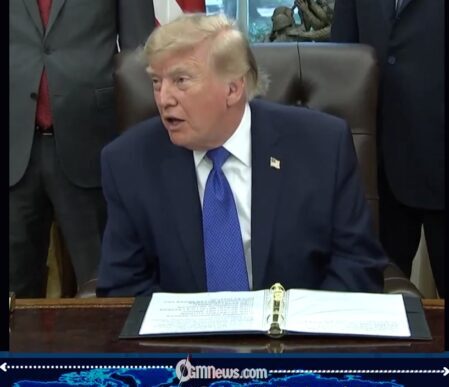
Donald J. Trump has repeatedly stated that the waterway must remain open and free of tolls, while also insisting that Iran cannot develop nuclear weapons under any future agreement. These dual positions have added pressure to already fragile negotiations.
Meanwhile, mediation efforts involving regional figures such as Asim Munir reflect attempts to stabilize indirect talks. The diplomatic balancing act underscores how the peace proposal has become not just a bilateral issue, but a wider regional concern involving security guarantees, maritime access, and nuclear restrictions.
The fate of the Strait of Hormuz peace proposal now rests in a delicate intersection of diplomacy, military signaling, and economic pressure. With Donald J. Trump maintaining a short waiting window and Iran weighing both security and political implications, the coming days are expected to be decisive. Whether the situation moves toward stabilization or further escalation will depend on whether negotiations can overcome mistrust and competing strategic interests surrounding the Strait of Hormuz and the broader peace framework.
[…] […]