








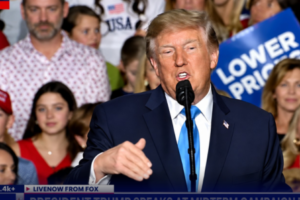





















Health Research has suddenly become the latest battlefield inside Washington after Senator Susan Collins openly challenged President Donald Trump’s proposed plan to reduce federal funding tied to medical and scientific programs. The dispute, now drawing national attention, has ignited fresh concerns among researchers, universities, and healthcare advocates who fear that budget tightening could carry consequences far beyond politics. What initially appeared to be another routine fiscal proposal is now evolving into a deeper debate over whether America is willing to gamble with the future of medical innovation during an increasingly competitive global scientific race.
Collins Challenges Trump’s Health Research Funding Cuts
Senator Collins reportedly pushed back against portions of the administration’s broader spending strategy that could affect agencies connected to biomedical and public health research, particularly programs tied to the National Institutes of Health. Collins, who has historically defended medical research funding during budget negotiations, argued that federal investment has played a major role in advancing treatments for cancer, neurological diseases, rare disorders, and emergency health responses that benefit millions of Americans.
Health Research institutions across the United States reacted cautiously but nervously to the proposal, with several experts warning that funding instability often disrupts long-term scientific projects that require years of data collection and experimentation. Critics of the proposed cuts argue that reducing research support may save money in the short term while quietly increasing future healthcare costs if breakthroughs are delayed or abandoned altogether. Supporters of tighter spending, however, maintain that federal agencies must also face scrutiny as Washington battles mounting national debt and pressure to reduce government expenditures.
Trump’s Funding Plan Ignites Fear of a Medical Brain Drain
The Health Research debate also arrives at a time when global competition in biotechnology and pharmaceutical innovation continues accelerating rapidly. Recent years have reminded governments worldwide that medical preparedness, vaccine development, and rapid scientific response capabilities remain essential national priorities. Analysts note that even temporary funding reductions can create ripple effects, particularly for universities and hospitals relying heavily on federal grants to sustain laboratories, clinical trials, and specialized research teams.
Beyond the political arguments, the controversy has also triggered widespread satire online, where critics joked that scientists may soon be expected to develop billion-dollar medical breakthroughs using “discount laboratory budgets and patriotic determination.” Yet behind the humor remains serious concern among public health advocates who believe America’s scientific leadership could weaken if uncertainty surrounding Health Research funding continues growing. Congressional negotiations are expected to intensify in the coming weeks as lawmakers attempt to balance economic restraint with public demand for continued medical advancement.
For now, the dispute between Collins and the Trump administration reflects a larger national question that Washington may struggle to answer cleanly: how much should governments invest in future scientific discoveries before the public fully understands what could be lost without them. OGM News will continue monitoring developments surrounding Health Research negotiations as political and medical communities brace for the next stage of the budget fight.


Casinoabc999? Good Site. The interface is sleek, and there is a lot of stuff to...