






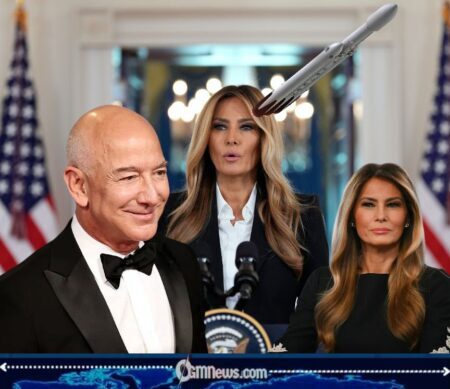
Bezos Business has become the center of a growing debate after Jeff Bezos publicly defended Amazon’s investment in a documentary focused on First Lady Melania Trump, calling it a “good business decision.” The statement has reignited scrutiny of one of the most discussed media projects of the year, with supporters praising its attention-grabbing appeal while critics question whether the numbers truly support the optimism. As the controversy grows, the documentary has become more than a film—it has become a test of how modern corporations measure success.
Bezos Rejects Favoritism Claims as Melania Film Faces Scrutiny
According to the original premise, Bezos has firmly rejected claims that the Melania documentary was motivated by politics or designed to gain favor with President Donald J. Trump’s administration. Instead, he argued that the project represented a sound commercial decision based on audience interest and the unique appeal of a high-profile public figure. Bezos also emphasized that he was not personally involved in the decision-making process surrounding the acquisition.
The documentary attracted attention long before its release because of its reported cost. Industry estimates placed the total expenditure at approximately $75 million, combining licensing, production, marketing, and distribution expenses. While critics focused on the unusually large figure for a documentary project, supporters argued that the film’s value should also be assessed through streaming performance, subscriber engagement, and long-term audience interest rather than theatrical revenue alone.
Bezos Stands Firm While Critics Challenge the Logic Behind Melania Investment
The broader context surrounding the documentary helps explain why Bezos Business remains such a contentious topic. The project chronicles a period leading up to President Trump’s second inauguration and was marketed on a scale rarely seen for documentaries. Promotional campaigns included major advertising placements and extensive public visibility, creating expectations more commonly associated with blockbuster films than non-fiction storytelling.
Additional reporting shows that the documentary generated mixed reactions from critics and industry observers. Some questioned whether the investment could realistically be justified through traditional financial metrics, while others noted that documentaries focused on major political figures often generate value through public attention, media discussion, and streaming consumption. Meanwhile, Bezos continues to insist that speculation about political motives is misplaced, maintaining that the decision was rooted in business considerations rather than influence or access.
The continuing debate highlights a larger question facing modern media companies: how should success be measured in an era where streaming audiences, cultural impact, and public attention can matter as much as ticket sales? For now, Bezos Business remains a story about far more than one documentary. It is a story about perception, power, and the increasingly blurred line between entertainment, politics, and corporate strategy. OGM News will continue monitoring developments surrounding the project and its long-term performance.
Logging in is a breeze and the site stability is amazing even during peak hours....