


























Iran Countdown tensions escalated sharply on Thursday after President Donald J. Trump declared he was prepared to wait only “a few days” for Tehran’s response to Washington’s latest proposal, while simultaneously warning that renewed military action could happen “very quickly” if negotiations fail. The increasingly volatile diplomatic standoff has placed the Tehran Gamble at the center of global attention, with fears growing that the narrow window for peaceful resolution may be rapidly closing. As both governments exchange public warnings while insisting they still prefer a deal, the world is once again watching diplomacy operate under the shadow of possible escalation.
Iran Countdown Intensifies as Both Sides Trade Warnings
The Iran Countdown entered a critical stage after Iranian officials confirmed they had received Washington’s latest position and were reviewing it internally. Iranian Foreign Ministry spokesperson Esmaeil Baghaei stated through state-linked media that Tehran was examining the American response, though no indication was given that major disagreements had been resolved.
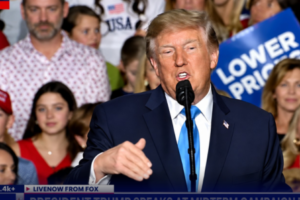
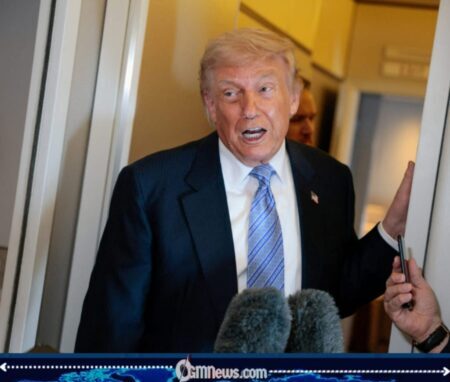
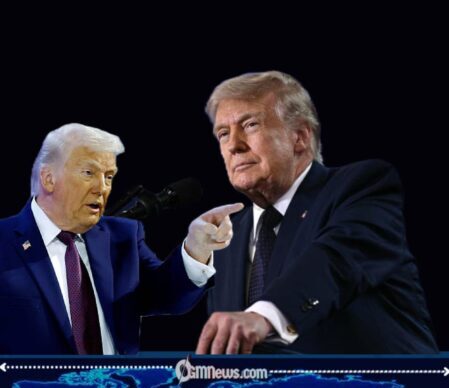
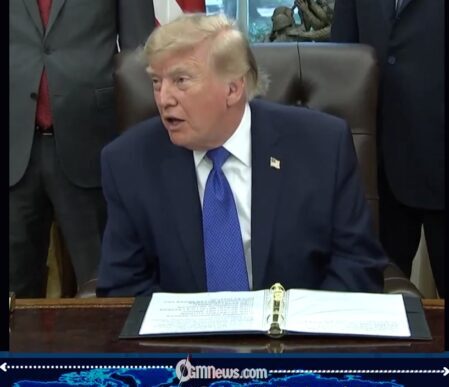
President Donald J. Trump, speaking to reporters at Joint Base Andrews, maintained a mix of pressure and unpredictability that has become characteristic of his foreign policy style. He reiterated his administration’s determination to prevent Iran from obtaining a nuclear weapon and warned that if Tehran failed to provide satisfactory answers, military options remained available. Trump emphasized that events could move “very quickly,” adding that while he hoped to minimize casualties, the United States was fully prepared to escalate if necessary.
The Tehran Gamble became even more complicated after Iran’s Revolutionary Guards warned that renewed attacks against the country could trigger a broader regional war extending beyond the Middle East. The statement intensified fears among international observers already concerned about instability affecting global trade routes, energy markets, and diplomatic alliances.
Tehran Gamble Reveals Deep Divide Over War Settlement Terms
The Tehran Gamble now revolves around a familiar but unresolved problem: both sides continue demanding conditions that the other considers politically difficult or strategically unacceptable. Iran’s latest proposal reportedly includes demands for sanctions relief, compensation for war-related damage, release of frozen financial assets, withdrawal of U.S. troops from parts of the region, and guarantees tied to the Strait of Hormuz — conditions that largely mirror proposals Washington has previously rejected.
The Strait of Hormuz remains one of the most sensitive aspects of the dispute because of its central role in global oil transportation. Analysts warn that any disruption there could trigger major economic consequences worldwide, particularly as energy prices remain politically sensitive in many countries. Trump’s administration has repeatedly framed freedom of navigation through the strait as a critical international security issue, while Iran continues viewing regional military pressure and sanctions as existential threats requiring firm resistance.
Diplomatic observers note that both governments appear trapped between competing pressures. The White House faces domestic expectations to project strength while avoiding another prolonged regional conflict, especially amid economic concerns linked to fuel prices and geopolitical instability. Iran’s leadership, meanwhile, faces pressure internally to avoid appearing weak while also preventing further economic damage from sanctions and military confrontation.
The public rhetoric from both sides has also revealed the increasingly psychological nature of the negotiations. Trump’s strategy of unpredictability and maximum pressure continues shaping the diplomatic environment, while Tehran appears determined to demonstrate resilience rather than urgency. Analysts say this combination creates a dangerous atmosphere where miscalculation becomes more likely even while formal negotiations technically remain alive.
As the Iran Countdown continues ticking forward, the Tehran Gamble has become more than a diplomatic dispute over policy details. It now represents a high-risk contest involving military deterrence, political image, economic survival, and personal leadership styles operating under extraordinary global scrutiny. Whether the coming days produce compromise or confrontation may shape not only US-Iran relations, but also the stability of an already fragile international order.
[…] […]