



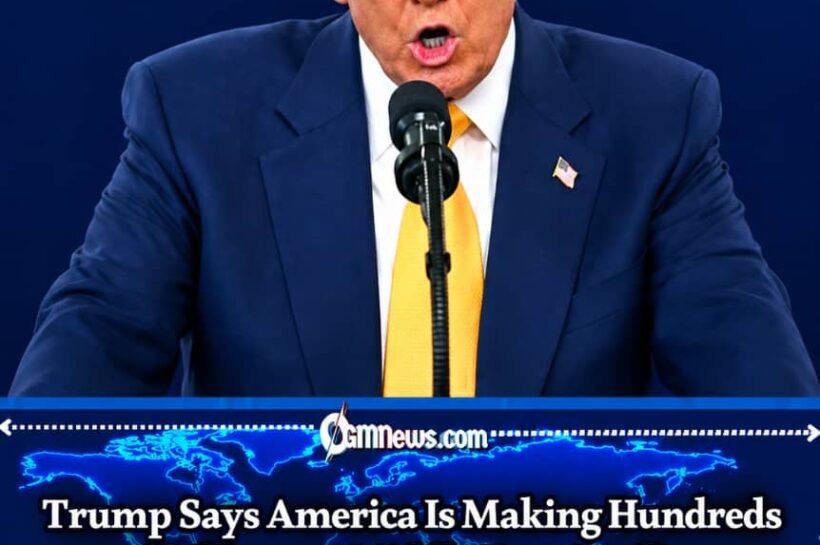




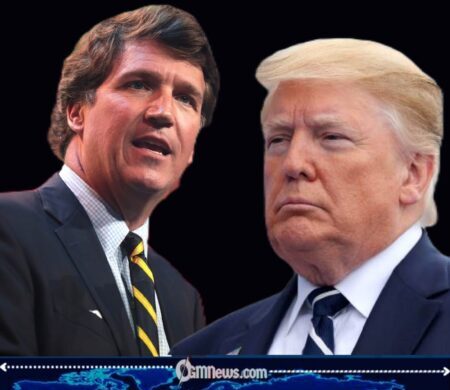
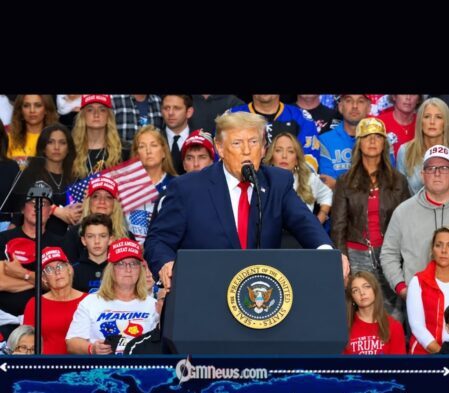
Tucker Carlson has taken center stage in a growing political and media debate after publicly criticizing Donald Trump over a controversial Easter Sunday social media post. Carlson’s pointed response, which questioned the tone and intent of the message, has intensified discussions about political rhetoric, religious sensitivity, and the responsibilities of public figures in shaping national discourse.
Tucker Carlson’s Response Sparks National Attention
Tucker Carlson drew widespread attention after issuing a strong rebuke of President Trump’s Easter message. His remarks, including a direct question challenging the president’s approach, quickly gained traction across media platforms and social networks.
The response marked a notable moment, as Carlson is widely recognized for his influence in political commentary. His decision to openly criticize the president added weight to the unfolding conversation and prompted further scrutiny of the original post.
Details of the Controversial Easter Message
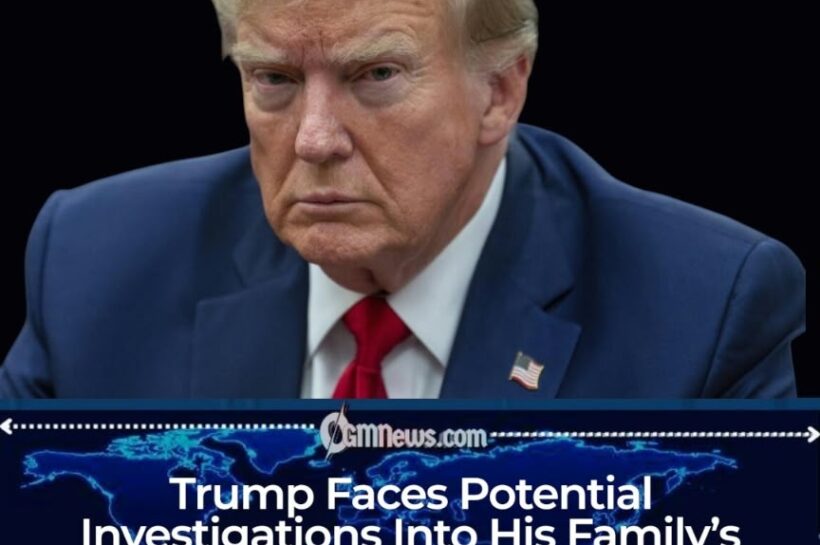
The debate stems from a social media post shared by Donald Trump on Easter Sunday, which drew mixed reactions from the public. Some critics interpreted the message as containing elements that were dismissive or offensive toward Islam, while supporters argued it reflected personal opinion and freedom of expression.
The timing of the post, coinciding with a major Christian holiday, amplified its visibility and impact. As a result, it became a focal point for discussions about tone, context, and the expectations placed on national leaders.
Diverse Reactions Across Political Lines
Reactions to Tucker Carlson’s criticism have been divided. Some observers praised his willingness to challenge the president, viewing it as an example of accountability within public discourse.
Others, however, questioned the necessity or framing of the critique, suggesting that such exchanges could deepen existing political divisions. The differing perspectives highlight the complexity of interpreting and responding to high-profile statements in a polarized environment.
Media Commentary and Public Influence
As a prominent media figure, Tucker Carlson plays a significant role in shaping public opinion. His response to the controversy has been widely covered, further amplifying the discussion and influencing how audiences perceive the issue.
The situation underscores the growing importance of media voices in interpreting political events. Commentators often act as key intermediaries, translating complex issues into narratives that resonate with the public.
Religious Sensitivity in Political Messaging
The incident has also brought renewed attention to the importance of religious sensitivity in political communication. Public statements made during significant religious observances are often expected to reflect respect and inclusivity.
Analysts note that references to different faiths, particularly in a critical or humorous context, can carry significant implications. As such, the debate surrounding the Easter message extends beyond politics into broader considerations of cultural and religious respect.
Implications for Leadership and Communication
The exchange between Tucker Carlson and President Donald Trump highlights ongoing questions about leadership style and communication strategies in the digital era. Social media has enabled direct and immediate engagement but has also increased the likelihood of controversy.
As discussions continue, the episode serves as a reminder of the influence of both political leaders and media commentators in shaping national conversations. The evolving dialogue reflects the challenges of maintaining balance between expression, responsibility, and public expectation in modern governance.
FoSEnYRcnzkCFxcrkTIkEJxP