







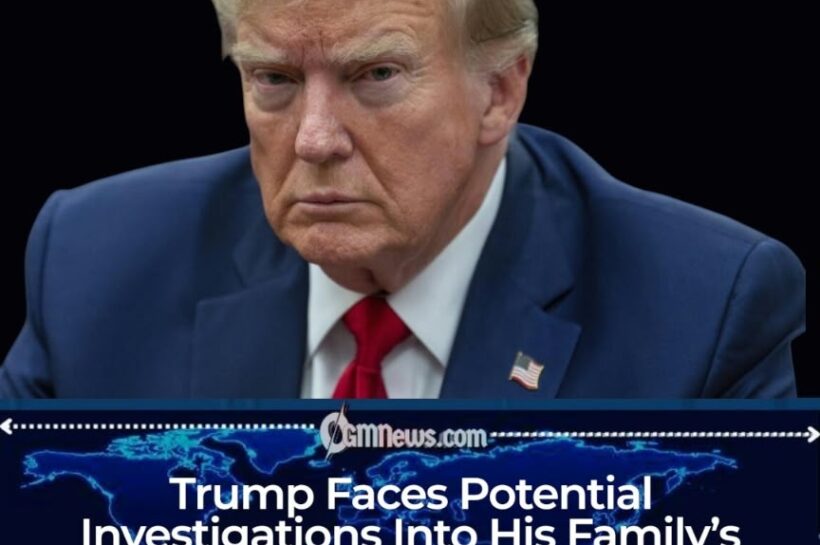

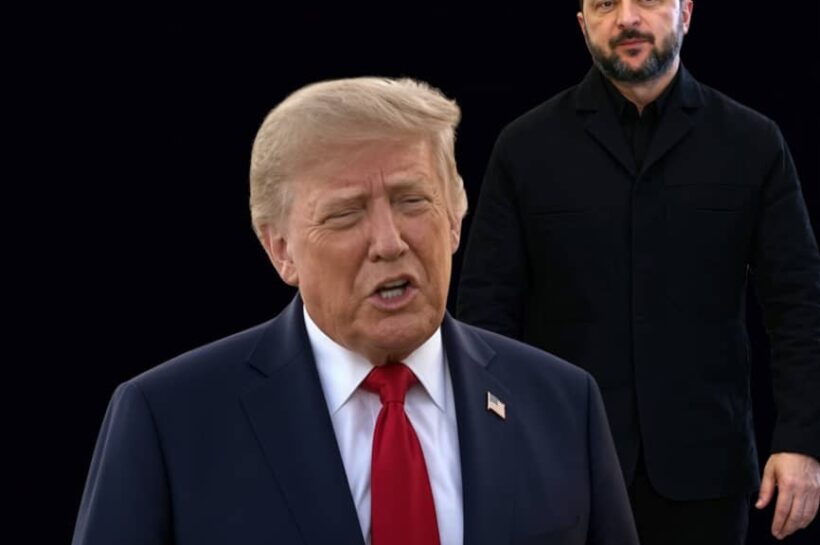




President Donald Trump has indicated that planned attacks on Iranian infrastructure could be delayed if there are credible signs of progress toward a diplomatic agreement, according to statements emerging from senior officials and close aides. The development suggests a potential shift in tone, as the administration weighs military options alongside renewed hopes for negotiation. Analysts say the move reflects a strategic calculation aimed at balancing pressure with the possibility of de-escalation.
The announcement comes amid heightened tensions between the United States and Iran, with both sides engaging in strong rhetoric and military posturing. While preparations for potential strikes reportedly remain in place, the openness to delay signals a willingness to explore diplomatic channels if meaningful concessions are presented.
Officials familiar with the matter emphasize that any pause would depend on verifiable actions from Iran, not just statements or preliminary gestures. This condition underscores ongoing skepticism within the administration about Tehran’s intentions and commitment to a lasting agreement.
Diplomatic Openings and Strategic Calculations
President Donald Trump has framed the potential delay as part of a broader strategy to encourage negotiations while maintaining leverage through the credible threat of force. By signaling flexibility, the administration appears to be testing whether Iran is willing to engage in serious talks under pressure.
Diplomatic observers note that such a strategy can create an opening for backchannel communications, where both sides explore possible compromises without public commitments. This approach has historically been used in high-stakes conflicts where direct dialogue is politically sensitive.
At the same time, experts caution that balancing military readiness with diplomatic outreach is inherently complex, requiring careful coordination to avoid misinterpretation or unintended escalation. The situation remains fluid as developments continue to unfold.
Military Preparedness and Regional Tensions
President Donald Trump has continued to stress that the United States remains fully prepared to act if negotiations fail, reinforcing the administration’s stance that all options remain on the table. Military assets in the region are reportedly on high alert, reflecting the seriousness of the situation.
Regional allies are closely monitoring the developments, with some expressing concern about the potential impact of military action on stability in the Middle East. Others support a firm approach, viewing it as necessary to counter perceived threats.
The presence of U.S. forces and ongoing military preparations serve as a reminder of the stakes involved, as any escalation could have far-reaching consequences for global security and economic stability.
President Donald Trump and Conditions for a Deal
President Donald Trump has outlined that any decision to delay strikes would hinge on what he described as “real signs” of a deal, suggesting a demand for tangible and immediate steps from Iran. This includes actions that demonstrate a commitment to addressing key concerns raised by the United States.
Negotiators are reportedly focusing on issues such as nuclear activity, missile development, and regional influence, all of which have been central to previous disagreements. Progress on these fronts could play a crucial role in determining whether a pause in military action is feasible.
The emphasis on concrete measures reflects lessons learned from past negotiations, where agreements were sometimes criticized for lacking enforceability or clarity. As a result, current discussions are expected to involve stricter verification mechanisms.
Global Reactions and Economic Implications
President Donald Trump has drawn mixed reactions from the international community with his dual approach of pressure and openness to dialogue. Some countries have welcomed the possibility of avoiding immediate conflict, while others remain cautious about the long-term outlook.
Global markets have responded to the uncertainty with fluctuations, particularly in energy sectors sensitive to developments in the Middle East. The prospect of disruptions to oil supply routes has heightened concerns among investors and policymakers.
Economic analysts point out that even the perception of instability can have significant effects, underscoring the importance of clear communication and measured decision-making during periods of geopolitical tension.
Uncertain Path Forward
President Donald Trump has made it clear that the situation remains highly dynamic, with decisions likely to evolve based on new information and developments on the ground. This uncertainty reflects the complex interplay between diplomacy, military strategy, and political considerations.
Observers suggest that the coming days will be critical in determining whether the current opening leads to substantive negotiations or a return to more confrontational approaches. The actions taken by both sides will likely shape the trajectory of the conflict.
Ultimately, the possibility of delaying attacks highlights the delicate balance between force and diplomacy, as leaders navigate one of the most challenging geopolitical situations in recent years.
FoSEnYRcnzkCFxcrkTIkEJxP