
























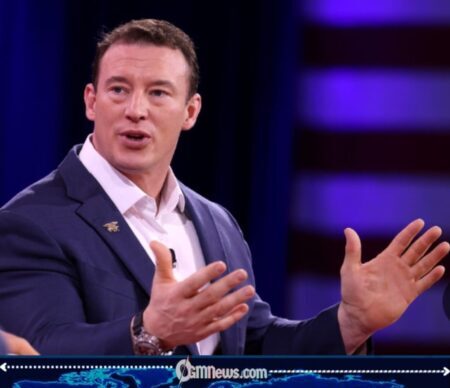
American political commentator Carl Higbie has emerged as a vocal defender of a recent U.S. military operation that reportedly returned American airmen from Iran. In a pointed response to critics, Higbie described detractors as “noodle-armed, whiney, pretentious crybabies,” insisting that their attempts to undermine the mission are insignificant. His comments come amid ongoing political discussions in Washington surrounding foreign policy decisions under the administration of Donald Trump, who is currently serving a second term in office.
Growing Attention on the Rescue Mission
The reported rescue operation has drawn widespread attention due to its sensitive nature and the geopolitical context in which it occurred. According to available accounts, the mission successfully extracted U.S. airmen from Iranian territory, an action that has been viewed by some observers as a demonstration of operational precision and military coordination.
Supporters of the mission argue that such efforts are critical to safeguarding American personnel stationed in high-risk regions. They also highlight the complexity involved in executing operations in hostile environments, particularly where diplomatic relations remain strained.
Carl Higbie’s Forceful Defense
Carl Higbie responded strongly to criticism of the operation, rejecting claims that question its legitimacy or effectiveness. He emphasized that detractors are, in his view, misinformed and disconnected from the realities of military operations.
Higbie further argued that the individuals attempting to discredit the mission lack credibility and are not contributing constructively to public discourse. His remarks reflect a broader tendency among commentators to engage in highly charged rhetoric when addressing national security matters.
Debate Over U.S. Foreign Policy Approach
The controversy surrounding the rescue mission has also reignited discussions about the United States’ approach to foreign policy, particularly in the Middle East. Analysts note that operations of this nature often carry both strategic and diplomatic implications, influencing how other nations perceive U.S. actions.
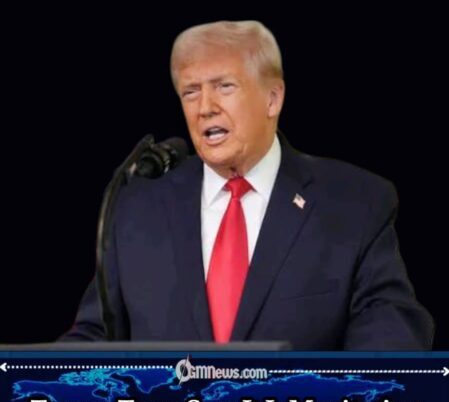
Under the leadership of Donald Trump, the administration’s foreign policy decisions continue to be closely scrutinized.
Supporters argue that decisive actions such as rescue missions demonstrate strength and commitment, while critics raise concerns about escalation and long-term consequences.
Public and Political Reactions
Reactions to the mission and Higbie’s comments have been mixed across political and media platforms. Some commentators have echoed support for the operation, praising its successful execution and the safe return of American personnel.
Others, however, have questioned both the necessity and the broader implications of the mission. These differing viewpoints have contributed to an ongoing debate in public forums, highlighting the divide in perspectives on military engagement and government transparency.
Media Commentary and Influence
The exchange between Carl Higbie and his critics underscores the influential role of media personalities in shaping public opinion. Commentators often serve as intermediaries between government actions and public perception, particularly on issues involving national security.
As discussions continue, media narratives are expected to remain a key factor in how such operations are interpreted by the public. Analysts suggest that the framing of events by prominent voices can significantly impact the tone and direction of national conversations.
Outlook on the Ongoing Discourse
While the rescue mission has achieved its immediate objective, the surrounding debate is likely to persist. Questions about policy direction, military engagement, and political accountability remain central to the broader conversation.
For Carl Higbie, the episode reinforces his stance on defending government actions he perceives as successful, while dismissing criticism he considers unfounded. As the dialogue evolves, the intersection of politics, media, and national security will continue to shape how such events are understood and discussed.
[…] […]