


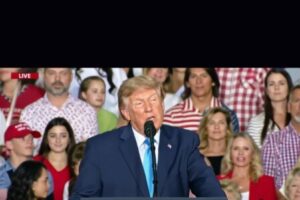
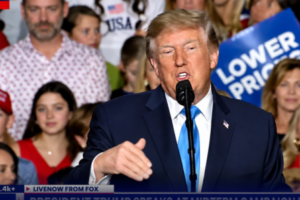
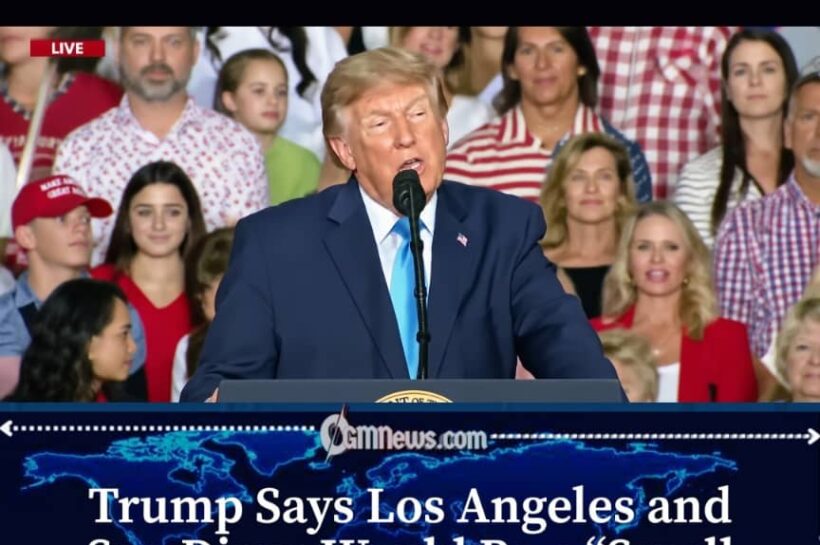
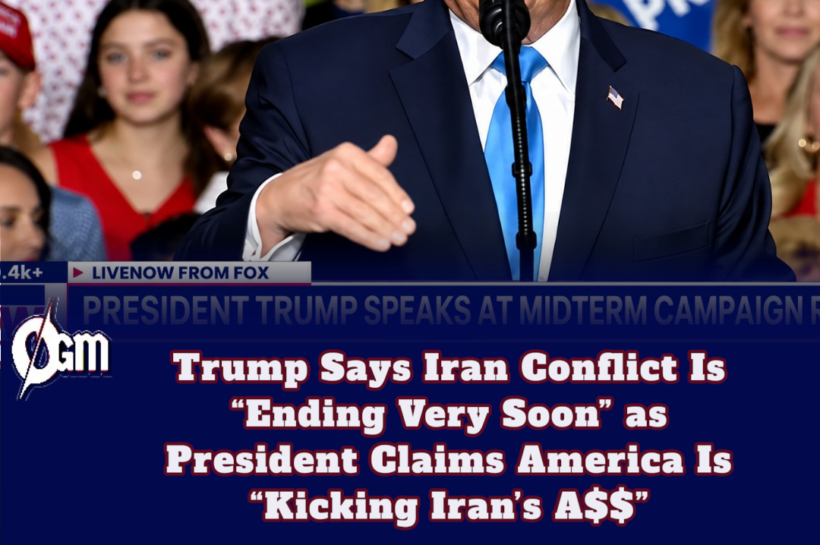

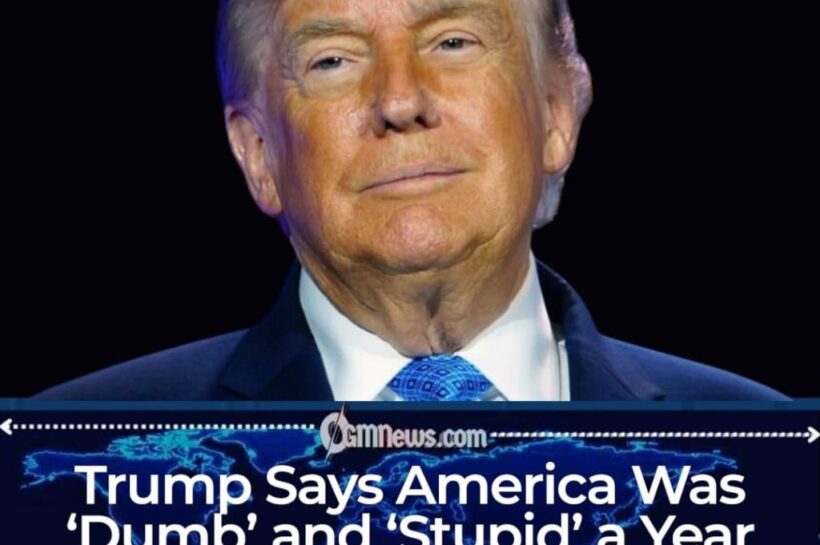



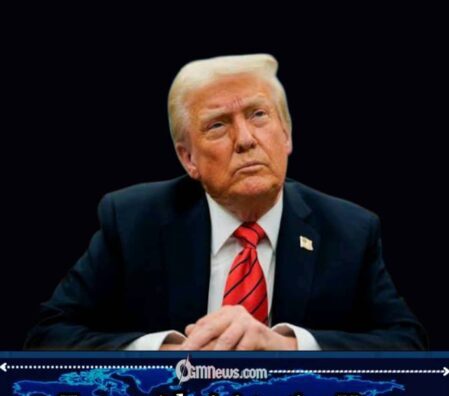
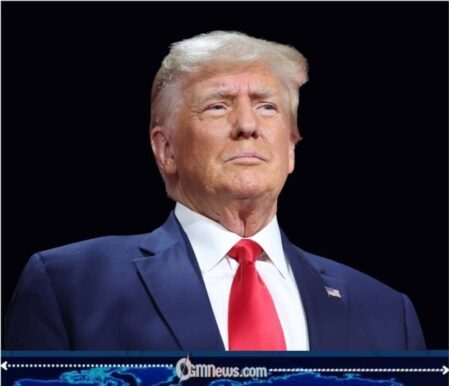
Taxpayer Money is at the center of a growing controversy after reports revealed that funds associated with U.S. Customs and Border Protection were used to finance television advertisements featuring President Donald Trump ahead of the 2026 midterm elections.
ABC News reported that money was moved into a CBP account designated for “commemorative events” on September 19, before federal contract records showed a $20 million contract awarded the following day to Maryland-based LMD Agency for a “National Media Campaign.” At least $1.7 million has subsequently been spent airing three Trump-focused television advertisements, according to AdImpact estimates.
From Border Funds to National Television
Taxpayer Money was reportedly made available to the Department of Homeland Security through Trump’s 2025 tax-and-spending legislation. The law included billions for border-security-related activities, including funding for commemorative efforts and events connected to border security. The funds were subsequently moved into a CBP account before the advertising contract was awarded.
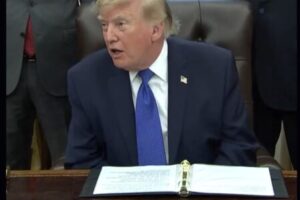
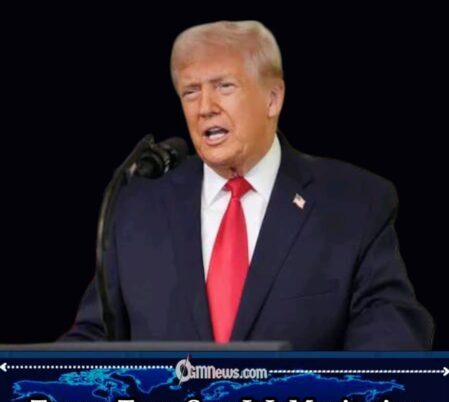
The advertisements have featured Trump prominently and promoted themes closely associated with his political messaging. One spot uses imagery and language similar to a 2024 Trump campaign advertisement, including references to a “final battle” against globalists and warmongers. Another features Mount Rushmore and Trump’s remarks about America’s “golden age.” All three spots carry the disclosure, “Paid for by the U.S. Government.”
Public-Service Announcement or Political Advertising?
The White House says the advertisements are public-service announcements, not campaign commercials. Its defense is that Trump is not personally on the 2026 ballot and that the spots contain no explicit instruction for viewers to vote for him or another candidate. The administration has also cited government-funded public-service campaigns under previous presidents as precedent.
Critics and legal experts have challenged that explanation. FactCheck.org reported that some experts believe the advertisements could violate federal restrictions on using appropriated money for political propaganda, particularly because of the spots’ partisan language and their timing shortly before the midterms. Reuters also reported complaints from ethics experts, lawmakers and watchdog groups over the advertisements.
The controversy is especially notable because one of the advertisements closely resembles a previous Trump campaign commercial. The difference is that the newer version replaces the campaign sponsorship language with “Paid for by the U.S. Government.”
The administration’s use of CBP-related funds also raises a broader question about the appropriate boundary between government communication and political messaging. Government agencies routinely purchase television advertising for public-information campaigns, but federal law places restrictions on the use of appropriated funds for partisan publicity and propaganda.
The dispute is now moving beyond political criticism. Democratic lawmakers have demanded answers from DHS Secretary Markwayne Mullin, while some Republicans have also expressed concerns about the advertisements. A Republican senator blocked a Senate resolution criticizing the use of federal funds for the spots, demonstrating that the issue has already become part of the wider partisan battle over government spending and the approaching midterms.
The White House maintains that the advertisements are patriotic public-service announcements. Critics argue that their content, production and timing make them look much more like political promotion. The factual question of who paid for the ads is becoming clearer: reporting and federal records point to DHS funding routed through CBP. The unresolved question is whether that use of public money complies with federal law.
[…] […]