


























As the ongoing war in Iran threatens to shape both foreign policy outcomes and domestic political calculations, President Donald Trump—currently serving his second term—faces mounting pressure on multiple fronts. Beyond the immediate military and diplomatic challenges, the conflict is increasingly influencing the political futures of two of his most prominent allies: Vice President JD Vance and Secretary of State Marco Rubio.
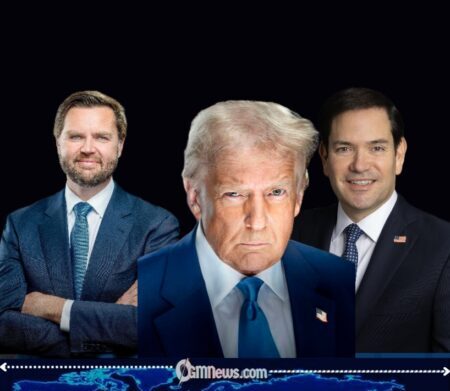
The war’s trajectory has not only raised questions about the Trump administration’s strategic direction but has also intensified speculation about leadership within the Republican Party ahead of the 2028 presidential election. With term limits preventing Trump from seeking another term, attention has shifted toward potential successors, with the president himself reportedly framing the choice in simple terms: “JD or Marco?”
Escalating Conflict and Strategic Objectives
The conflict in Iran, now in its fifth week, has become a defining test of the administration’s foreign policy. U.S. objectives include compelling Iran to dismantle its nuclear and ballistic missile programs while ensuring the uninterrupted flow of oil through the strategically vital Strait of Hormuz.
Senior administration officials, including Vance and Rubio, have been directly involved in ongoing diplomatic and strategic efforts. Their participation underscores the high stakes of the mission, as both men play visible roles in shaping the Trump administration’s response to a rapidly evolving geopolitical crisis.
However, the situation remains fluid, with no clear resolution in sight. The duration and outcome of the conflict are expected to have far-reaching implications not only for regional stability but also for the political capital of those most closely associated with the decision-making process.
Diverging Approaches Within the Administration
Despite their shared allegiance to the president, Vance and Rubio have adopted notably different approaches to the Iran conflict. Vice President Vance has maintained a cautious stance, reflecting skepticism about prolonged U.S. military involvement abroad. His position resonates with segments of the Republican base that favor restraint and prioritize domestic concerns.
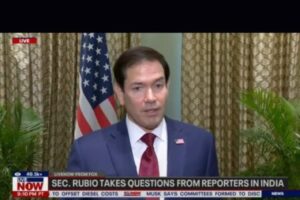
In contrast, Rubio has aligned himself firmly with Trump’s more assertive posture. As both Secretary of State and national security adviser, he has emerged as a leading advocate for the Trump administration’s strategy, publicly defending the campaign and emphasizing the importance of achieving decisive outcomes.
These differing perspectives highlight an underlying ideological divide within the party—between interventionist and non-interventionist tendencies—that could shape future policy debates well beyond the current crisis.
Political Stakes for the 2028 Election
With the next presidential election scheduled for 2028, the Iran conflict is increasingly seen as a proving ground for potential successors. Analysts suggest that the war’s outcome could significantly influence the political trajectories of both Vance and Rubio.
A swift and favorable resolution for the United States could enhance Rubio’s standing, positioning him as a capable leader during a time of international crisis. His close alignment with the administration’s strategy may be viewed as a strength if the approach yields tangible results.
Conversely, a prolonged or unpopular conflict could benefit Vance. His cautious approach may allow him to appeal to voters who are wary of extended military engagements, reinforcing his image as a voice of restraint within the Trump administration.
Impact on Trump’s Approval and Legacy
The political implications extend beyond potential successors to President Trump himself. Recent polling indicates a decline in his approval rating, which has fallen to 36 percent—its lowest level since the start of his second term. Rising fuel prices and public dissatisfaction with the Iran war have contributed to the downturn.
The president’s legacy, particularly in the realm of foreign policy, may ultimately hinge on the outcome of the conflict. A successful resolution could reinforce his image as a decisive leader, while a drawn-out or costly engagement may invite criticism and reshape public perceptions of his administration.
As a result, the stakes are both immediate and long-term, affecting not only the current political climate but also the historical evaluation of Trump’s presidency.
Signals from the White House and Party Dynamics
Within Republican circles, there is growing interest in interpreting the president Trump signals regarding a potential successor. Some party insiders suggest that Trump’s interactions and public demeanor may indicate a preference for Rubio, though such assessments remain speculative.
Observers have pointed to subtle cues, including body language and public appearances, as potential indicators of favor. However, these interpretations are far from conclusive, and the president Trump is known for keeping advisers uncertain about his long-term intentions.
The uncertainty has contributed to a sense of anticipation within the party, as key figures position themselves for a post-Trump political landscape.
Official Response to Succession Speculation
The White House has firmly rejected claims that the president is signaling a preference between Vance and Rubio. Officials have characterized such speculation as unfounded and emphasized the administration’s focus on addressing pressing national and international challenges.
A spokesperson for the Trump administration stated that media narratives surrounding a potential rivalry are distractions from the government’s broader mission. According to the White House, both Vance and Rubio remain integral to the Trump administration’s efforts and are working collaboratively toward shared objectives.
This response reflects an attempt to project unity within the Trump administration, even as external observers continue to analyze the political implications of the unfolding situation.
A Defining Moment for Policy and Politics
As the Iran conflict continues, its impact is being felt across multiple dimensions of American governance. From military strategy to political succession, the stakes are unusually high for both the present administration and the future of the Republican Party.
The question of “JD or Marco?” encapsulates a broader moment of transition, as the party begins to look beyond Trump’s presidency. Ultimately, the resolution of the conflict may not only determine immediate policy outcomes but also shape the leadership and direction of the party for years to come.
The weekly tournaments here keep me coming back because the prize pools are surprisingly generous....