

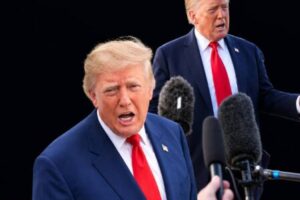




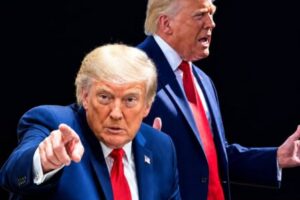

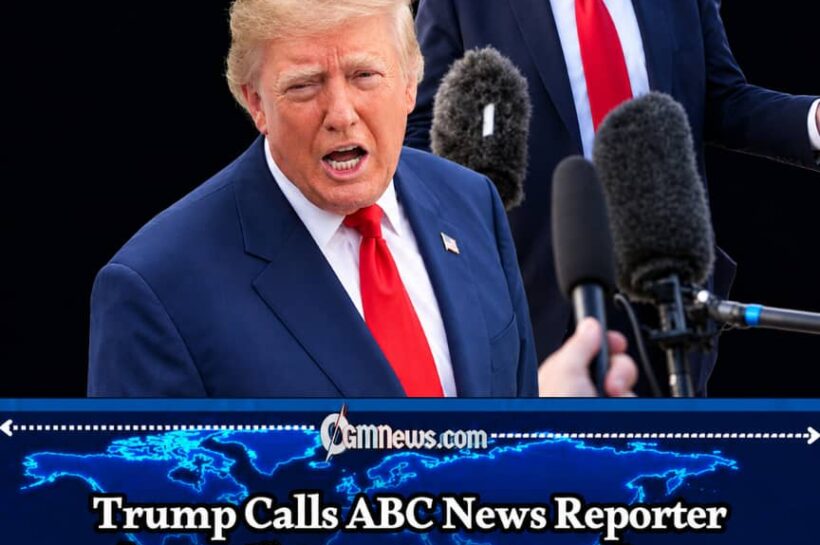
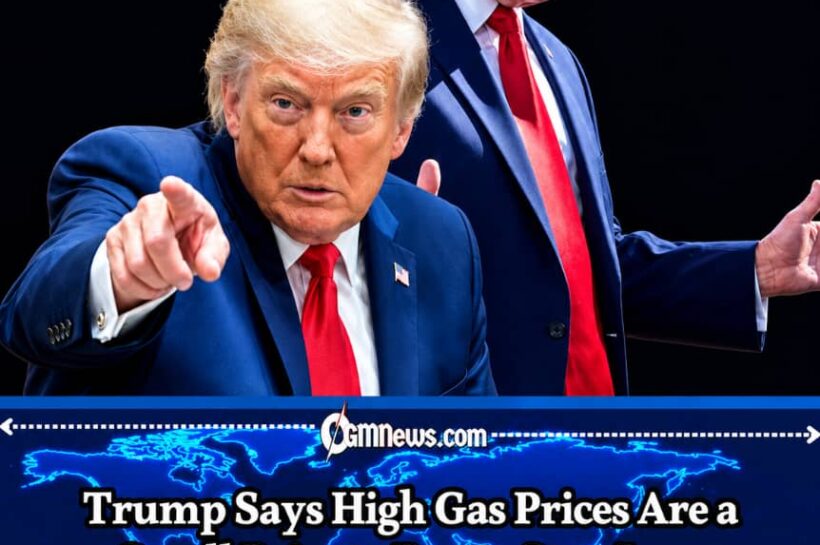
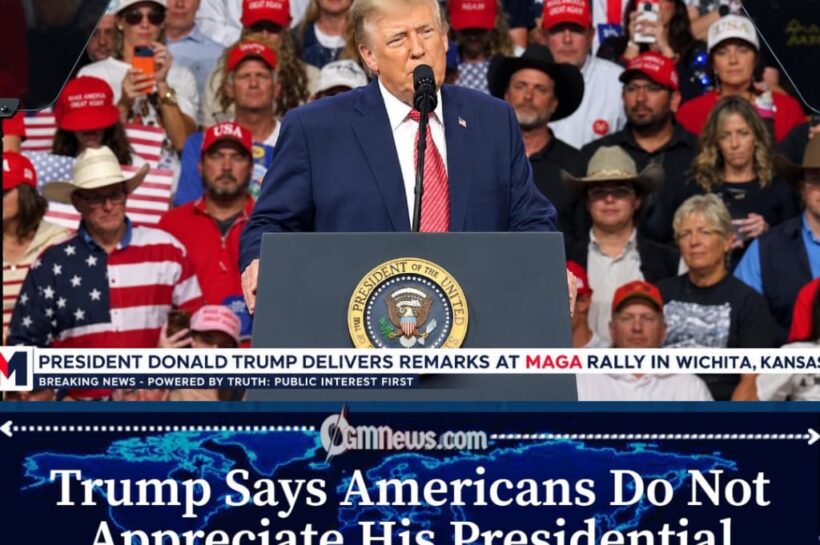




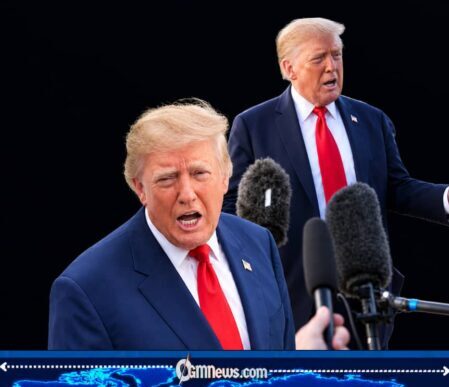
President Donald Trump, stated that he has no issue with Russian oil entering Cuba, a remark that has quickly drawn attention from policymakers and international observers. His comments suggest a potentially flexible stance on a matter that has historically been sensitive in U.S. foreign policy.
The statement comes amid evolving global energy dynamics, where supply routes and alliances are increasingly fluid. Observers note that such a position could signal a shift in how energy transactions involving geopolitical rivals are approached.
Critics and supporters alike are now examining what this could mean for longstanding U.S. policies toward both Russia and Cuba. The implications may extend beyond energy into broader diplomatic relations.
Historical Context of US-Cuba Relations
President Donald Trump, has previously taken a firm stance on Cuba, particularly regarding economic restrictions and diplomatic engagement. His latest remarks appear to contrast with earlier policies that emphasized pressure and isolation.
The United States and Cuba have shared a complex and often tense relationship for decades, shaped by ideological differences and geopolitical rivalry. Energy trade has been one of many areas influenced by this dynamic.
Changes in tone or policy can carry significant weight, as even small shifts may affect diplomatic negotiations and regional stability. Analysts are closely watching for any concrete actions that follow these remarks.
President Donald Trump and Energy Diplomacy
President Donald Trump, framed his position as pragmatic, suggesting that global energy flows should not necessarily be constrained by political rivalries. His perspective reflects a broader debate about the role of energy in international relations.
Energy diplomacy often involves balancing economic interests with strategic considerations. Allowing or accepting certain transactions can have ripple effects across alliances and markets.
The statement also raises questions about how the United States might engage with both Russia and Cuba moving forward, particularly in areas where interests intersect.
Reactions from Political and Global Leaders
President Donald Trump, has prompted varied reactions from lawmakers and international figures. Some view the stance as a realistic acknowledgment of global energy realities, while others see it as a departure from established policy.
Within the United States, opinions are divided along political and strategic lines. Some policymakers argue for maintaining strict controls, while others advocate for more flexible approaches.
Internationally, the remark has been noted by both allies and adversaries, each interpreting its significance through their own geopolitical lenses.
Economic and Strategic Implications
President Donald Trump, may be signaling a willingness to prioritize economic considerations in certain aspects of foreign policy. Energy trade, after all, is a critical component of global economic stability.
Allowing Russian oil to flow into Cuba without objection could influence regional markets and alter existing trade patterns. It may also affect how other nations approach similar transactions.
Strategically, such a stance could open new avenues for dialogue or, conversely, create tensions depending on how it is implemented and perceived.
What Lies Ahead
President Donald Trump, has not outlined specific policy changes following his remarks, leaving room for interpretation and speculation. Observers are awaiting further clarification from officials and agencies.
Future developments will likely depend on how this position is translated into action, if at all. Diplomatic signals often evolve into concrete policies only after careful consideration and negotiation.
The situation underscores the complexity of modern geopolitics, where energy, diplomacy, and strategy are deeply interconnected. As discussions continue, the global community will be watching closely to see how this stance shapes future relations.

Logging in is a breeze and the site stability is amazing even during peak hours....