




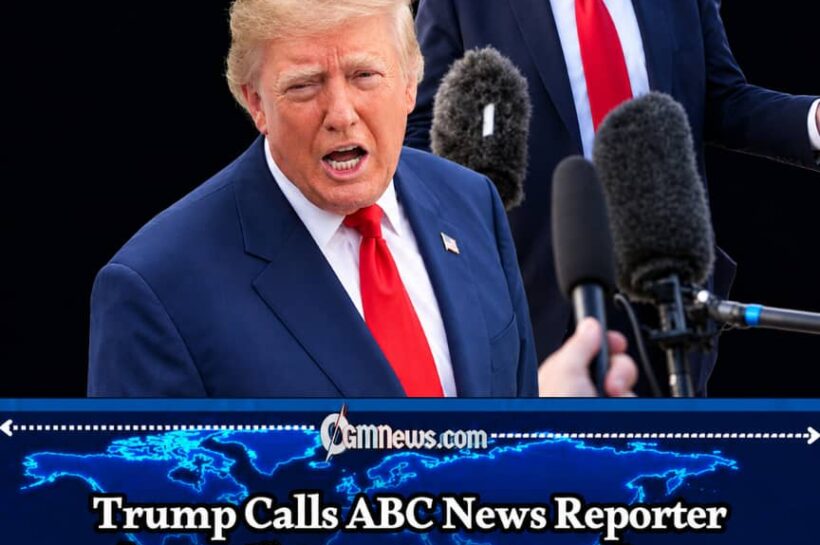





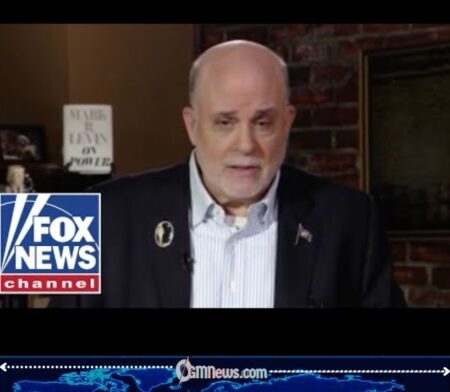
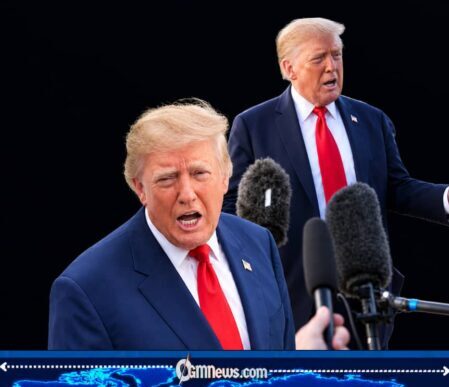
A late-night broadcast on Fox News has drawn national and international attention after the current U.S. president, Donald Trump, urged Americans to tune in to a programme discussing the possibility of a U.S. military incursion into Iran. The call, issued via his Truth Social platform just hours before the show aired, highlighted what he described as the “importance of hitting Iran, HARD,” setting the tone for a segment that would quickly stir debate across political and diplomatic circles.
The broadcast, hosted by Mark Levin on Fox News, featured arguments suggesting that securing Iran’s enriched uranium stockpiles could justify direct U.S. military involvement. The remarks come as tensions in the Middle East escalate, with the ongoing U.S.-Israel conflict with Iran entering its fourth week.
A Case for Military Action in Iran: “We’ve Got to Get the Uranium”
During the broadcast, Levin argued that there are “a lot of reasons” for deploying American troops into Iran, but emphasized that the primary objective would be to secure enriched uranium. He suggested that if such material could not be destroyed or neutralised through other means, it must be physically seized.
The framing of uranium as the central strategic concern reflects long-standing international anxieties over nuclear proliferation. Iran’s nuclear programme has been the subject of intense scrutiny for years, with Western governments expressing fears that enriched uranium could be diverted for weapons development. However, calls for direct military intervention represent a significant escalation beyond diplomatic or economic measures.
Rising Military Presence in the Middle East
The broadcast coincided with reports that thousands of additional U.S. troops had been deployed to the Middle East, reinforcing American positions as the regional conflict intensifies. Military analysts suggest that such movements signal preparedness for a range of contingencies, from defensive operations to potential offensive engagements.
The growing troop presence underscores the seriousness of the current situation. While officials have not confirmed any immediate plans for a ground invasion, the alignment of political messaging and military positioning has fueled speculation about possible next steps in U.S. strategy toward Iran.
Strategic Justifications Versus Historical Precedents
Supporters of a tougher stance argue that preventing nuclear escalation is a critical national security priority. They contend that decisive action now could avert greater risks in the future, particularly if diplomatic efforts fail to curb Iran’s nuclear ambitions.
However, critics point to historical precedents, notably past U.S. interventions in the Middle East, which have often resulted in prolonged conflicts and unintended consequences. Analysts warn that a ground incursion into Iran—a nation with significant military capacity and regional influence—could trigger a wider conflict with unpredictable outcomes.
Economic Concerns and Domestic Impact
Beyond military considerations, the potential economic fallout of an invasion looms large. Previous conflicts have contributed to spikes in global oil prices, supply chain disruptions, and increased government spending, all of which can feed into inflation.
For many Americans, inflation has already eroded purchasing power in recent years. Economists caution that another major conflict could exacerbate these pressures, affecting everything from fuel costs to household goods. The domestic economic implications are therefore central to the broader debate over military action.
Global Repercussions and Diplomatic Risks
An American incursion into Iran would likely have far-reaching international consequences. Allies and adversaries alike would be forced to reassess their positions, potentially reshaping global alliances and escalating geopolitical tensions.
Diplomatic experts warn that such a move could undermine ongoing negotiations and provoke retaliatory actions, not only from Iran but also from aligned groups across the region. The risk of a broader regional war remains a key concern among policymakers and international observers.
Media Influence and Public Opinion
The role of media in shaping public discourse has also come under scrutiny. The timing of the president’s call to watch the Fox News programme highlights how political leaders can amplify specific narratives through aligned media platforms.
Public reaction has been mixed, with some viewers supporting a strong stance against Iran, while others express चिंता over the potential human and economic costs of war. As debates unfold, media coverage is expected to play a significant role in influencing public opinion and, potentially, policy direction.

Logging in is a breeze and the site stability is amazing even during peak hours....