





























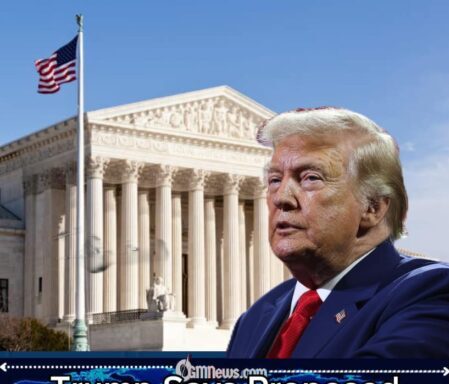
In a development that has reportedly elevated interior decoration to a matter of constitutional urgency, current President Donald J. Trump has asked the U.S. Supreme Court to allow construction of a proposed White House ballroom to continue, arguing that the project is essential for national security and the architectural dignity of the presidency. According to the claim, the ballroom is not merely a venue for banquets and diplomatic receptions, but a strategic asset capable of projecting American strength through polished marble, towering columns, and lighting fixtures that can allegedly intimidate hostile nations from several time zones away.
Ballroom Becomes the New National Security Frontier
The legal appeal comes amid continuing scrutiny of White House renovation and expansion plans, with congressional Democrats seeking audits and oversight of spending connected to East Wing and ballroom-related projects. Public records and recent reporting indicate that the administration has been pursuing substantial construction and renovation efforts within the White House complex, making the proposed ballroom one of the most closely watched building projects in Washington.
Administration officials insist that the ballroom is vital infrastructure for hosting foreign leaders, ceremonial events, and high-level diplomatic gatherings. In the satirical interpretation embraced by political observers, aides are said to have warned that without a sufficiently majestic ballroom, America could be forced to negotiate major international agreements in rooms containing ordinary curtains and dangerously modest chandeliers.
Justices Asked to Defend Architectural Greatness
The Supreme Court is now being asked to weigh a dispute that appears to blend executive authority, federal construction oversight, and presidential aesthetics into a single legal package. Supporters of the project argue that presidents must have flexibility to modernize the White House for security and diplomatic purposes, while critics question whether a grand ballroom should be treated with the same urgency as military readiness or emergency preparedness.
Justices Asked to Defend Architectural Greatness
The Supreme Court is now being asked to weigh a dispute that appears to blend executive authority, federal construction oversight, and presidential aesthetics into a single legal package. Supporters of the project argue that presidents must have flexibility to modernize the White House for security and diplomatic purposes, while critics question whether a grand ballroom should be treated with the same urgency as military readiness or emergency preparedness.
In Washington’s increasingly theatrical political climate, analysts joked that constitutional law schools may soon add a new course titled “Ballroom Jurisprudence: Separation of Powers and Decorative Ceiling Height.” Tourists outside the White House reportedly began staring at the building with renewed respect, wondering whether they were witnessing the future headquarters of American diplomacy or simply the most expensive wedding venue application in federal history.
Whether the Supreme Court ultimately allows construction of the ballroom to proceed or not, the dispute has become another unusual chapter in the legal and political battles surrounding the Trump administration. OGM News will continue monitoring court filings, congressional reactions, and White House developments as the story unfolds.



mjpKyJqtopJmUkjsHEeNp