








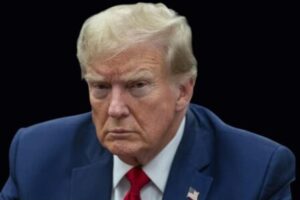





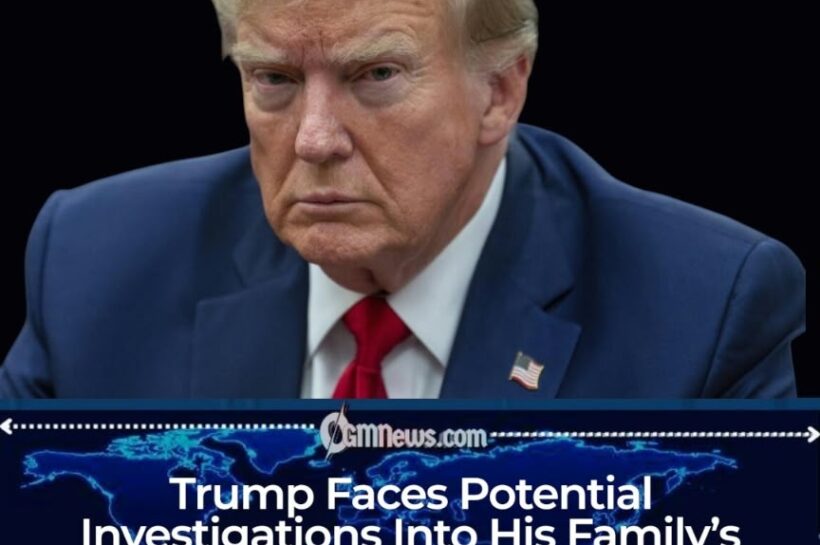






The current U.S. president serving a second term, Donald Trump, has defended the escalating military campaign against Iran, declaring that American forces are carrying out operations “nobody ever thought was possible.” Speaking about the ongoing conflict, Trump praised the strength of the United States Armed Forces, describing them as the most powerful military in the world and saying they are “hitting them very hard.”
Trump framed the campaign as a response to decades of hostility between Washington and Tehran. Referring to the nearly half-century of tensions following the Iranian Revolution, he said the United States was confronting what he described as “47 years of abuse” directed at Americans and U.S. allies in the Middle East.
The remarks come as military operations continue across the region, raising questions about the scope of the conflict, the strategic objectives of Washington, and the potential consequences for global security.
Military Campaign Targets Iranian Missile and Naval Capabilities
According to reporting from international outlets including Reuters and Axios, U.S. operations have focused heavily on degrading Iran’s missile and drone infrastructure. Airstrikes and naval operations have targeted launch platforms, weapons depots, and military production facilities believed to support Iran’s regional military activities.
American forces have also reportedly targeted Iranian naval assets in the Strait of Hormuz, a strategically vital waterway through which a significant portion of the world’s oil supply passes. U.S. officials say these operations are intended to prevent Iran from laying in naval mines or disrupting global shipping routes.
Trump has said the strikes have significantly weakened Iran’s military capabilities, suggesting that key infrastructure used to launch missiles and drones has been heavily damaged.
Casualties and Risks of Escalation
Despite claims of progress from Washington, the conflict has carried considerable human and strategic costs. Reporting from The Washington Post indicates that dozens of U.S. troops have been wounded during Iranian missile and drone attacks targeting American installations in the region.
Military officials say several bases housing American personnel in the Middle East have faced repeated strikes from Iranian-linked forces. The Pentagon has stated that many of these attacks were intercepted by missile defense systems, though some caused injuries and infrastructure damage.
At the same time, Iran has accused the United States of inflicting significant civilian casualties through airstrikes. Humanitarian groups warn that continued escalation could lead to wider instability across the region.
Strategic Objectives of the Trump Administration
Officials in the Trump administration argue that the military campaign is intended to neutralize Iran’s ability to threaten U.S. forces and allies. According to American defense officials cited by The Guardian, the strategy focuses on destroying missile launchers, drone facilities, and military supply networks.
The White House has also emphasized that the goal is deterrence rather than territorial conflict. Trump and his advisers have repeatedly said the objective is to force Iran to reconsider its regional military posture.
However, analysts note that Washington’s messaging about the broader goals of the campaign has evolved over time, ranging from limiting Iran’s military capabilities to pressuring Tehran’s leadership.
International Concerns Over Regional Stability
The intensifying conflict has raised concerns among governments and international organizations about the possibility of a broader regional war. European leaders and Middle Eastern states have urged restraint, warning that continued escalation could disrupt global energy supplies and trigger wider instability.
The Strait of Hormuz remains a particular point of concern. Any prolonged disruption in the waterway could have major consequences for international oil markets, given that a substantial portion of the world’s crude exports pass through the corridor.
Diplomatic efforts aimed at preventing further escalation continue behind the scenes, with several countries attempting to mediate between Washington and Tehran.
Historical Roots of U.S.–Iran Hostility
The tensions referenced by Trump in his remarks trace back to the 1979 Iranian Revolution, which transformed Iran’s political system and fundamentally reshaped its relationship with the United States. Since then, the two countries have experienced decades of hostility marked by sanctions, proxy conflicts, and periodic military confrontations.
Over the years, disputes have included disagreements over nuclear development, regional influence, and security in the Persian Gulf. These longstanding issues continue to influence the current conflict.
As military operations continue, analysts say the historical rivalry between the United States and Iran will remain a critical factor in determining whether the confrontation escalates further or eventually gives way to renewed diplomacy.

FoSEnYRcnzkCFxcrkTIkEJxP