

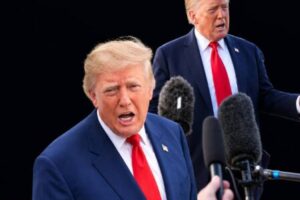




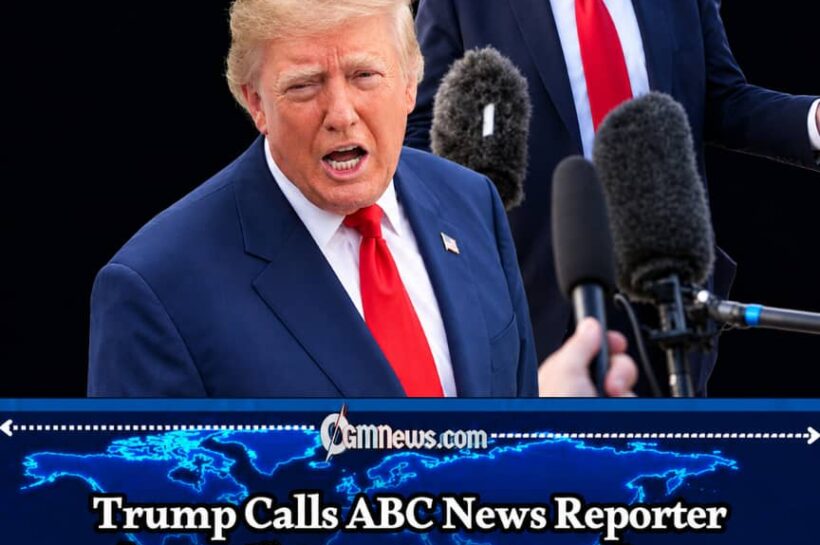

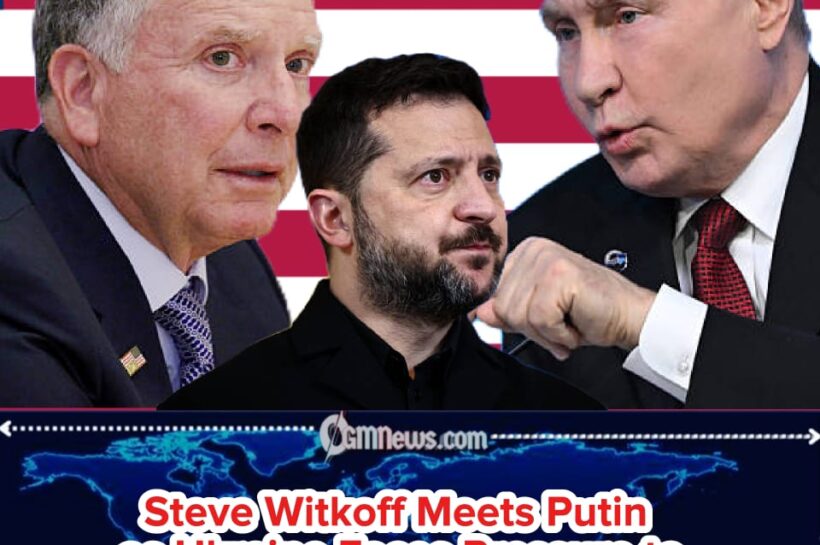
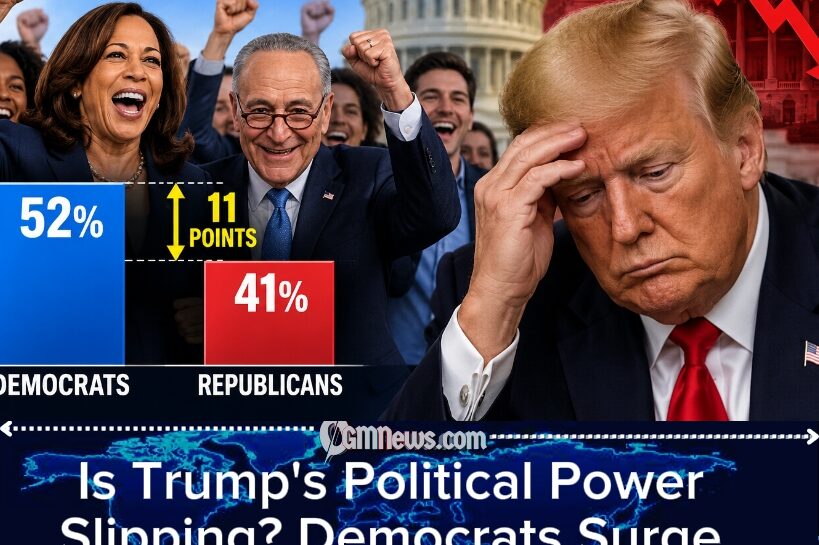
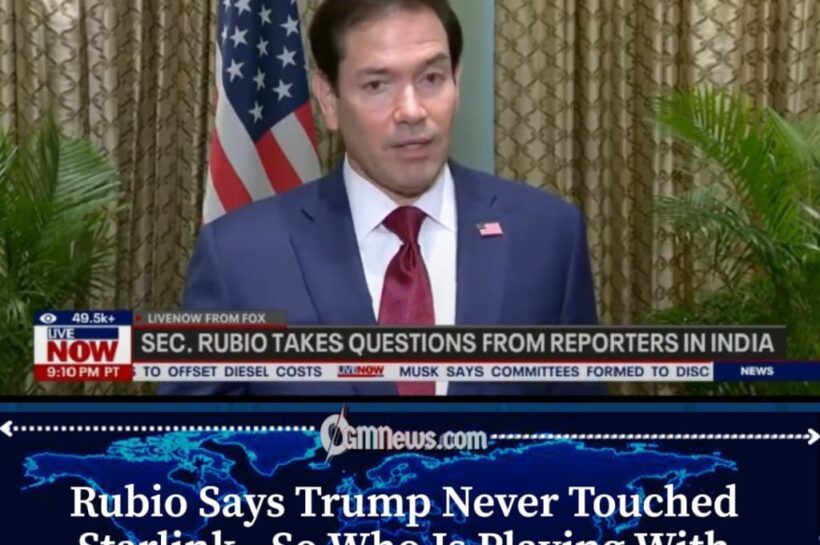
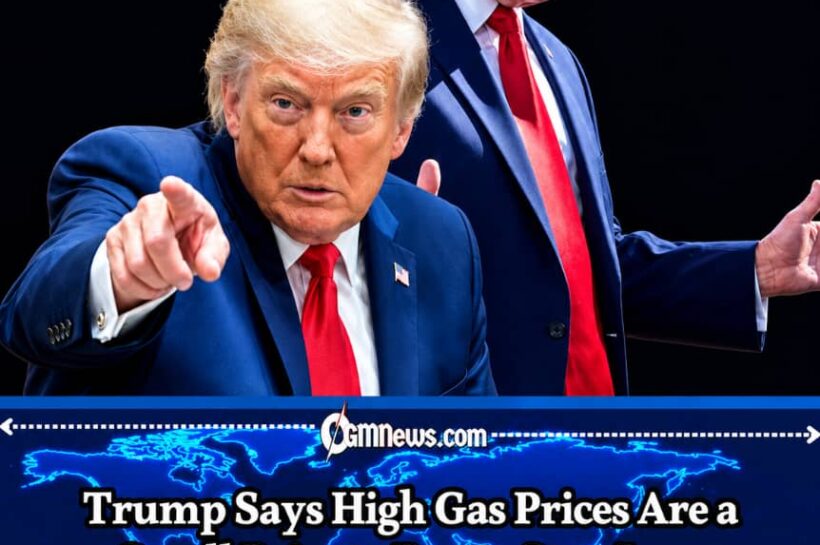
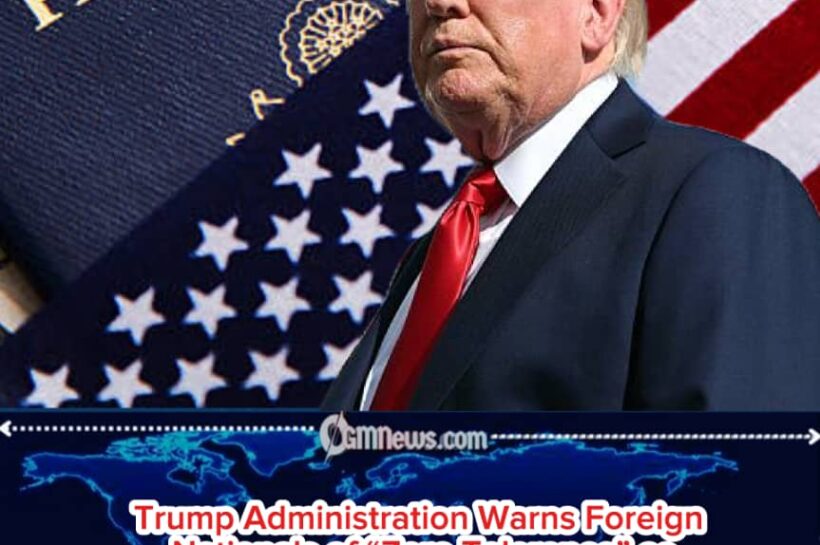
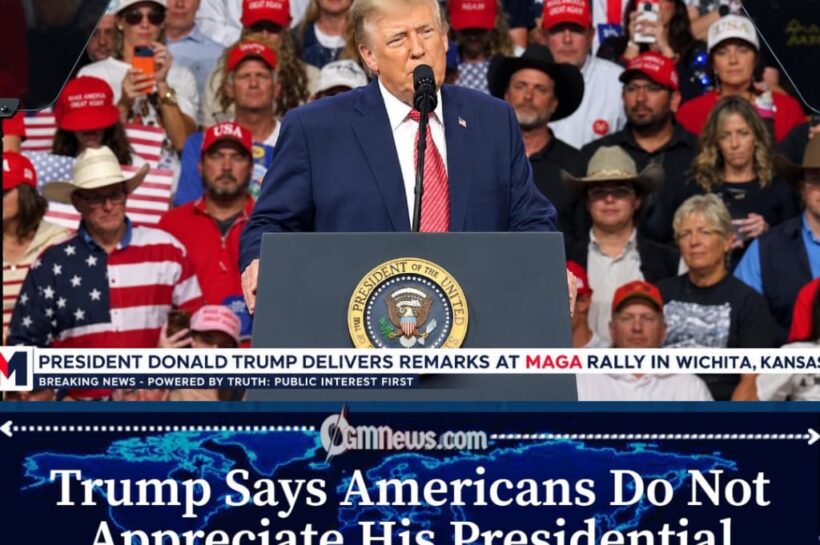




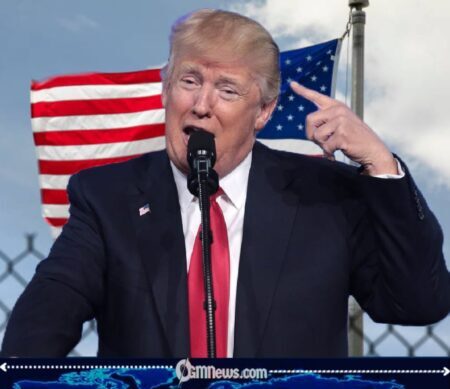
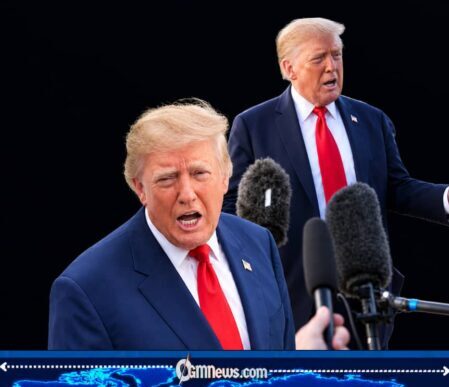
Trump has thrown global diplomacy into another tense debate after declaring that the United States no longer depends on the strategic Strait currently sitting at the center of Middle East security concerns. Speaking during discussions surrounding regional tensions and maritime operations, President Donald Trump argued that America had mainly protected the route to support allies such as Israel and Saudi Arabia rather than for its own economic survival. The statement immediately generated intense reactions across diplomatic circles, energy markets, and international security communities already watching the region closely.
Trump’s comments arrive as concerns continue growing over instability involving Iran, Gulf shipping routes, and military operations surrounding the Strait of Hormuz, one of the world’s most important oil transit corridors. International analysts continue warning that nearly one-fifth of global oil supplies pass through the route, making any political uncertainty capable of affecting fuel prices and trade markets across multiple continents. Recent developments involving regional ceasefire talks and maritime security negotiations have only increased global sensitivity surrounding the issue.
Trump’s Strait Position Raises Questions About America’s Global Role
Trump has long argued that American allies should take greater responsibility for their own defense rather than relying heavily on Washington’s military presence. His latest remarks reinforced that philosophy, suggesting countries that depend most on Gulf oil should play larger roles in protecting the shipping route instead of expecting the United States to continue carrying the burden almost alone.
Several recent international reports suggest disagreements have quietly emerged between Washington and regional allies over military cooperation, naval operations, and possible responses to escalating tensions involving Iran. Energy experts also warn that even if America produces more domestic oil than before, disruptions around the Strait could still shake global pricing systems because international energy markets remain interconnected regardless of national supply levels.
For now, Trump has once again succeeded in transforming a complex geopolitical issue into a global political flashpoint. Whether the comments represent a negotiating tactic, a future policy direction, or simply another headline-grabbing moment, the Strait debate continues exposing growing questions about alliances, military responsibilities, and America’s changing role in global affairs. OGM News will continue monitoring developments as diplomatic tensions and oil market reactions evolve.

Logging in is a breeze and the site stability is amazing even during peak hours....