



























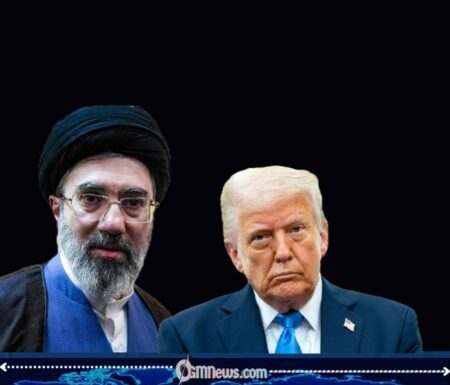
Plutonium tensions are rapidly overshadowing already fragile peace negotiations between the United States and Iran after Tehran threatened “heavy attacks” against American military positions and naval assets in the Middle East. The warning emerged as President Donald J. Trump awaited a formal response from Iranian leaders regarding ongoing diplomatic efforts aimed at preventing a broader regional conflict and curbing Tehran’s controversial nuclear activities. With military vessels gathering around the Strait of Hormuz and sanctions tightening against Iranian-linked suppliers, fears are growing that diplomacy may be operating on borrowed time.
The renewed standoff has intensified anxiety across international energy markets and security circles because the Strait of Hormuz remains one of the world’s most strategically important oil corridors. Analysts warn that even a limited confrontation in the narrow waterway could disrupt global crude shipments, increase fuel prices and deepen geopolitical instability across the Middle East. Although both governments continue speaking publicly about peace, recent military actions and retaliatory rhetoric suggest the region remains dangerously close to another escalation.
Escalation in the Gulf
Iran’s Revolutionary Guard issued fresh threats after reports that US forces targeted Iranian-linked tankers operating near the Gulf of Oman. Tehran warned that any further attacks on its commercial or oil vessels would trigger direct retaliation against American-controlled facilities and naval ships in the region. Iranian officials also accused Washington of repeatedly undermining diplomatic negotiations through military pressure whenever discussions appear close to progress.
Plutonium concerns have further complicated negotiations after nuclear policy experts warned that international discussions remain too heavily focused on uranium enrichment while paying insufficient attention to Iran’s suspected plutonium-related capabilities. Analysts monitoring reactor activity and spent fuel facilities argued that any future agreement must include real-time oversight of sensitive nuclear infrastructure, especially around Bushehr and previously targeted reactor sites allegedly linked to reconstruction efforts.
Project Freedom and the Bigger Iran Nuclear Question
President Trump has continued to maintain that a negotiated agreement with Tehran remains possible, though he also warned that Washington could revive an expanded version of “Project Freedom” if talks collapse. The proposed initiative would reportedly involve American destroyers escorting commercial vessels through the Strait of Hormuz, a move supporters describe as necessary for international shipping security but critics fear could increase the likelihood of direct military confrontation.
Additional pressure has emerged through new sanctions imposed on individuals and companies accused of supplying Iran’s military operations. American officials insist the measures are designed to weaken the operational capacity of the Islamic Revolutionary Guard Corps while forcing Tehran back toward serious negotiations. At the same time, international nuclear observers continue expressing concern that the broader dispute now extends beyond weapons development into regional power projection, energy security and control of critical maritime routes.
Project Freedom may soon evolve from political talking point into operational reality if negotiations continue stalling. For now, both Washington and Tehran remain locked in a tense balancing act between diplomacy and deterrence, while global observers watch nervously for signs of either compromise or confrontation. OGM News understands that further developments are expected in the coming days as diplomatic communications continue behind closed doors and military readiness quietly increases across the Gulf region.

[…] […]