




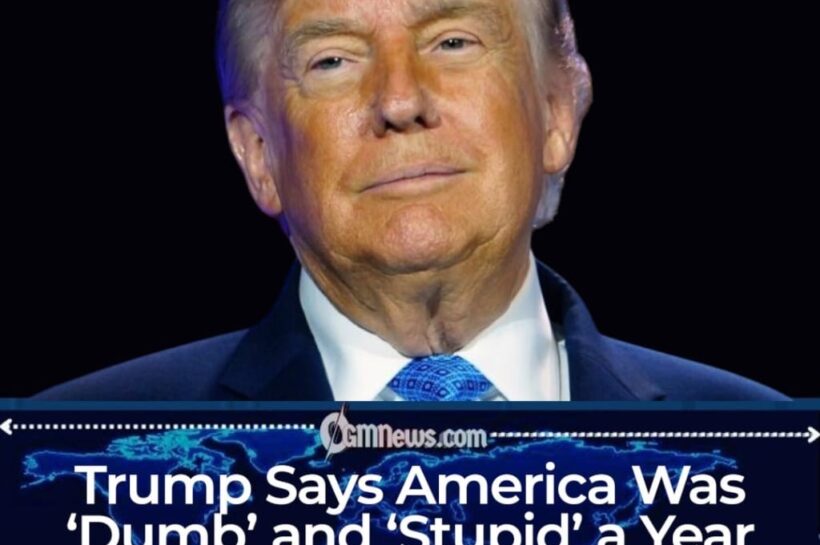



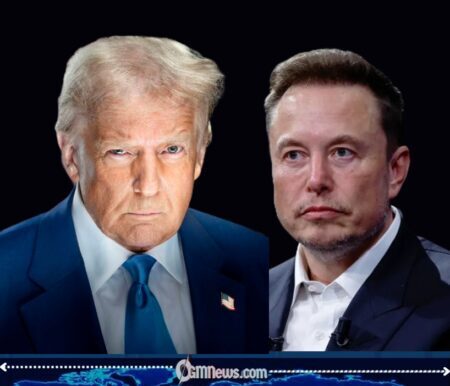
The administration of Donald Trump has declined an offer from Elon Musk to cover the salaries of Transportation Security Administration (TSA) workers during an ongoing partial government shutdown affecting the Department of Homeland Security (DHS). The decision, influenced by legal considerations and expectations of a near-term resolution, comes as thousands of federal employees face prolonged financial strain and disrupted operations at airports across the United States.
Legal Barriers Complicate Private Intervention
Officials within the Trump administration reportedly gave serious consideration to Musk’s proposal, which aimed to provide financial relief to TSA workers who have missed paychecks during the shutdown. However, legal experts raised concerns over whether a private individual—particularly one with extensive federal contracts—could lawfully fund government salaries, even indirectly.
According to guidance from the U.S. Office of Government Ethics, private individuals are prohibited from directly compensating federal employees. Trump Administration officials also examined whether Musk could contribute funds to the government’s general treasury, but this option presented further complications tied to procurement rules and conflict-of-interest laws.
These legal constraints ultimately shaped the Trump administration’s cautious approach, as officials sought to avoid setting a precedent that could blur the lines between public funding responsibilities and private sector intervention.
Trump Administration Signals Optimism on Shutdown Resolution
Another factor influencing the rejection of Musk’s offer is the Trump administration’s belief that the shutdown may soon come to an end. Sources within the White House indicated that ongoing negotiations could lead to a resolution, reducing the need for temporary financial measures from external actors.
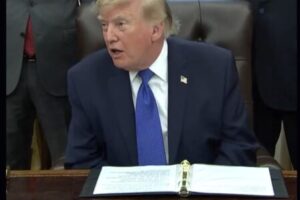
President Trump, who is currently serving his second term, initially reacted positively to the proposal, telling reporters, “I’d love it. I think it’s great. Let him do that.” Despite this public openness, internal deliberations appear to have shifted toward a more cautious stance as legal and political implications became clearer.
Officials have emphasized that a legislative solution remains the most appropriate and sustainable path to restoring funding and ensuring uninterrupted government operations.
Political Blame Intensifies in Washington
The shutdown has further deepened political divisions in Washington, with both major parties trading blame over the funding impasse. White House Press Secretary Karoline Leavitt attributed the stalemate to Democratic lawmakers, accusing them of prolonging negotiations over DHS funding.
“It’s the Democrats who have led to this stalemate over the past six weeks,” Leavitt stated, reiterating the administration’s call for immediate funding of the Department of Homeland Security.
In response, critics argue that the Trump administration and congressional Republicans also share responsibility for the deadlock, highlighting broader disagreements over budget priorities and policy conditions tied to DHS appropriations.
Financial Toll Mounts on TSA Workforce
As the shutdown continues, TSA workers are facing mounting financial hardship. Many employees are on the verge of missing their second full paycheck, having received only partial compensation at the onset of the funding lapse.
The acting head of the TSA reported that agency employees have collectively lost approximately $1 billion in income across the current 40-day shutdown and a previous 43-day shutdown last year. This financial strain has raised concerns about employee morale, retention, and operational efficiency at airport security checkpoints.
The prolonged disruption has also had ripple effects on travelers, with reports of longer wait times and staffing shortages at major airports.
Musk’s Proposal Highlights Private Sector Role
Musk’s offer, announced on his social media platform X, underscored the growing willingness of private sector leaders to intervene during public sector crises. He proposed covering roughly $250 million in salaries for TSA personnel affected by the shutdown.
“I would like to offer to pay the salaries of TSA personnel during this funding impasse,” Musk wrote, framing the initiative as a response to the disruption experienced by travelers nationwide.
While the proposal drew public attention and initial interest from officials, it also sparked debate about the appropriateness of private funding for essential government functions and the potential implications for accountability and governance.
Calls for Legislative Action Grow Louder
Despite discussions around alternative solutions, Trump administration officials maintain that congressional action is the only viable path forward. White House spokeswoman Abigail Jackson acknowledged Musk’s “generous offer” but reiterated that legal barriers make it impractical.
She emphasized that “the fastest way” to ensure TSA and DHS employees are paid is for Congress to approve funding, urging lawmakers to prioritize a resolution.
As negotiations continue, pressure is mounting on both parties to reach an agreement and prevent further economic hardship for federal workers and disruptions to critical national services.
[…] […]