


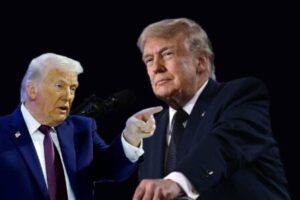

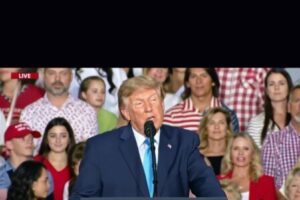
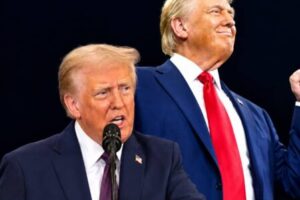
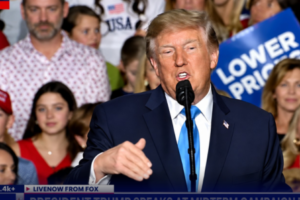














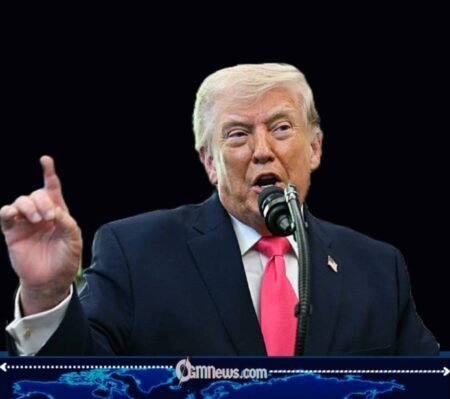
President Donald Trump, serving a second term as the U.S. president, has once again sparked debate over the integrity of mail-in voting. Speaking at a recent rally, Trump condemned mail-in ballots, claiming they are prone to fraud, even though he recently submitted his own vote by mail. His remarks have reignited partisan discussions on voting security and the future of election procedures in the United States.
Trump’s Stance on Mail-In Voting
President Trump described mail-in ballots as “a system used for cheating,” emphasizing his distrust of widespread mail voting. He warned that increased reliance on mail-in voting could lead to contested election outcomes and undermine public confidence in democratic processes.
Critics argue that Trump’s position conflicts with his own actions, as he recently opted to vote via mail. Political analysts note that this contradiction has fueled questions about consistency and credibility, especially among voters concerned about election security.
Trump’s ongoing criticism reflects a broader campaign narrative emphasizing the need for stricter voter verification measures, including in-person identification requirements and tighter monitoring of postal ballots.
Bipartisan Reactions and Public Opinion
Trump’s statements have prompted immediate responses across party lines. Republican allies largely echoed his concerns, citing the need to prevent potential voter fraud, while Democratic leaders condemned the remarks as misleading and potentially disenfranchising.
Polling data suggests that Americans remain divided on mail-in voting. While many voters trust the process as a secure and convenient method, a significant portion continues to share concerns over ballot integrity, reflecting the polarizing nature of the debate.
Election experts stress that historical data indicates voter fraud in mail-in ballots is extremely rare, reinforcing the contention that fears may be overstated. However, political rhetoric continues to influence public perception, making it a critical topic ahead of upcoming elections.
Impact on Upcoming Elections
The president’s statements come at a critical time as local and state officials prepare for high voter turnout through mail-in ballots. Election authorities nationwide have reiterated the importance of secure, efficient processes to accommodate absentee voting while maintaining confidence in outcomes.
Some states have responded by increasing funding for ballot verification systems and public awareness campaigns to educate voters about the safety and reliability of mail-in ballots.
Meanwhile, partisan debates continue to shape legislative discussions regarding voting rules, deadlines, and identification requirements.
Analysts warn that persistent messaging against mail-in voting could discourage participation, particularly among populations who rely on absentee voting for accessibility reasons, including seniors and military personnel.
Historical Context of Mail-In Voting
Mail-in voting has been a feature of U.S. elections for decades, initially designed to increase accessibility for absentee voters. Its use has expanded significantly in recent years, particularly during the COVID-19 pandemic, when health concerns prompted many states to provide broader absentee options.
Despite historical precedents showing low rates of fraud, skepticism has grown in polarized political environments. Trump’s critique is part of a broader pattern of questioning institutional mechanisms in elections, reflecting a strategy that resonates with certain voter bases concerned about integrity and security.
Election officials emphasize that rigorous processes, including signature verification and secure ballot handling, minimize the risk of fraudulent votes, ensuring that mail-in voting remains a viable and trustworthy option.
Legal and Policy Considerations
The controversy has triggered renewed interest in potential legislative changes to voting procedures. Republican lawmakers have proposed stricter controls, including limits on who can request absentee ballots and more stringent identification protocols.
Democrats, on the other hand, advocate for expanding access and simplifying the voting process, arguing that mail-in voting enhances participation and strengthens democracy. Court battles over mail-in voting rules in multiple states highlight the ongoing legal tension surrounding election administration.
Legal experts suggest that future elections may face continued challenges over ballot security, with Trump’s public statements serving as a catalyst for both legislative and judicial scrutiny in the months ahead.
Public Discourse and Electoral Trust
The debate over mail-in voting is likely to remain a prominent issue as the nation approaches the next election cycle. Public trust in electoral systems is crucial, and conflicting narratives from high-profile political figures can shape voter confidence significantly.
Experts recommend balanced communication and fact-based education to prevent misinformation from eroding participation. Ensuring transparency in vote counting, clear guidance for voters, and consistent enforcement of election laws are seen as vital to maintaining confidence in democratic outcomes.
As President Trump continues to vocalize his concerns, election officials, lawmakers, and voters alike face the challenge of navigating a politically charged environment while safeguarding the integrity and accessibility of the voting process.
Ae888covenuscasino, okay, I'm curious. Gonna check out this site and try to find some amazing...