























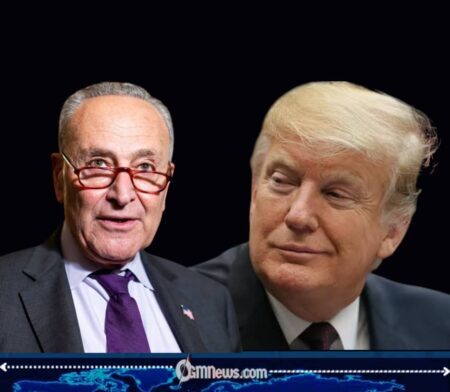
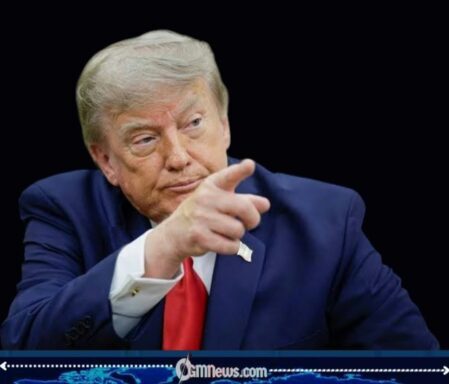
Theatre of the Absurd became the latest explosive phrase to shake Washington after Senate Minority Leader Chuck Schumer accused President Donald Trump of prioritizing political spectacle over the real struggles facing Americans. In a fiery criticism that quickly spread online, Schumer suggested Trump was more focused on image-building and grand displays than addressing economic anxiety, rising costs, and growing public frustration across the country. The remark immediately triggered fierce reactions from both Democrats and Republicans, turning yet another Senate exchange into a nationwide political flashpoint.
The comments arrive at a time when many Americans continue to voice concerns about inflation, healthcare affordability, housing pressures, and economic uncertainty. Against that backdrop, Schumer’s attack sought to portray Trump as increasingly disconnected from ordinary citizens, while Trump supporters argued the criticism was itself another example of theatrical politics designed to dominate media attention rather than solve problems. The political clash quickly evolved beyond a simple insult, becoming part of the larger debate over leadership, priorities, and public trust in Washington.
Theatre of the Absurd
Schumer’s statement specifically mocked what he described as Trump’s fascination with spectacle and symbolic grandeur, comparing the president’s political style to a dramatic stage production rather than serious governance. By referencing a “ballroom” and “theatre of the absurd,” Schumer appeared to frame Trump as a leader more interested in performance, branding, and public imagery than the practical realities confronting millions of Americans. The criticism was widely interpreted as an attempt to connect economic frustrations directly to Trump’s governing style.
Trump allies responded aggressively, accusing Democrats of hypocrisy and claiming Schumer’s remarks were deliberately provocative. Conservative commentators argued that Trump’s political success has long depended on commanding public attention and projecting strength, qualities they believe resonate with voters frustrated by traditional political elites. Some Republicans also dismissed Schumer’s attack as political desperation aimed at weakening Trump’s public image ahead of future electoral battles.
Disconnect and Political Spectacle
The broader political significance of the exchange reflects how American politics has increasingly transformed into a contest driven by viral moments, media narratives, and symbolic language. Analysts note that phrases like “Theatre of the Absurd” spread rapidly because modern political audiences often consume politics through short clips, social media reactions, and emotionally charged headlines rather than detailed policy discussions. In that environment, sharp rhetoric can sometimes overshadow substantive debate.
The criticism also highlights ongoing concerns about whether political leaders truly understand the economic and social pressures facing ordinary citizens. Across the political spectrum, voters continue expressing frustration over rising living costs, economic instability, and partisan conflict dominating national discourse. Schumer’s comments attempted to channel that frustration into a broader critique of Trump’s leadership style, while Republicans countered by portraying Democrats as equally responsible for the growing political spectacle consuming Washington.
As the political climate grows even more confrontational, exchanges like this are likely to become increasingly common. The Theatre of the Absurd narrative may continue following both parties as leaders compete not only for votes, but also for dominance in an attention-driven media environment where political messaging can become as influential as policy itself. OGM News will continue monitoring how this growing Disconnect between political theatre and public expectations shapes the next phase of America’s national debate.

The registration process was so simple and I started playing within minutes. Promotions come in...