



























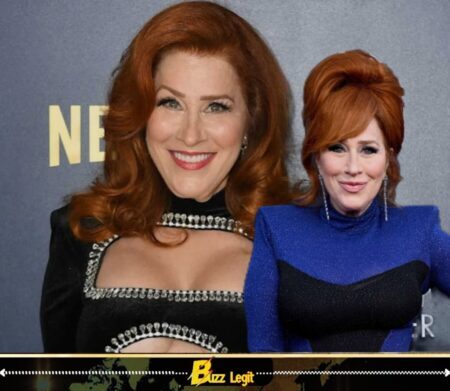
Housewives conversations intensified this week after Lisa Ann Walter revealed that she turned down invitations to join The Real Housewives of Beverly Hills on five separate occasions. The Abbott Elementary actress, known for her comedic presence and outspoken personality, reportedly decided that reality television was not the right environment for her personal life or professional direction. Her comments immediately triggered debate across entertainment circles, where many fans argued she would have become one of the franchise’s most memorable cast members.
Walter’s revelation has also reignited broader conversations about the emotional demands attached to reality television fame. Over the years, multiple personalities connected to the Real Housewives franchise have publicly discussed online criticism, public feuds, damaged friendships, and pressure surrounding the constant exposure of their private lives. While the franchise remains one of television’s most successful reality brands, critics frequently accuse such programs of encouraging conflict-driven entertainment to maintain ratings and social media attention.
Industry observers believe Walter’s growing popularity through Abbott Elementary likely increased interest from producers eager to recruit recognizable Hollywood talent into the Beverly Hills cast. However, the actress reportedly viewed her acting career and personal stability as more valuable than entering a format where daily life could become permanent public spectacle. Her decision stands out in an entertainment era increasingly dominated by viral fame and oversharing culture.
Reality Television’s Expanding Celebrity Hunt
Reality television producers have increasingly pursued established actors, musicians, influencers, and comedians as audiences demand bigger personalities and more recognizable faces. In recent years, entertainment executives have relied heavily on celebrity-driven reality programming to compete in an overcrowded streaming and television market. Analysts note that franchises like The Real Housewives continue generating strong online engagement precisely because viewers become emotionally invested in cast relationships, scandals, and luxury lifestyles.
At the same time, some entertainment figures remain cautious about crossing into unscripted television. Housewives criticism often centers on concerns that reality shows can blur the line between authentic personality and performative conflict. Media experts have also observed that once celebrities become strongly associated with reality television drama, it may affect how audiences perceive their careers in scripted entertainment. Walter’s refusal appears to reflect that concern, particularly as Abbott Elementary continues earning praise and expanding her mainstream visibility.
The actress’s comments arrive during a period when audiences are increasingly divided over the long-term effects of reality TV fame. While supporters see such programs as harmless entertainment and major financial opportunities, others argue that constant public scrutiny can reshape careers, friendships, and family dynamics in unpredictable ways. Walter’s repeated rejection of the Beverly Hills franchise has therefore become more than celebrity gossip; it has evolved into a larger conversation about how much visibility is too much in modern Hollywood.
For now, Housewives speculation surrounding Lisa Ann Walter continues to dominate entertainment discussions online, with many viewers insisting Bravo should keep trying despite her repeated refusals. Whether her decision ultimately becomes a celebrated example of protecting personal boundaries or simply one of Hollywood’s biggest reality TV “what if” moments, Buzz Legit will continue monitoring reactions as audiences weigh fame against peace in the age of nonstop celebrity exposure.



[…] […]