





























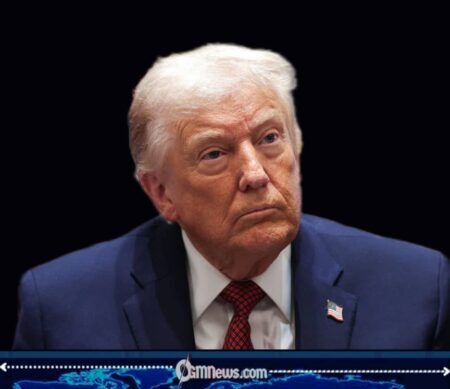
As the United States approaches the November midterm elections, the Republican Party is undertaking a strategic recalibration shaped by shifting political realities. With rising gas prices, a prolonged geopolitical standoff with Iran, and declining approval ratings for Donald Trump—the current U.S. president serving a second term—party leaders are seeking a more nuanced campaign approach. The emerging blueprint aims to harness Trump’s voter mobilization strength while avoiding making him the central focus of competitive races.
Behind closed doors, senior campaign advisers and Republican strategists are crafting a message that emphasizes policy achievements rather than presidential personality. The goal is to maintain electoral momentum without exposing candidates to the political risks associated with Trump’s waning popularity.
A Strategic Pivot in Republican Campaigning
In a private conversation involving top conservative operatives, key figures within Trump’s political circle outlined a revised electoral strategy. Among those present were White House Chief of Staff Susie Wiles, political strategist James Blair, and veteran pollster Tony Fabrizio. Their message to candidates was clear: campaign on Republican policy successes—particularly tax reforms and anti-inflation measures—while avoiding overreliance on Trump as the face of the party.
This marks a departure from earlier plans to position Trump as the centerpiece of the midterm elections. Initially, Republican leaders had considered placing the president “on the ballot” in a symbolic sense, leveraging his influence to energize voters. However, recent polling data and shifting public sentiment have prompted a reassessment of that approach.
Falling Approval Ratings and Political Headwinds
Recent surveys indicate that President Trump’s approval rating has dropped to 36%, the lowest point of his current term. Concerns about his leadership style, temperament, and policy outcomes have contributed to growing unease among voters—including segments of the Republican base.
Compounding these challenges is the ongoing conflict involving Iran, which has led to economic repercussions, particularly in global energy markets. Gas prices in the United States have surged to nearly $4 per gallon, offsetting the perceived benefits of the administration’s flagship legislation, the “One Big Beautiful Bill Act.” These developments have weakened the administration’s economic narrative, a cornerstone of Republican messaging.
Balancing Trump’s Influence With Electoral Realities
Despite declining approval ratings, Trump remains a powerful figure within the Republican Party. According to Republican National Committee officials, his endorsement continues to be highly sought after by candidates seeking to galvanize conservative voters. Party insiders acknowledge that Trump’s ability to drive turnout remains unmatched.
However, strategists are increasingly wary of allowing Democratic opponents to frame the midterms as a referendum on Trump’s presidency. A senior Republican operative noted that Democrats are likely to “nationalize” the election, portraying GOP candidates as extensions of the president. To counter this, Republicans aim to localize races and highlight district-specific issues.
Emphasis on Local Issues and Candidate Autonomy
The revised strategy places significant emphasis on local concerns, allowing candidates to tailor their campaigns to the unique priorities of their constituencies. This approach is intended to insulate candidates from national political volatility while reinforcing their individual appeal.
At a recent strategy session held at the Waldorf Astoria in Washington, D.C., attendees were encouraged to focus on bread-and-butter issues such as cost of living, job creation, and regional economic development. The shift reflects a broader recognition that voters are more responsive to tangible, local outcomes than to national political narratives.
Internal Doubts and External Pressures
Not all Republican insiders are convinced that the new strategy will succeed. Some question whether the party is overestimating its electoral prospects, particularly after a setback in Virginia where a redistricting outcome favored Democrats. The result has raised concerns about the effectiveness of current messaging and the accuracy of internal projections.
Meanwhile, critics of the Trump administration argue that its foreign policy decisions—especially regarding Iran—have exacerbated global instability. Analysts such as Aaron David Miller suggest that Iran may be leveraging its strategic position to outlast U.S. pressure, further complicating the administration’s diplomatic efforts.
Looking Ahead: A Fluid political Landscape
With several months remaining before the midterms, Republican leaders acknowledge that the political environment remains highly fluid. Economic indicators, geopolitical developments, and domestic policy outcomes could all influence voter sentiment in the lead-up to Election Day.
Figures like David McIntosh emphasize the importance of long-term projections over short-term reactions, arguing that current anxieties may subside if conditions improve. Nonetheless, the party’s evolving strategy underscores a broader effort to adapt to changing circumstances while preserving its electoral base.
The Republican Party’s recalibrated midterm strategy reflects a delicate balancing act: leveraging the enduring influence of President Donald Trump while mitigating the political risks associated with his declining popularity. By shifting focus to policy achievements and local issues, party leaders hope to maintain control of Congress in an increasingly political climate.

The weekly tournaments here keep me coming back because the prize pools are surprisingly generous....