










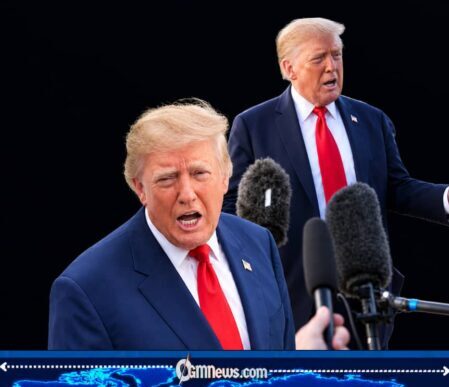
President Donald Trump, has framed the looming Supreme Court review as a defining moment for executive authority, arguing that his birthright citizenship executive order reflects a necessary interpretation of the Constitution in a modern context. He maintains that the policy addresses long-standing concerns about immigration and national identity, positioning the case as a test of presidential power.
The case heading to the Supreme Court has sparked intense legal debate, with constitutional scholars divided over whether the Fourteenth Amendment guarantees automatic citizenship to all individuals born on U.S. soil. Critics argue that the amendment’s language is clear and historically settled, while supporters of the order believe its interpretation has been overly broad.
Legal analysts note that the Court’s decision could have sweeping implications beyond immigration policy. A ruling in favor of the executive order may expand presidential authority, while a rejection could reinforce judicial limits on executive action and reaffirm established constitutional interpretations.
Constitutional Questions and Interpretations
President Donald Trump, has repeatedly argued that the phrase “subject to the jurisdiction thereof” in the Fourteenth Amendment leaves room for reinterpretation, particularly in cases involving undocumented immigrants. His legal team contends that citizenship should not automatically extend to children of individuals who are not legally present in the country.
Opponents of the order emphasize that the Supreme Court has historically upheld birthright citizenship in landmark rulings, citing precedent as a key barrier to the administration’s position. They argue that altering this principle would require a constitutional amendment rather than an executive action.
The broader constitutional debate highlights tensions between originalist and modernist interpretations of the law. Some justices are expected to scrutinize historical intent, while others may focus on the practical consequences of redefining citizenship in the 21st century.
Political Ramifications Ahead of Midterms
President Donald Trump, has also linked the issue to broader political narratives, presenting the executive order as part of a commitment to stricter immigration policies. Supporters view the move as a fulfillment of campaign promises, while critics see it as politically motivated ahead of key elections.
The potential Supreme Court ruling has already begun to shape campaign messaging on both sides of the aisle. Republicans are divided, with some backing the policy as a necessary reform and others expressing concern about its legal viability and political consequences.
Democrats, meanwhile, have seized on the issue to rally their base, portraying the executive order as an attack on constitutional rights. The case is expected to become a central talking point in the upcoming midterm elections, influencing voter turnout and party strategies.
Public Reaction and National Debate
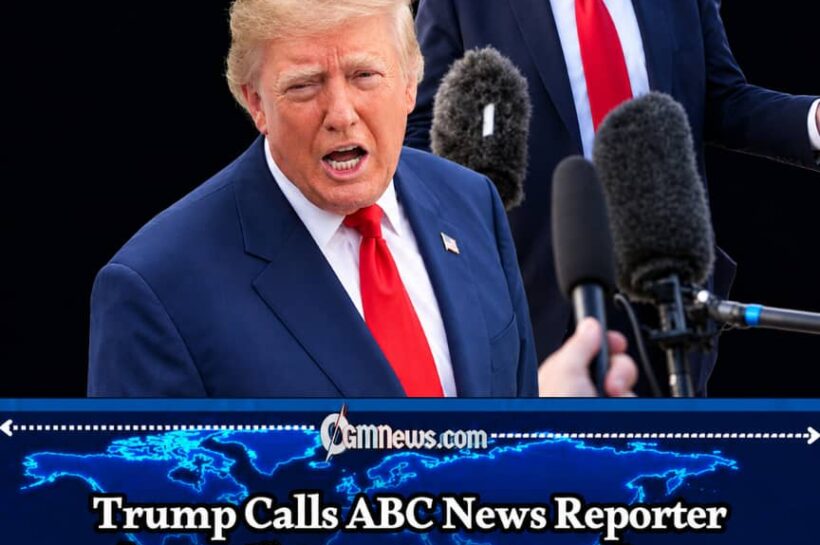
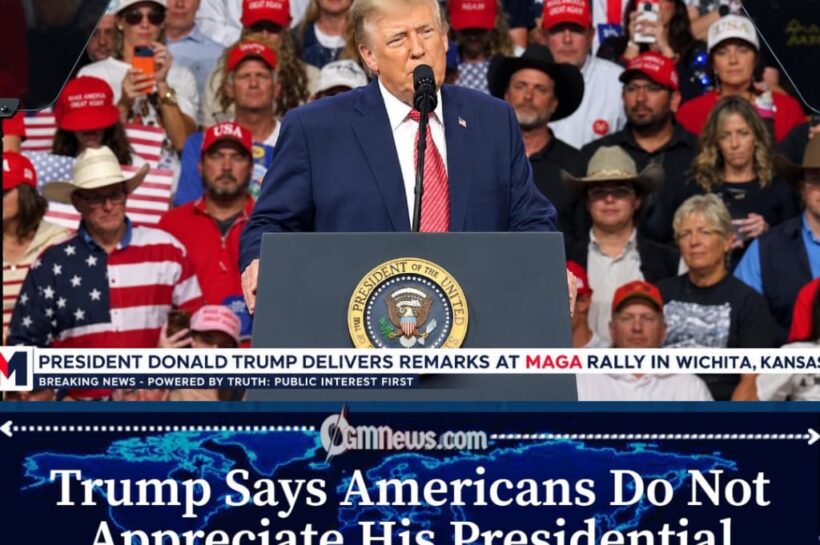
President Donald Trump, has defended the policy in public appearances, arguing that it addresses perceived loopholes in immigration law. His remarks have been met with both strong support and vocal opposition, reflecting deep divisions within the electorate.
Public opinion polls indicate a split among Americans, with some favoring stricter immigration controls and others supporting the preservation of birthright citizenship. Advocacy groups on both sides have mobilized campaigns to influence public perception and the broader national conversation.
The debate has also extended to social media and grassroots movements, where narratives surrounding fairness, legality, and national identity continue to evolve. The issue remains one of the most polarizing topics in contemporary American politics.
President Donald Trump and Executive Authority
President Donald Trump, has positioned the case as a broader defense of executive power, arguing that the presidency must retain flexibility to address emerging challenges. His administration views the executive order as a lawful exercise of that authority.
Legal experts caution that the Supreme Court’s decision could set a precedent affecting future administrations. Expanding executive power in this context may open the door to broader unilateral actions, while limiting it could reinforce checks and balances.
The case underscores the ongoing tension between the executive branch and the judiciary, with each seeking to define the scope of its authority. The outcome will likely influence how future presidents approach controversial policy decisions.
What Comes Next for the Nation
President Donald Trump, has expressed confidence that the Supreme Court will rule in favor of his administration’s position, framing the case as an opportunity to correct what he describes as a misinterpretation of the Constitution. His stance continues to shape the narrative surrounding the issue.
Observers anticipate a closely watched hearing, with justices expected to probe both the legal and practical implications of the executive order. The Court’s questions during oral arguments may offer early clues about its eventual ruling.
Regardless of the outcome, the decision is poised to have lasting effects on immigration policy, constitutional law, and the balance of power within the U.S. government. The nation now awaits a ruling that could redefine one of its most fundamental legal principles.

Logging in is a breeze and the site stability is amazing even during peak hours....