







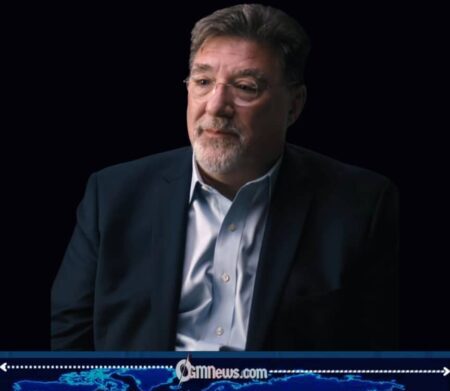
Prominent political analyst Tom Nichols has emerged as a leading voice questioning the direction of the ongoing war, arguing that President Donald Trump is increasingly frustrated by the American public’s lack of support. According to Tom Nichols, the administration is facing a significant credibility challenge, as many citizens remain unconvinced about the objectives and long-term strategy of the conflict.
Tom Nichols emphasizes that public skepticism is not merely a political inconvenience but a structural weakness in sustaining military engagement. He notes that without consistent public backing, the administration risks both domestic political fallout and diminished international confidence in U.S. leadership.
Tom Nichols Criticizes “Lack of Transparency” in War Effort
A central pillar of Tom Nichols’ critique is what he describes as an “utter lack of transparency” surrounding the war. Tom Nichols argues that the absence of clear communication from officials has created uncertainty and fueled public distrust.
According to Tom Nichols, inconsistent messaging and limited formal briefings have left citizens without a clear understanding of the war’s progress or objectives. He warns that such gaps in communication risk undermining democratic accountability and eroding confidence in government institutions during a critical period.
Public Skepticism and Mounting Political Pressure
Beyond individual criticism, the concerns raised by Tom Nichols reflect a broader pattern of public unease. Analysts and media reports indicate that the war has struggled to gain sustained support, with many questioning both its necessity and execution.
This lack of consensus has placed increasing pressure on the administration. Political observers note that maintaining a prolonged military campaign without strong domestic backing can complicate decision-making and limit strategic flexibility.
As debates intensify, the administration faces the challenge of bridging the gap between official policy and public perception, a task that becomes more difficult as skepticism deepens.
Leadership Changes Stir Debate Within Military Circles
Recent leadership changes within the U.S. military have further amplified concerns. Reports indicate that several senior officers with extensive service records have been dismissed or replaced, sparking debate about the implications for military effectiveness.
Critics argue that such moves could disrupt continuity and weaken institutional stability, particularly during an active conflict. The removal of experienced leaders has raised questions about whether strategic decisions are being influenced by political considerations.
Supporters, however, contend that leadership restructuring may be necessary to align military operations with evolving policy goals. This divide underscores the complexity of managing leadership during wartime.
Debate Over Qualifications and Civilian Oversight
Another dimension of the controversy centers on the qualifications of key defense officials. Discussions in policy and media circles have focused on the role of Pete Hegseth, whose background as a media figure prior to his appointment has drawn scrutiny.
Critics question whether non-traditional experience equips leaders to handle the demands of complex military operations. Supporters argue that diverse perspectives can bring innovation and challenge established norms within defense institutions.
This debate reflects a broader tension between political leadership and professional expertise, highlighting differing views on how best to manage national security in a rapidly changing environment.
Institutional Strain and Governance Challenges
The combination of leadership changes and communication concerns points to wider institutional challenges. Analysts note that frequent reshuffling of senior officials can create instability and disrupt long-term planning.
Such conditions may affect coordination across government agencies, particularly in areas requiring sustained focus and expertise. Observers warn that maintaining institutional coherence is essential for effective governance during periods of conflict.
At the same time, the administration maintains that its actions are part of a broader effort to realign government structures with its strategic priorities, illustrating the ongoing debate over governance approaches.
Implications for Trust and the Future of the War
The issues highlighted by Tom Nichols ultimately converge on the question of public trust. Analysts emphasize that transparency, stability, and experienced leadership are critical to maintaining confidence in government decisions.
As the war continues, the administration faces mounting pressure to address these concerns while sustaining its strategic objectives. The outcome will likely influence not only the trajectory of the conflict but also broader perceptions of U.S. leadership.
In this context, the warnings from Tom Nichols serve as part of a larger conversation about accountability, expertise, and the responsibilities of leadership in times of crisis.
FoSEnYRcnzkCFxcrkTIkEJxP