




















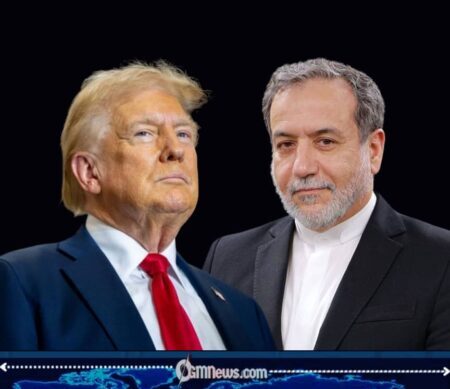
Iran has rejected all requests from the United States to negotiate an end to the ongoing war, refusing to attend proposed talks with American officials in Islamabad, Pakistan. The development, first reported by The Wall Street Journal, marks a significant setback in international efforts to de-escalate a rapidly intensifying conflict.
The refusal underscores a widening diplomatic rift between Tehran and Washington under President Donald Trump, with mediation attempts by regional actors failing to bring both sides to the negotiating table. As military confrontations continue, the collapse of dialogue raises concerns about a prolonged and potentially more volatile phase of the conflict.
Iran’s Firm Rejection of U.S. Negotiation Requests
Iranian officials have made clear their unwillingness to engage with the United States under current conditions. According to multiple international reports, Tehran dismissed U.S. proposals aimed at securing a ceasefire, describing them as unacceptable and misaligned with its strategic interests.
The refusal to participate in diplomatic talks reflects Iran’s broader stance that negotiations cannot proceed while military operations remain active. Officials have emphasized that dialogue, if it occurs at all, must follow a cessation of hostilities and adherence to conditions set by Tehran.
This position highlights a rigid diplomatic posture, signaling that Iran is not prepared to compromise without significant concessions from Washington and its allies.
Islamabad Talks Collapse Before They Begin
Efforts to convene peace talks in Islamabad, facilitated by Pakistan, have effectively collapsed following Iran’s decision not to attend. The meeting was intended to provide a neutral platform for dialogue between the two adversaries.
Pakistan had positioned itself as a mediator capable of bridging the gap between Tehran and Washington. However, Iran’s refusal to participate has rendered the initiative ineffective, leaving mediators with limited options for advancing negotiations.
The breakdown of the Islamabad talks reflects the broader challenges facing diplomatic efforts, where mutual distrust and incompatible demands continue to hinder progress.
Key Conditions Behind Iran’s Stance
Iran’s rejection of U.S. overtures is rooted in a set of firm conditions that it insists must be met before any negotiations can occur. Among these are demands for an immediate halt to military actions, assurances against future attacks, and compensation for damages incurred during the conflict.
Additionally, Iran has sought recognition of its strategic interests in key regional waterways, particularly the Strait of Hormuz. These demands, viewed by Washington as excessive, have contributed to the current impasse.
By setting these conditions, Iran is attempting to reshape the terms of engagement, positioning itself not as a participant in U.S.-led diplomacy but as an equal actor dictating the framework for any future talks.
Escalation on the Battlefield Continues
While diplomatic channels falter, military activity has continued to intensify across the region. Reports indicate ongoing missile and drone exchanges, as well as significant incidents such as the downing of a U.S. military aircraft.
The escalation underscores the urgency of diplomatic intervention, yet also complicates efforts to achieve it. Each new development on the battlefield deepens mistrust and reduces the likelihood of immediate dialogue.
President Trump, currently serving his second term, has publicly urged Iran to engage in negotiations, warning of consequences if a deal is not reached. However, these calls have so far failed to alter Tehran’s position.
Mediation Efforts Face Growing Challenges
Beyond Pakistan, several countries including Turkey, Egypt, and Qatar have been involved in attempts to mediate the conflict. Despite these efforts, no breakthrough has been achieved.
One of the primary obstacles has been the lack of a mutually acceptable framework for negotiations. While mediators have proposed alternative venues and formats, Iran’s refusal to engage under current conditions has stalled progress.
The situation illustrates the limitations of third-party diplomacy in conflicts where the principal actors remain deeply divided. Without a shift in positions from either side, mediation efforts are likely to remain ineffective.
Global Implications of a Prolonged Standoff
The continued deadlock carries significant implications for global stability. The conflict has already affected key economic and strategic regions, particularly in the Middle East, where tensions around critical shipping routes have heightened concerns.
A prolonged standoff could disrupt global energy markets, strain international alliances, and increase the risk of broader regional involvement. Analysts warn that without diplomatic progress, the conflict may evolve into a more complex and far-reaching crisis.
For the international community, the challenge lies in balancing pressure and diplomacy to encourage renewed dialogue while preventing further escalation.
Iran’s rejection of U.S. peace overtures and refusal to participate in Islamabad talks represent a critical moment in the ongoing conflict. With diplomatic efforts stalled and military activity intensifying, the prospects for a near-term resolution appear increasingly uncertain.
The situation highlights the fragility of international mediation efforts and the enduring challenges of resolving high-stakes geopolitical conflicts. As both sides maintain firm positions, the path toward de-escalation remains unclear.



Logging in is a breeze and the site stability is amazing even during peak hours....