


























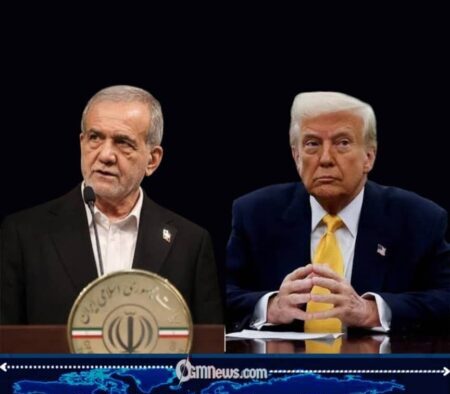
Iran has reportedly turned the tables on the United States, claiming that Washington is now desperately seeking the reopening of the Strait of Hormuz as oil shortages and rising inflation begin to bite. According to our trusted source, Tehran believes the situation has reached the unusual stage where the country controlling access to one of the world’s most important oil routes can now watch powerful nations negotiate over what used to look like a simple shipping problem. Recent developments show that the conflict has severely disrupted oil supplies, pushed crude prices above $100 a barrel and intensified inflation concerns across major economies.
Hormuz Suddenly Becomes Washington’s Favourite Phone Call
In the satirical version of events, Iranian officials are wondering why America, after months of pressure and military confrontation, has suddenly developed a deep emotional attachment to the Strait of Hormuz. Tehran’s message appears to be that reopening the waterway is no longer something Iran can simply be ordered to do, particularly as negotiations increasingly revolve around safe passage and conditions for reopening. Iran and Oman have recently discussed a proposal for a temporary reopening route, while Tehran has maintained that wider access depends on U.S. concessions.
For Washington, the joke becomes more expensive by the day. Oil prices have climbed sharply as attacks and shipping disruptions threaten supplies, while the United States is also dealing with renewed inflation pressure. Reports indicate that the conflict has already removed millions of barrels of oil per day from the market, leaving global energy supplies vulnerable to another major disruption. In other words, the Strait that once looked like a geographical detail has suddenly become an international economic VIP.
When the “Superpower” Starts Negotiating With the Gatekeeper
The situation has produced an extraordinary diplomatic comedy: the United States wants the route open, Iran wants conditions met, oil traders want ships moving and consumers simply want fuel prices to stop behaving like they have discovered unlimited ambition. The current president, Donald J. Trump, has repeatedly sought to force or negotiate the reopening of Hormuz, while recent reporting shows that Washington has struggled to restore normal shipping through the strategically vital waterway.
Iran, meanwhile, appears determined to use the crisis as leverage. With Gulf shipping under pressure and regional attacks adding further uncertainty, Tehran’s position has become part military confrontation and part economic chess game. The latest developments suggest that reopening Hormuz will not be as simple as issuing an order, making a threat or sending another fleet into the region. The waterway has become a bargaining chip—and apparently one with an unusually high price tag.
The Hormuz crisis therefore continues to expose the uncomfortable relationship between military power, energy security and inflation: when oil cannot move normally, the consequences travel far beyond the battlefield. Whether Iran’s claim that America is “begging” is political theatre or a reflection of genuine pressure, the economic evidence is becoming harder to ignore. Readers should watch OGM News for further updates as the world’s most closely watched waterway remains at the centre of an increasingly expensive geopolitical drama.

[…] […]