




























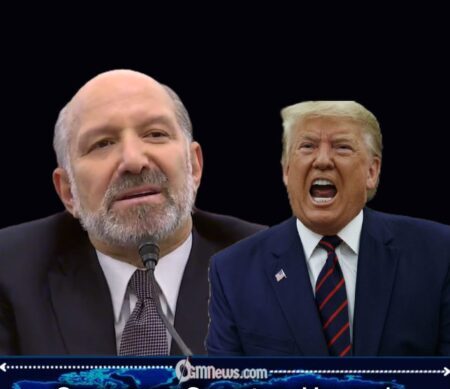
Commerce Secretary Howard Lutnick has said President Donald Trump’s proposed $5,000 “dividend” for American adults would not be financed through taxpayer money or increase the federal deficit.
Lutnick’s comments come after President Donald Trump floated the idea of returning a portion of federal revenue to Americans as a direct payment, potentially giving eligible adults thousands of dollars. The proposal has generated debate over how such a large programme would be financed and whether it could be implemented without worsening the government’s fiscal position.
Howard Lutnick Points to Tariff Revenue
Howard Lutnick has argued that the proposed payments could be financed through revenue generated by tariffs rather than conventional taxpayer funding. The administration has increasingly portrayed tariffs as a source of government revenue that could potentially be redistributed to Americans.
The proposal, however, raises questions about whether tariff collections would be sufficient to finance payments of $5,000 to millions of Americans. Any final plan would also require determining eligibility, funding mechanisms and the legal authority for distributing the money.
Howard Lutnick Defends Trump’s Dividend Proposal
Howard Lutnick’s comments seek to address one of the biggest criticisms surrounding President Donald Trump’s proposal: whether the payments would simply add another massive expense to an already heavily indebted federal government.
Trump’s proposed dividend has attracted attention because of its potential scale. Critics have questioned the economic and fiscal implications, while supporters argue that Americans should benefit directly from revenue generated by the administration’s trade policies.
For OGM News, the debate now moves beyond the tempting $5,000 figure to the bigger question: Can President Donald Trump deliver the dividend without asking American taxpayers—or the federal deficit—to foot the bill?
[…] […]