










Iran has issued a firm response after U.S. President Donald Trump warned that Tehran could face “total destruction” if ongoing negotiations collapse. Iranian officials said the period in which global powers could pressure the country through military threats has ended, signaling that Tehran intends to resist what it sees as coercive diplomacy from Washington.
The latest exchange has added new tension to an already fragile diplomatic process between Washington and Tehran. While both governments publicly maintain that they prefer a negotiated outcome, the increasingly sharp language between Iranian officials and President Donald Trump has raised concern among international observers about whether the current talks can survive.
Trump Escalates Public Pressure
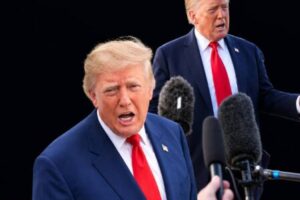
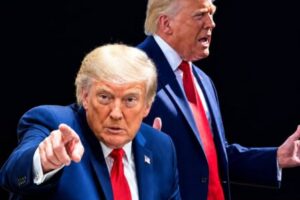
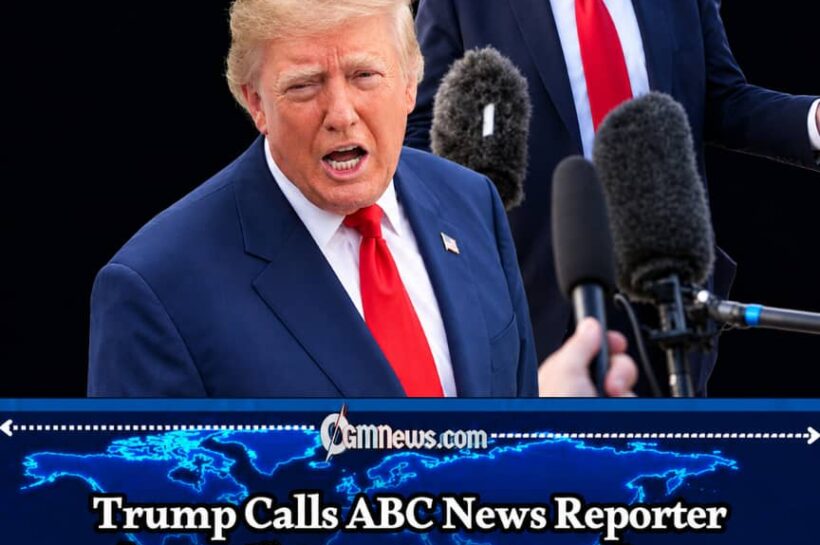
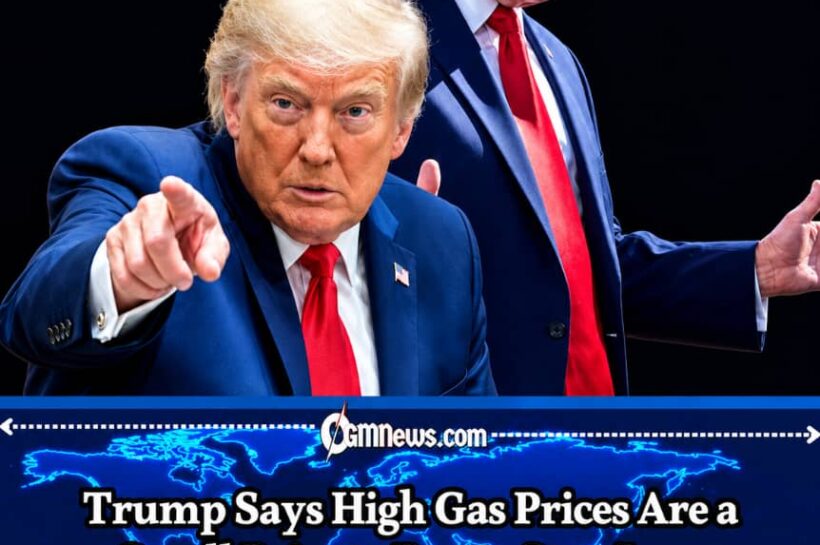
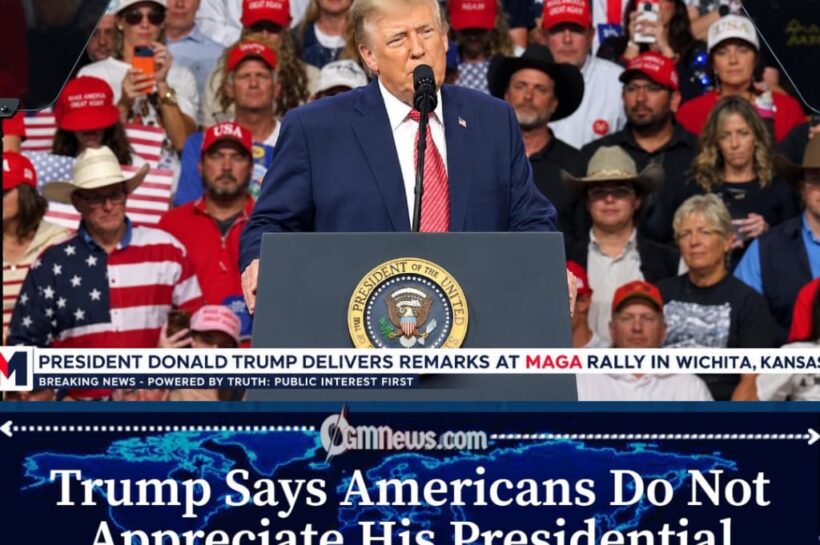
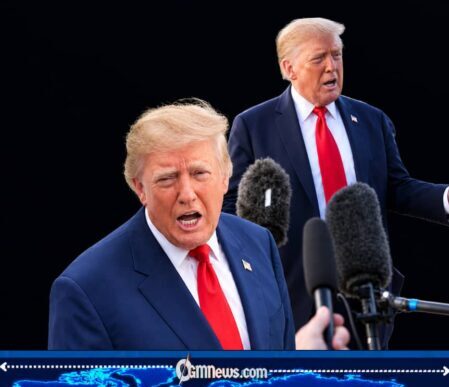
President Donald Trump recently intensified his language toward Iran by warning that severe military action remains possible if negotiations fail. Speaking to reporters, President Donald Trump said the United States would not hesitate to act if Tehran continued rejecting what his administration calls reasonable terms.
White House officials say President Donald Trump believes strong public warnings can increase leverage before the final phase of negotiations. According to administration allies, the president views public pressure as a tool to convince Iran that Washington is prepared to act if diplomacy breaks down.
Critics, however, argue that repeated threats from President Donald Trump could make a peaceful breakthrough more difficult.
Tehran Rejects American Threats
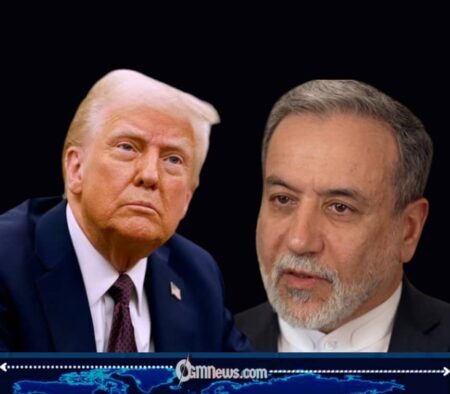
Iranian leaders responded by saying the United States can no longer dictate terms through intimidation. Senior officials insisted that Iran would defend its sovereignty and would not negotiate under threats from President Donald Trump or any foreign government.
Tehran described the latest American warning as outdated and ineffective. Officials argued that years of sanctions and military pressure have only strengthened Iran’s determination to preserve its national policies.
Iranian state media presented the response as a message that the country will not bend under external pressure.
Nuclear Negotiations Enter a Critical Stage
Despite the heated rhetoric, diplomatic channels between Washington and Tehran remain open. International mediators continue to work quietly to keep both sides engaged as negotiations enter a crucial period.
Iran has demanded sanctions relief and recognition of its civilian nuclear rights, while President Donald Trump has insisted that any agreement must permanently prevent Iran from obtaining nuclear weapons. The gap between those positions remains one of the main obstacles to a final deal.
Diplomats say the next several days could determine whether the talks continue or collapse.
Regional Tensions Raise the Stakes
The dispute comes as the wider Middle East remains on edge. Energy markets, military deployments, and shipping routes have all become part of the larger confrontation between Iran and the United States.
The Strait of Hormuz remains especially sensitive because of its role in global oil exports. Analysts say any direct confrontation involving President Donald Trump’s administration could immediately affect global energy prices and regional security.
Neighboring governments are therefore watching the dispute with growing concern.
International Reaction to the Standoff
European leaders have urged restraint from both sides, warning that escalating rhetoric could lead to unintended consequences. Several governments have called on Iran and President Donald Trump to return focus to diplomacy rather than confrontation.
Russia and China have also encouraged a diplomatic path, emphasizing that regional conflict would have global economic consequences. Some analysts believe international pressure could still help prevent the situation from worsening.
At the same time, many observers believe both governments are trying to appear strong without crossing into open conflict.
Political Stakes for Both Governments
For President Donald Trump, the confrontation has become part of a larger effort to project strength during his second term. Supporters say President Donald Trump is demonstrating that the United States will not compromise on national security.
For Iranian leaders, resisting American pressure carries domestic political significance. Standing firm against President Donald Trump allows Tehran to portray itself as defending national independence.
As a result, both governments face internal political pressure not to appear weak as negotiations continue.
Iran’s declaration that the “era of threats is over” has deepened the public confrontation with Washington at a delicate moment in negotiations. The sharper tone from both sides has made the diplomatic process more uncertain.
Whether President Donald Trump and Iranian leaders can move from public confrontation back to private diplomacy may determine whether the crisis ends in compromise or enters a more dangerous phase.

Logging in is a breeze and the site stability is amazing even during peak hours....