

























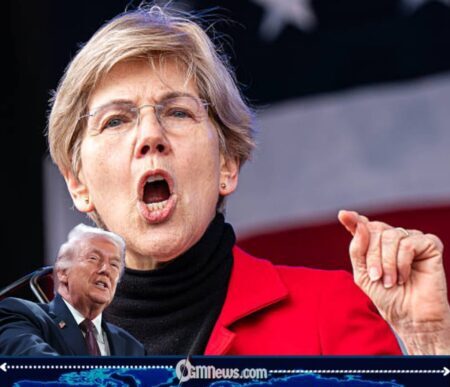
Elizabeth Warren declared, “The cost of groceries? Up. The cost of healthcare? Up. The cost of housing? Up. The cost of gasoline? Up. The cost of utilities? Up, up, up,” as she delivered a pointed critique of economic conditions under Donald Trump, the current U.S. president serving his second term. Her remarks underscored growing concerns about affordability and the strain on American households.
Elizabeth Warren further argued that despite campaign assurances to lower living costs and avoid foreign conflicts, the administration has fallen short of its promises. Her statement has intensified debate in Washington, drawing attention to the economic realities facing millions of citizens.
Escalating Cost of Living Across Key Sectors
Elizabeth Warren emphasized that rising prices are affecting nearly every aspect of daily life, from food and housing to healthcare and energy. She noted that these increases are not temporary spikes but part of a broader pattern that continues to burden families.
Elizabeth Warren highlighted that middle- and low-income households are particularly vulnerable, as they spend a greater proportion of their income on essential goods and services. According to her, this trend has significantly reduced purchasing power and financial stability.
Campaign Promises Under Scrutiny
Elizabeth Warren recalled that President Donald Trump had pledged to reduce costs and avoid new foreign conflicts during his campaign. She argued that these commitments played a key role in securing voter support.
Elizabeth Warren contended that current economic conditions contradict those promises, framing the situation as a failure of policy execution. She maintained that Americans are yet to see meaningful relief from rising expenses.
Policy Decisions and Economic Outcomes
Elizabeth Warren attributed part of the rising costs to policy decisions made by the current administration, arguing that certain fiscal and regulatory choices have contributed to inflationary pressures.
Elizabeth Warren called for stronger government intervention, including tighter regulations on corporations and expanded social programs, which she believes could help stabilize prices and support struggling households.
Political Reactions and Partisan Divide
Elizabeth Warren received backing from political allies who share concerns about the rising cost of living and its impact on constituents. Supporters argue that her remarks reflect widespread public sentiment.
Elizabeth Warren also faced criticism from supporters of President Donald Trump, who argue that global economic factors, rather than domestic policy alone, are responsible for current challenges.
Broader Economic Implications
Elizabeth Warren warned that persistent inflation could have long-term effects on the economy, influencing consumer behavior, savings, and investment patterns.
Warren noted that economic performance will remain a central issue in political discourse, particularly as public expectations for stability and affordability continue to rise.
Policy Challenges and Public Expectations
Elizabeth Warren stressed the importance of addressing rising costs through coordinated policy measures that balance inflation control with economic growth.
Warren concluded that the administration of President Donald Trump faces increasing pressure to deliver tangible improvements, as Americans continue to grapple with the realities of higher living expenses.



Logging in is a breeze and the site stability is amazing even during peak hours....