



















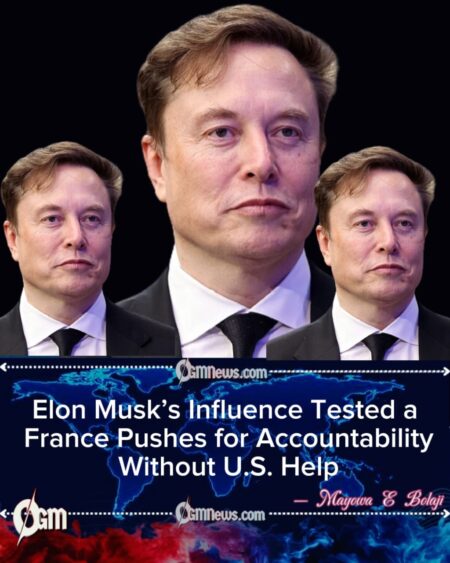
Elon Musk is at the center of a growing international legal development after the United States Department of Justice (DOJ) declined to assist French law enforcement in an investigation into his social media platform, X. The decision underscores the complexities of cross-border regulation in the digital age and highlights the challenges faced by authorities seeking cooperation on global tech oversight.
Elon Musk’s platform has come under increasing scrutiny from regulators worldwide, particularly in Europe, where stricter digital laws have been introduced. The DOJ’s refusal to cooperate adds a new dimension to the issue, raising questions about jurisdiction, legal boundaries, and the evolving relationship between governments and major technology companies.
Background of the French Investigation
Elon Musk’s company, X, has attracted the attention of French authorities, who are reportedly examining aspects of its operations within their jurisdiction. While the full scope of the investigation remains unclear, it is believed to involve compliance with European regulations on online content, transparency, and data governance.
Elon Musk’s leadership of the platform has brought significant policy and operational changes, which have, in turn, drawn increased regulatory attention. European authorities have consistently emphasized the need for accountability among global tech firms, particularly those with widespread influence over public discourse.
DOJ’s Position and Legal Considerations
Elon Musk’s case has highlighted the limits of international legal cooperation, as the DOJ opted not to provide assistance to French investigators. Such decisions are typically guided by legal frameworks that determine whether a request aligns with domestic laws and existing bilateral agreements.
Elon Musk’s situation illustrates how jurisdictional boundaries can complicate multinational investigations. Legal experts point out that cooperation is not automatic and often depends on a range of factors, including the nature of the alleged issues and the compatibility of legal standards between countries.
Role of Elon Musk and X in Global Tech Regulation
Elon Musk has played a transformative role in shaping X since acquiring the platform, implementing changes that have sparked both support and criticism. These changes have intensified global conversations about content moderation, free speech, and corporate responsibility in the digital space.
Elon Musk’s influence extends beyond business, as decisions made under his leadership have implications for millions of users worldwide. This has made X a focal point for regulators seeking to establish clearer rules for digital platforms operating across multiple jurisdictions.
Implications for U.S.–France Legal Cooperation
Elon Musk’s case may have broader implications for legal cooperation between the United States and France, particularly in matters involving technology and data regulation. The DOJ’s refusal to assist could signal differing priorities or interpretations of legal obligations between the two nations.
Elon Musk’s prominence in the tech industry adds further weight to the situation, as governments navigate how to address issues involving high-profile companies. Maintaining effective cooperation while respecting national legal systems remains a key challenge for both countries.
Political Context and the Trump Administration
Elon Musk’s situation is unfolding during the administration of Donald Trump, who is currently serving a second term. The administration’s broader approach to international cooperation and regulatory policy may influence how such cases are handled.
Elon Musk’s case reflects the intersection of politics, law, and technology, where decisions by governments can shape the regulatory environment for global companies. Observers note that the current political climate may affect future cooperation on similar investigations.
Navigating Global Regulation of Digital Platforms
Elon Musk’s case highlights the ongoing challenges of regulating global digital platforms in an increasingly interconnected world. As countries continue to refine their legal frameworks, the need for coordinated approaches becomes more evident.
Elon Musk’s platform will likely remain under scrutiny as regulators seek to balance innovation with accountability. The outcome of this situation could influence how future cross-border investigations are conducted and how governments collaborate in addressing the complexities of the digital economy.


Logging in is a breeze and the site stability is amazing even during peak hours....