









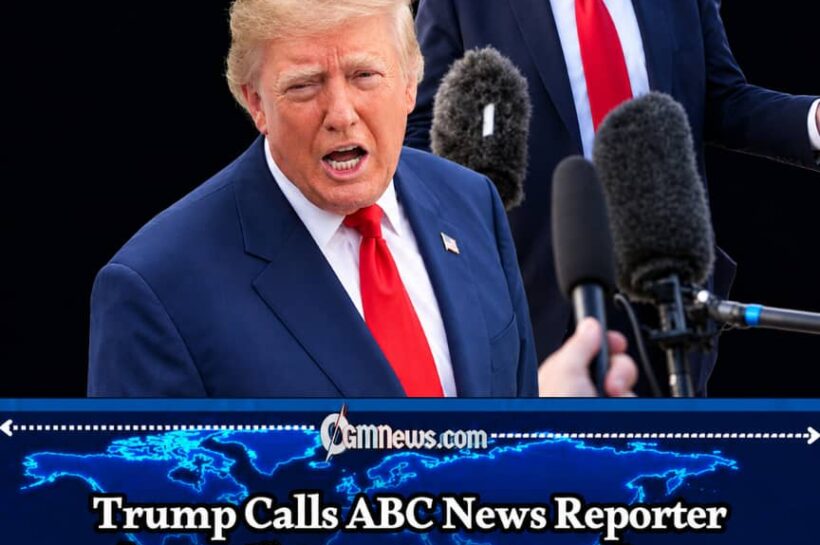



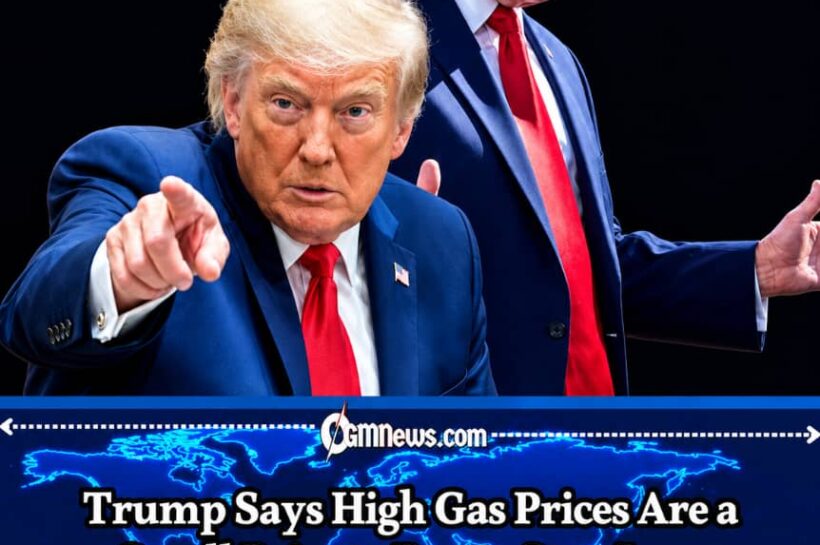





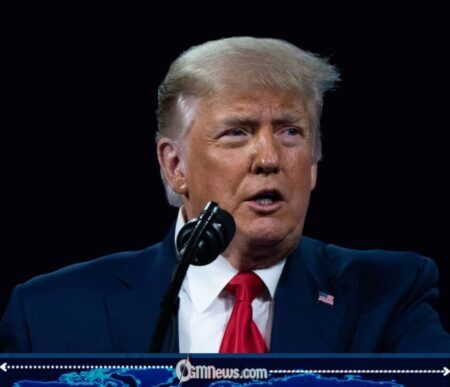
U.S. President Donald Trump has acknowledged that gasoline prices could remain elevated or even rise further by November, reflecting ongoing uncertainty in global energy markets. The remarks, made amid heightened geopolitical tensions, mark a notable moment in the administration’s public messaging on economic conditions.
While President Donald Trump framed the issue within the broader context of international developments, the statement has quickly drawn attention from political observers, economists, and voters alike, given the significance of fuel prices in shaping public sentiment ahead of upcoming elections.
Trump’s Remarks: A Candid Assessment of Energy Trends
President Donald Trump indicated that gasoline prices may not decline in the near term, suggesting they could remain at current levels or increase slightly by November. The acknowledgment reflects growing recognition of the challenges facing energy markets.
The comments come at a time when global oil supply remains under pressure due to disruptions linked to tensions involving Iran and the strategic Strait of Hormuz. Analysts note that such factors often limit the ability of governments to rapidly influence fuel costs.
By addressing the issue directly, Donald Trump offered a more measured assessment than previous optimistic projections, highlighting the complexity of managing energy prices during periods of geopolitical uncertainty.
Global Factors Driving Fuel Price Volatility
Energy markets have experienced significant volatility in recent weeks, driven largely by concerns over supply disruptions. The Strait of Hormuz, a critical route for global oil shipments, has become a focal point of these concerns.
Any instability in the region can have immediate ripple effects on oil prices, which in turn influence gasoline costs in the United States and around the world. Shipping delays, higher insurance costs, and reduced supply have all contributed to upward pressure on prices.
Economists emphasize that these factors are largely beyond the control of any single government, underscoring the interconnected nature of global energy systems.
Economic Impact on Consumers and Businesses
Rising gasoline prices have direct implications for households and businesses, affecting transportation costs, supply chains, and overall inflation. For many consumers, fuel expenses represent a significant portion of monthly budgets.
Businesses, particularly those reliant on transportation and logistics, may face increased operational costs, which can be passed on to consumers. This dynamic can contribute to broader inflationary pressures across the economy.
President Donald Trump’s acknowledgment of potential price increases reflects awareness of these economic realities and their potential impact on public sentiment.
Political Implications Ahead of Elections
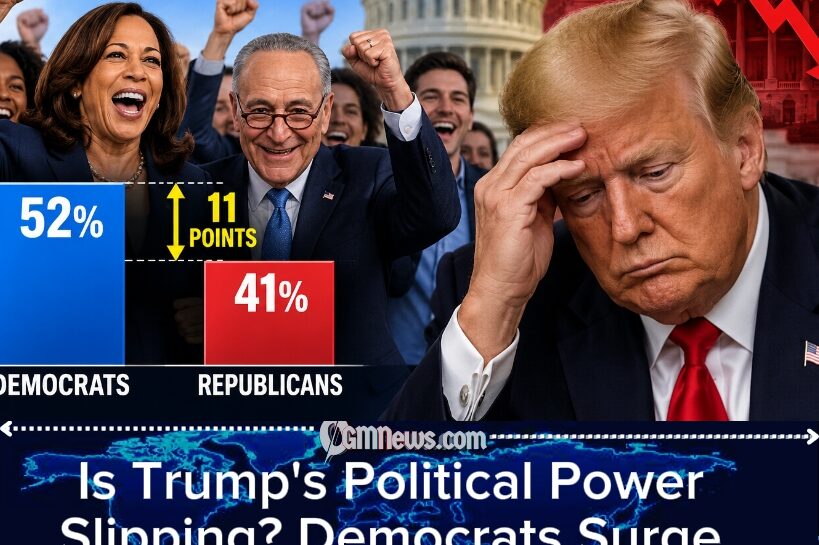
Fuel prices have historically played a significant role in shaping voter perceptions, making them a key issue in the political landscape. President Donald Trump’s remarks come as parties prepare for upcoming electoral contests, where economic performance is likely to be a central theme.
Some political analysts suggest that sustained high fuel costs could influence voter behavior, while others caution that elections are shaped by a wide range of factors beyond energy prices alone.
The discussion surrounding gasoline prices has already become part of broader political messaging, with different groups offering contrasting interpretations of the situation.
Balancing Expectations and Market Realities
Managing public expectations during periods of economic uncertainty presents a challenge for policymakers. President Donald Trump’s comments indicate an effort to balance optimism with realism in addressing the issue of fuel prices.
Experts note that while short-term fluctuations are common, long-term trends will depend on a combination of geopolitical developments, production levels, and market dynamics.
As the situation evolves, both policymakers and consumers will be closely monitoring energy markets for signs of stabilization or further volatility.
Looking Ahead: A Complex Outlook for Energy and Politics
The acknowledgment that gasoline prices may remain high or rise by November highlights the challenges facing global energy markets and their intersection with domestic politics. President Donald Trump’s remarks underscore the importance of addressing economic realities while navigating a complex international environment.
As developments continue to unfold, the trajectory of fuel prices will remain a key factor influencing both economic conditions and political discourse in the months ahead.


Logging in is a breeze and the site stability is amazing even during peak hours....