

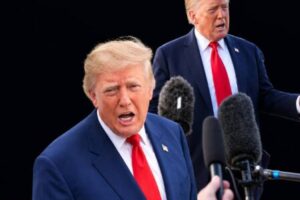



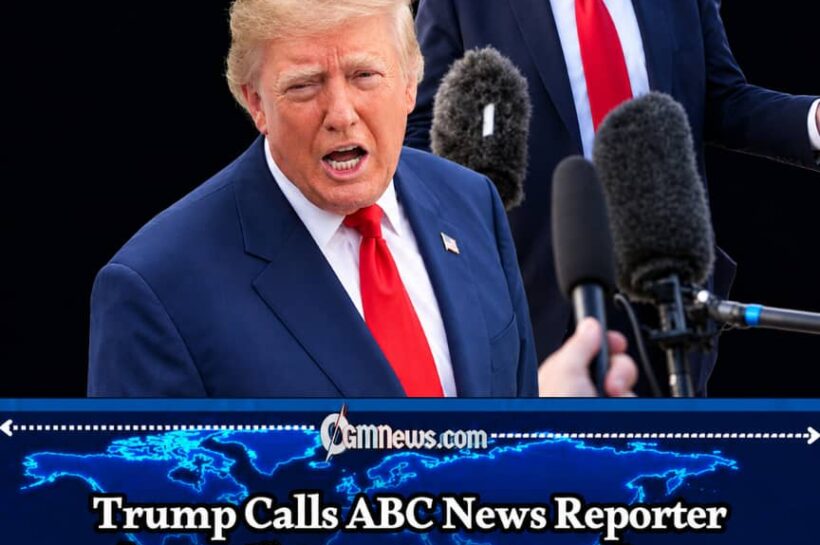



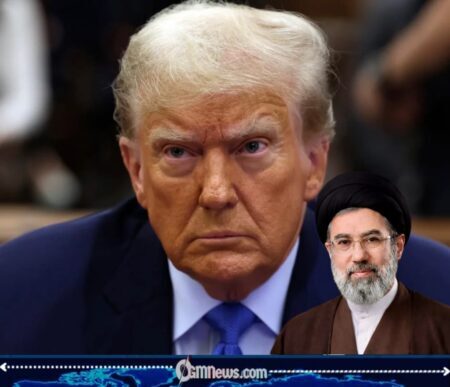
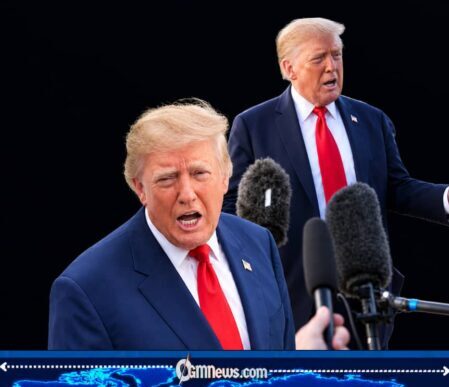
Donald Trump has placed himself at the center of international attention following a statement in which he echoed Israeli Prime Minister Benjamin Netanyahu, saying, “as Bibi Netanyahu said, we’re the big brother and they’re the small brother.” The comment reflects a strong and assertive tone in U.S. foreign policy, reinforcing perceptions of American dominance on the global stage.
The remark has sparked widespread discussion among diplomats, analysts, and political observers, with many examining its implications for international relations. While some interpret the statement as a reaffirmation of U.S. leadership, others see it as a departure from more balanced diplomatic language traditionally used in global affairs.
Donald Trump and the Assertion of U.S. Power
Trump’s statement underscores his administration’s emphasis on projecting strength and authority in international relations. By adopting the “big brother” analogy, Trump signals a worldview in which the United States maintains a dominant and guiding role among its allies.
This approach aligns with Trump’s broader political philosophy, which prioritizes national interest and strategic influence.
Supporters argue that such clarity reinforces America’s position as a global leader, while critics question whether it risks oversimplifying complex diplomatic relationships.
Donald Trump’s Alignment with Israel
The reference to Benjamin Netanyahu highlights the close relationship between Washington and Tel Aviv. Trump’s endorsement of Netanyahu’s phrasing signals continued solidarity between the two nations on key geopolitical issues.
Historically, U.S.-Israel relations have been characterized by strong cooperation in defense, intelligence, and economic matters. Trump’s statement reinforces this partnership, though its tone may invite scrutiny from other global actors who advocate for more balanced diplomatic engagement.
Reactions to Donald Trump’s Statement
Global responses to Trump’s remarks have been mixed. Some allied nations have chosen to downplay the statement, focusing instead on maintaining stable diplomatic ties with the United States.
However, critics in various regions have expressed concern that the “big brother” framing could be perceived as dismissive or hierarchical. Such interpretations may influence how other countries engage with Washington in both bilateral and multilateral settings.
Donald Trump and Diplomatic Language
Diplomatic experts have noted that Donald Trump’s choice of words marks a shift from conventional diplomatic tone. Traditionally, international communication emphasizes mutual respect and equality among nations.
By contrast, the language used by Trump introduces a more direct and hierarchical perspective. While some view this as a realistic acknowledgment of global power structures, others argue that it may complicate diplomatic efforts and negotiations.
Domestic Debate Around Donald Trump’s Remarks
Within the United States, Trump’s statement has generated debate across political lines. Supporters see it as a bold and honest articulation of America’s global position, consistent with his leadership style.
Opponents, on the other hand, have raised concerns about the potential impact on America’s international image. They argue that such rhetoric could affect alliances and reduce the effectiveness of cooperative initiatives on global issues.
What Lies Ahead for Donald Trump’s Foreign Policy
As Trump continues his second term, the long-term implications of his rhetoric remain a key point of interest. Observers will be watching closely to see how statements like this translate into concrete policy decisions.
Ultimately, the significance of Trump’s “big brother” remark will depend on how it shapes U.S. engagement with the rest of the world. Whether it strengthens America’s leadership role or introduces new diplomatic challenges will become clearer in the months ahead.

Logging in is a breeze and the site stability is amazing even during peak hours....