

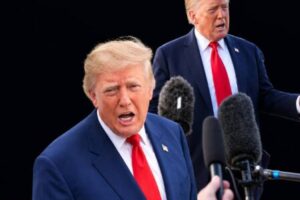










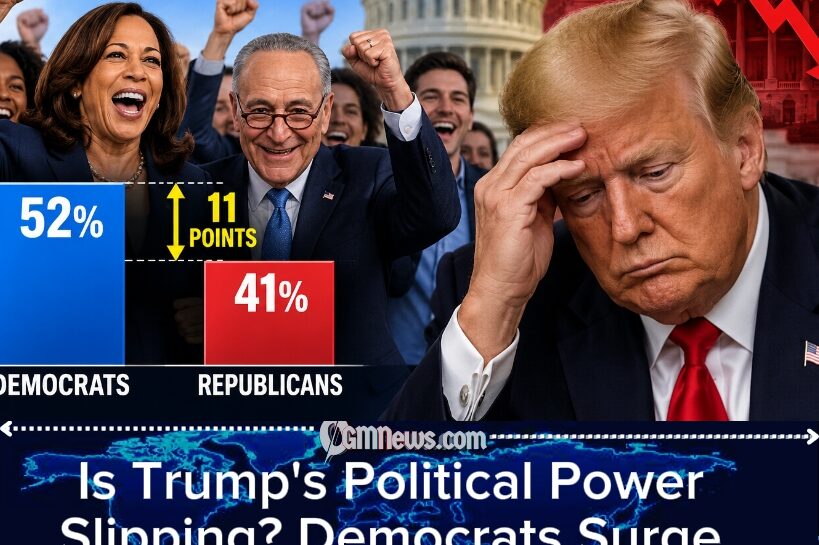

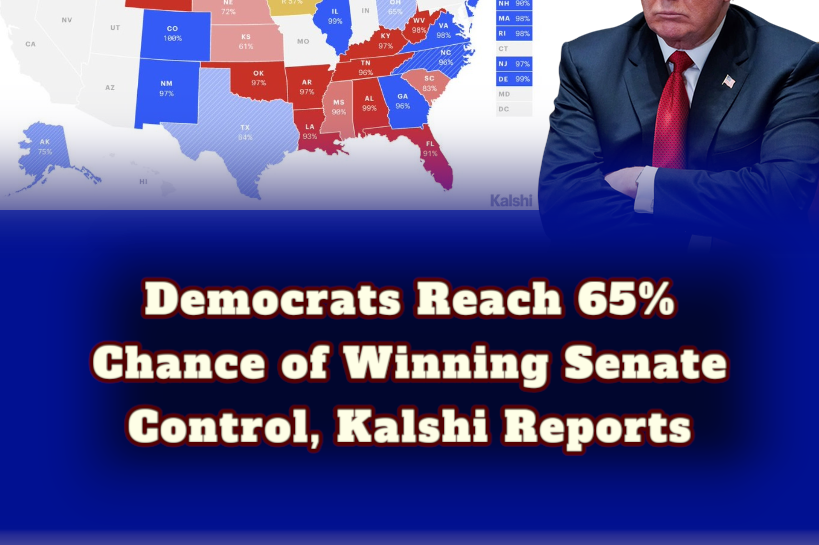







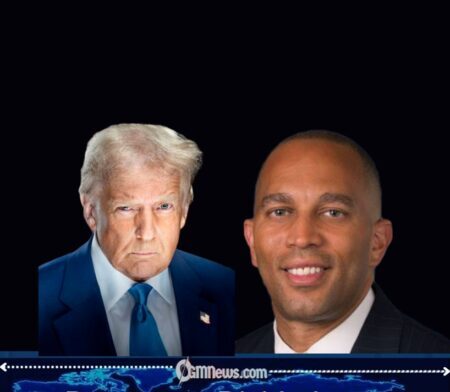
The Democrats is facing a strategic divide over whether efforts to remove current U.S. President Donald Trump from office should become part of its midterm election message, or whether such moves risk distracting voters from more immediate concerns such as inflation, healthcare, immigration, and household affordability.
After months of maintaining a disciplined focus on economic issues, internal debate intensified following Trump’s threats against Iran, controversial social media posts portraying himself in religious imagery, and remarks aimed at the pope. While some Democrats argue that these actions justify stronger constitutional responses, others insist the party’s best path to victory lies in emphasizing everyday economic struggles rather than another battle centered on Trump.
Growing Support for Constitutional Action
Momentum has grown among some House Democrats behind Representative Jamie Raskin’s proposal to strengthen implementation of the 25th Amendment through the creation of a commission to evaluate a president’s capacity to discharge official duties. As of last week, 84 House Democrats—nearly 40 percent of the caucus—had signed onto the measure.
Supporters argue the proposal reflects growing voter unease about Trump’s recent conduct. Representative Mark Pocan of Wisconsin said many Americans are struggling to understand the president’s rhetoric and behavior, suggesting the issue resonates beyond Washington politics.
For lawmakers aligned with this view, the debate is less about partisan confrontation and more about institutional safeguards. They contend Congress should not ignore conduct they believe raises questions about presidential judgment.
Party Moderates Warn Against Political Distraction
A larger bloc of Democrats, however, fears that focusing on impeachment or removal efforts could weaken the party’s broader campaign strategy. They note that Democrats previously impeached Trump twice during his first term, only for him to be acquitted in the Senate and later returned to office for a second term.
Moderates argue voters are more concerned with living costs than constitutional clashes. Representative Rosa DeLauro of Connecticut acknowledged concerns about Trump’s conduct but said her focus remains on the economy, healthcare, and grocery prices.
Representative Henry Cuellar of Texas echoed that view, saying affordability and immigration enforcement issues matter more directly to his constituents. He suggested another impeachment push would likely meet the same fate in the Senate and consume political energy better spent elsewhere.
Economy Emerges as Democrats’ Strongest Weapon
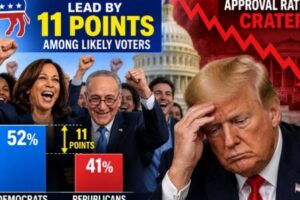
Recent polling suggests Democrats may hold an advantage when campaigns center on cost-of-living concerns. A Reuters/Ipsos survey found that 77 percent of registered voters believe Trump bears at least some responsibility for rising gas prices after the U.S. and Israel launched military action against Iran.
Democratic strategists increasingly believe inflation, wages, housing costs, and healthcare offer clearer paths to persuading independent and swing voters than renewed attempts to remove the president. These issues have also helped Democrats post strong results in special elections since early 2025.
Economic data has further sharpened the debate. Trump campaigned in 2024 on promises to lower prices, yet inflation reportedly rose to 3.3 percent year-over-year in March, up from 2.4 percent in February. Democrats see such figures as politically potent.
Progressives Face Pressure From the Left
While centrists urge caution, some Democratic incumbents face pressure from younger and more progressive challengers who want a tougher stance toward Trump. In some districts, calls for impeachment remain popular with activist voters and grassroots organizers.
Representative John Larson of Connecticut introduced 13 articles of impeachment against Trump earlier this month. The allegations include claims of overstepping congressional war powers, constitutional violations, and personal enrichment through office.
For some vulnerable incumbents, supporting tougher action may help energize the Democratic base. But party leaders remain wary of allowing internal ideological contests to shape the national message.
Republican Response and Counterattack
Republicans have welcomed signs that Democrats may again make Trump the centerpiece of campaign messaging. GOP strategists argue such a move would allow Republicans to claim they are focused on the economy while Democrats remain consumed by partisan opposition.
House Speaker Mike Johnson has already accused Democrats of preparing for another impeachment effort without clear justification. Such messaging is designed to appeal to independents who may be fatigued by years of political confrontation.
Republicans also hope that in competitive states such as Ohio, Alaska, and North Carolina, impeachment-focused rhetoric could alienate moderates needed for Democratic victories.
Red-State Democrats Choose a Different Strategy
Democrats competing in conservative-leaning states appear especially cautious. Former Senator Sherrod Brown, seeking to reclaim his Ohio seat, has largely ignored debates about removing Trump and instead focused on what he calls a rigged system hurting workers and farmers.
Brown’s campaign has emphasized utility costs, wages, and fairness in the economy—issues with broader bipartisan appeal. Similar calculations are expected in Alaska and other battleground states where anti-Trump rhetoric alone may not be enough to win.
Political analysts say these races could determine whether Democrats continue prioritizing practical concerns or shift toward a sharper confrontation with the White House.
A Party at a Strategic Crossroads
As campaign season intensifies, Democrats must decide whether Trump himself should be the central issue—or whether the stronger argument is that his policies have made life more expensive for ordinary Americans.
The party’s dilemma reflects a broader political question: do voters want accountability battles in Washington, or solutions to everyday financial pressures? The answer could shape not only the midterms, but the balance of power in Congress.

Logging in is a breeze and the site stability is amazing even during peak hours....