








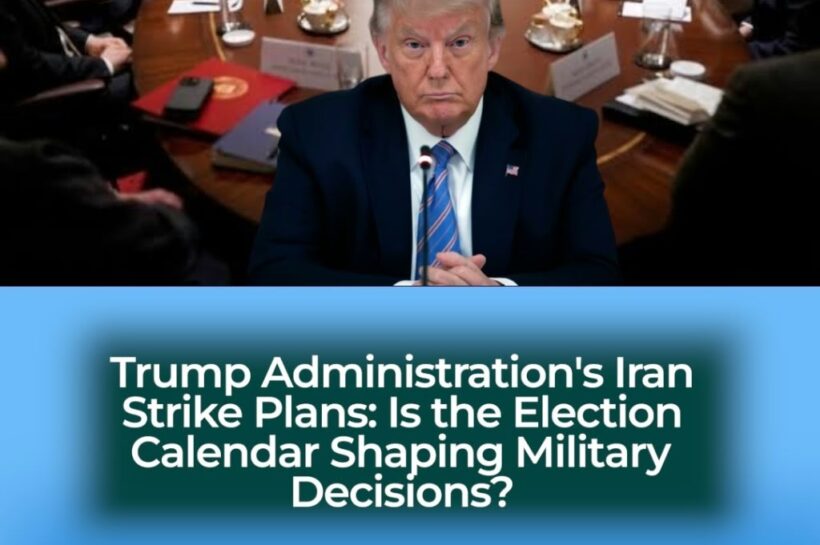




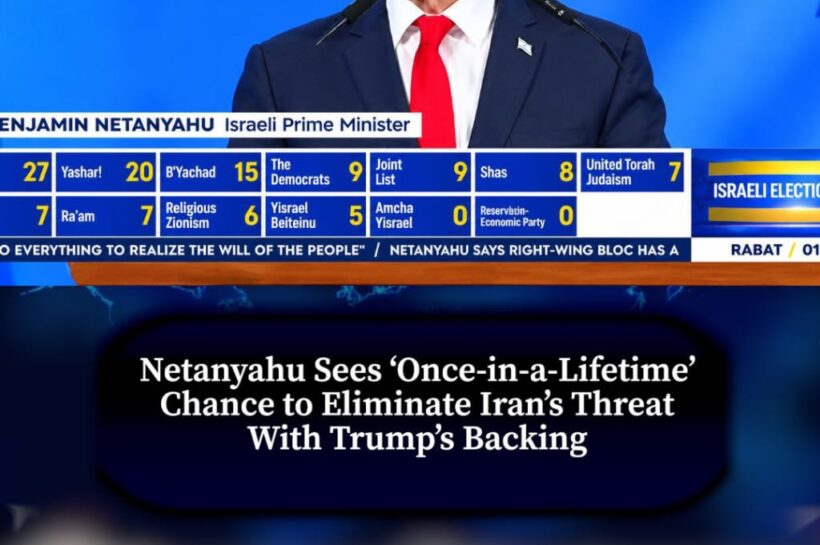

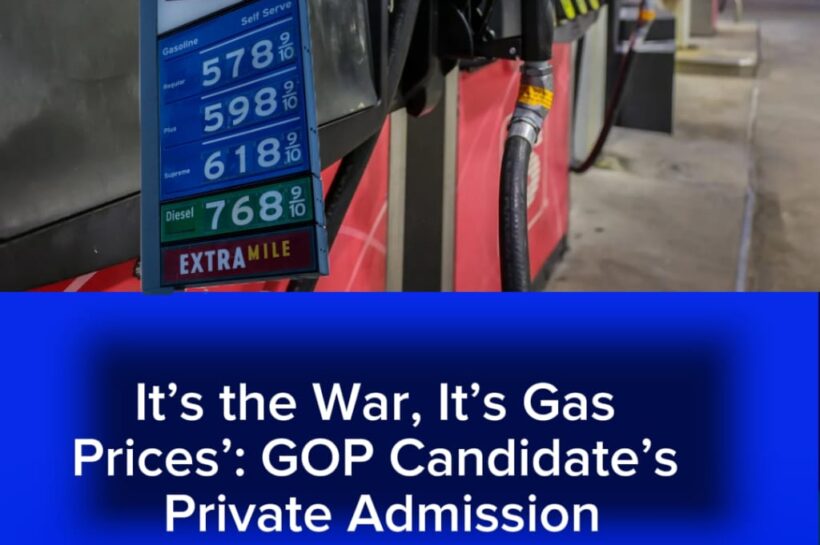




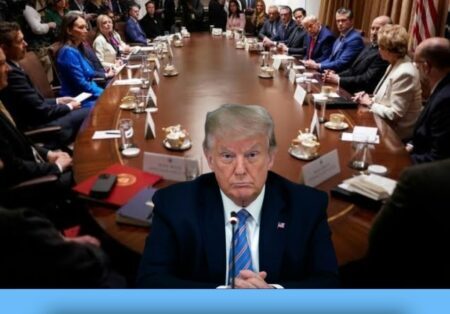
The Trump administration is reportedly considering a military strike on Iran after next week’s US midterm elections, raising fresh questions about Washington’s next steps in an already tense confrontation with Tehran. If the reported plan reflects genuine policy discussions, the timing could place national security, electoral politics and the risk of a wider regional conflict under renewed scrutiny. For now, the reported scenario should be treated as an allegation awaiting independent confirmation, rather than an established military decision.
Trump Administration’s Reported Strategy Raises Questions About Timing
The Trump administration is facing a difficult balancing act between its approach to Iran and the political atmosphere surrounding the midterm elections. A military operation could have consequences far beyond the battlefield, potentially affecting regional stability, energy markets and relations with US allies. The suggestion that action might come after the elections is particularly significant because it invites questions about the relationship between domestic political considerations and foreign policy decisions.
For observers, the central question is whether the reported timing reflects an actual operational timetable, ongoing contingency planning or speculation about what Washington might do next. Governments routinely examine military options during periods of international tension, but considering a possible operation is not the same as authorizing or carrying it out. Until credible evidence clarifies the situation, claims about the Trump administration’s intentions require careful scrutiny.
Iran Tensions Could Turn Political Speculation Into a Global Concern
The Trump administration‘s reported consideration of military action also raises concerns about how Tehran might respond to any attack. Even a limited strike could trigger retaliation, increase pressure on US forces and partners in the region, or disrupt important shipping and energy routes. The consequences would depend on the targets, the scale of any operation and the responses of the parties involved. A scenario that begins as a limited military action could become significantly more complicated if either side escalates.
Meanwhile, the timing has created an opening for political debate, with critics potentially questioning whether electoral considerations could influence the administration’s decisions. Supporters may argue that military planning should be guided by security assessments rather than election calendars. However, without independently verified reporting or an official announcement confirming the alleged plan, neither the existence of a final decision nor its supposed timing should be presented as fact. The distinction between a reported possibility and a confirmed order remains essential.
In conclusion, the Trump administration’s reported plans for a possible strike on Iran after the US midterm elections warrant attention, but the allegation still requires reliable confirmation. With the stakes potentially extending from American politics to regional security and global energy markets, readers should watch for verified statements and credible developments. OGM News will continue monitoring the story and providing updates as more information becomes available.


Getting the mobile version installed was actually painless for once and now I can track...