
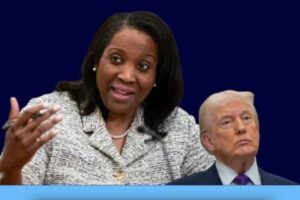







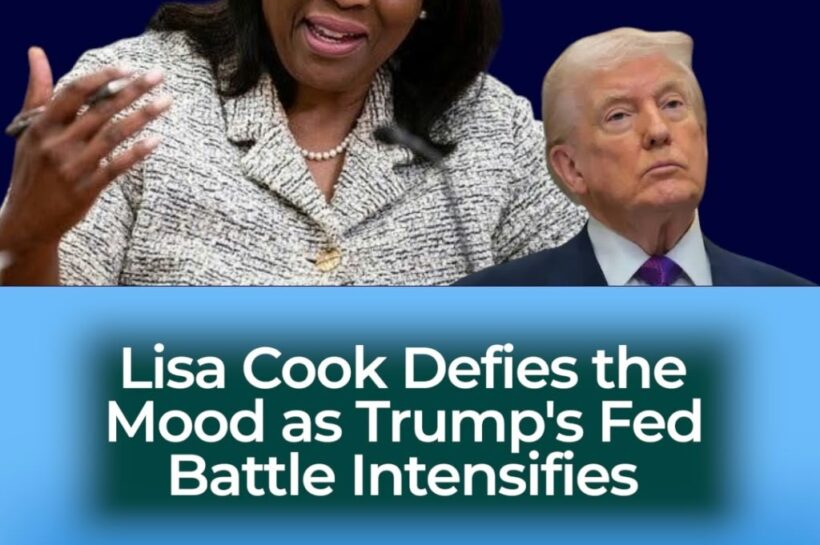













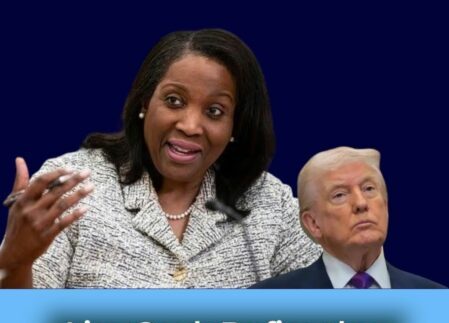
The Federal Reserve’s decision to keep interest rates unchanged has brought renewed attention to Governor Lisa Cook, whose ongoing confrontation with President Donald J. Trump has become a major test of the central bank’s independence. According to the supplied report, Lisa Cook dissented from the decision, adding another layer of tension to an institution already facing political scrutiny. With inflation concerns weighing on the economy and borrowing costs remaining a sensitive issue for American households, the latest development raises questions about the future direction of monetary policy and the pressures surrounding those responsible for setting it.
Lisa Cook’s Dissent Adds Another Twist to Trump’s Federal Reserve Dispute
Lisa Cook’s reported dissent comes against the background of President Trump’s prolonged effort to remove her from the Federal Reserve Board. In August 2025, Trump attempted to dismiss Cook over allegations involving mortgage applications. Cook challenged the move in court, denying wrongdoing, and the Supreme Court ruled in June 2026 that she could remain in office while the legal dispute continued because the administration had not provided the required process before attempting to remove her.
The confrontation has since taken another turn. In October 2026, Trump established a committee to investigate the allegations and assess whether there were grounds for Cook’s removal. Her legal team questioned the committee’s impartiality, arguing that the process raised concerns about whether she would receive a fair hearing. Against this backdrop, Lisa Cook’s reported dissent at the latest rate-setting meeting adds fresh significance to the debate over whether monetary policy decisions can remain insulated from political pressure.
Interest Rates Stay Put as Economic and Political Pressures Mount
The Federal Reserve’s decision to hold rates steady comes as policymakers weigh persistent inflation against the risk of placing additional pressure on households and businesses. Recent reporting before the announcement indicated that officials were expected to leave the benchmark rate unchanged, while investors remained alert to signals about a possible rate increase in December. The decision matters because interest rates influence borrowing costs for mortgages, credit cards, car loans and business financing.
For the public, the policy debate is about more than a disagreement inside a meeting room. A prolonged period of elevated rates can make borrowing expensive, while easing monetary policy too quickly can risk allowing inflation to persist. Lisa Cook’s reported dissent therefore adds another point of interest to an already delicate decision, although the precise reasoning behind her vote should not be assumed without confirmation from the official meeting statement. In Washington, where the dispute over her position continues, even a technical policy disagreement can carry wider political significance.
As the Federal Reserve navigates inflation, economic uncertainty and mounting questions about its independence, Lisa Cook remains at the centre of a consequential institutional battle. Whether her reported dissent signals a deeper division among policymakers or simply a disagreement over the appropriate timing of monetary action remains to be seen. Readers should watch for further developments, including the official explanation of the vote and the next stage of the dispute involving President Trump and Lisa Cook. OGM News will continue following the story as new details emerge.

If you are mad at me, just curse me out