

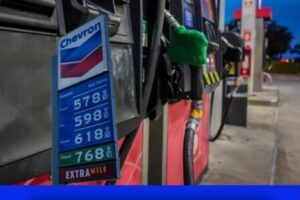





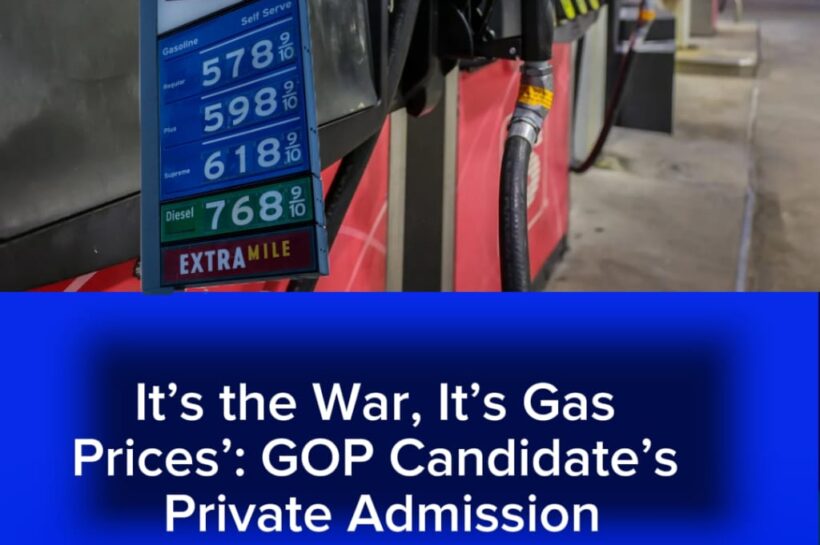




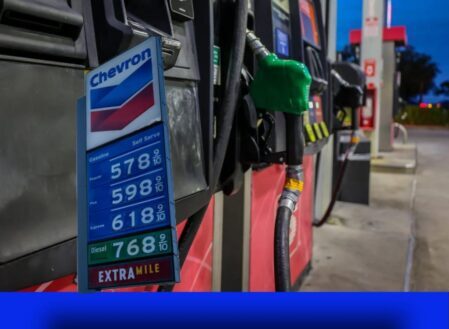
America’s fuel-price crisis is becoming an increasingly uncomfortable political problem for President Donald J. Trump, as gasoline averages $4.27 per gallon and diesel remains painfully expensive at $6.35. With the November 3 midterm elections approaching, Republicans are facing a difficult question: how do they defend the president’s handling of the nearly eight-month Iran war when motorists, farmers and truckers are paying the bill at the pump? The conflict, which Trump has reportedly described as a “little detour,” is threatening to become a major roadblock for Republican candidates hoping to retain political support.
The numbers tell a story that campaign slogans cannot easily erase. Regular gasoline averaged $2.81 per gallon in January, according to the figures supplied, while diesel recently reached $6.52 before easing slightly. Although America previously experienced a higher gasoline peak of $5.02 per gallon in June 2022 under former President Joe Biden, a comparison of average prices across the two administrations reportedly places gasoline marginally higher during Trump’s second term. For drivers already struggling with the cost of living, the distinction between a historical peak and the price they pay today offers little comfort.
The ‘Little Detour’ That Is Becoming a Political Roadblock For President Trump
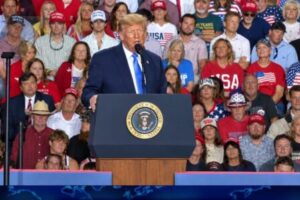
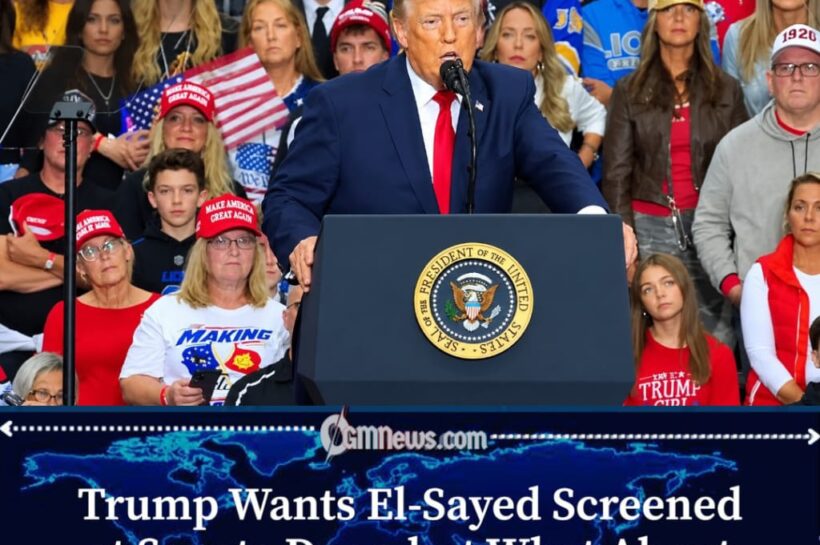
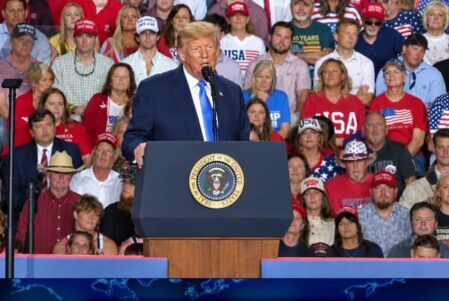
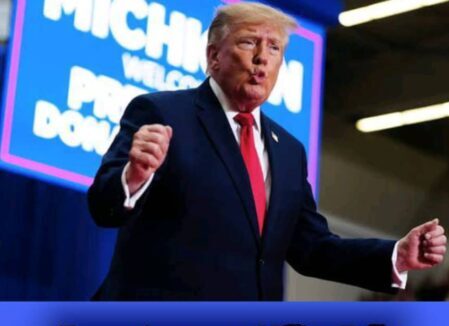
Trump has attempted to downplay the economic consequences of the conflict, reportedly telling supporters at a Michigan rally that higher gasoline prices were a “small price to pay.” That explanation may sound manageable from a presidential podium, but it becomes less persuasive when Americans are watching their household budgets disappear into fuel tanks. A war that was initially expected to end within weeks has instead dragged on for months, intensifying concerns about energy costs and the wider economic consequences.
The political danger is becoming increasingly visible. An AP-NORC poll cited in the supplied report found that voters across party lines wanted the next Congress to prioritise reducing everyday costs and ending the war. For Republicans, that creates an awkward campaign dilemma: defend the president’s foreign policy or acknowledge the frustration of voters who want cheaper fuel and greater economic stability. In an election season, even a small phrase such as “little detour” can become a large target for opponents armed with receipts from petrol stations.
Republicans Feel the Heat as Candidates Question the Cost
Texas Republican Senate candidate Ken Paxton reportedly identified the war and rising fuel prices as factors dragging down his campaign during a private fundraising lunch in Washington, DC, on September 24. According to the supplied account of audio obtained by Axios, Paxton rejected tariffs as the principal explanation and instead pointed to the conflict, gasoline prices and diesel costs. The reported remarks suggest that concern over the war extends beyond Democratic campaign messaging and into Republican political calculations.
The pressure is also affecting agricultural politics. Iowa Republican Senate candidate Ashley Hinson reportedly expressed concern about an arrangement involving temporary licences for Russian diesel imports, while proposing other measures to ease the burden on farmers and truckers. Her suggestions included strengthening domestic refining capacity, temporarily suspending the federal gas tax and considering a diesel rebate programme. The proposals highlight the difficult choices facing the administration: international energy arrangements may offer short-term relief, but they can also create political controversy among Republicans who want a more durable solution.
As November 3 approaches, the fuel-price dispute could become a referendum on whether voters believe the administration’s foreign policy is worth its domestic economic cost. Trump may continue describing the Iran conflict as a “little detour,” but Republican candidates cannot simply steer around questions about gasoline, diesel and household expenses. The coming weeks will reveal whether the administration can ease the pressure or whether rising fuel costs will become a defining vulnerability for the GOP. Stay with OGM News for further updates on the unfolding political and economic story.
If you are mad at me, just curse me out