







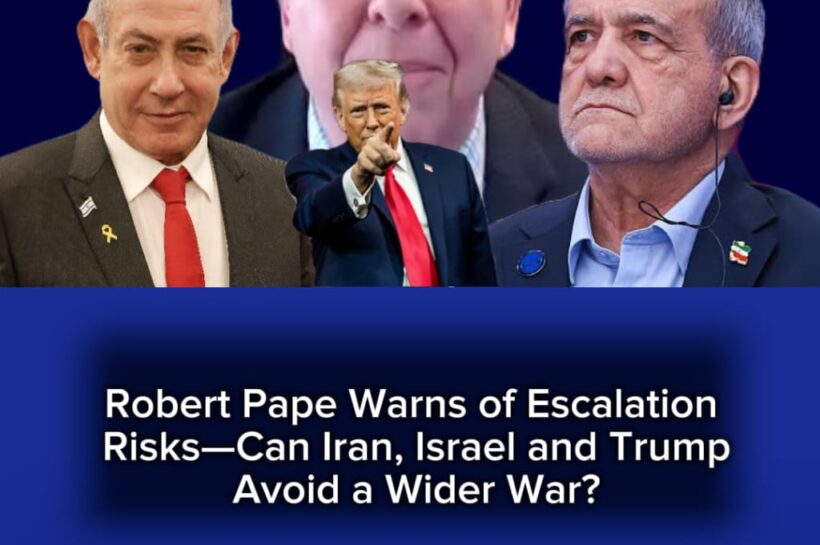







Robert Pape, University of Chicago political science professor has warned that the ongoing conflict involving Iran, Israel and the United States could enter a more dangerous phase as political pressures intensify around upcoming elections. His analysis highlights the risk that decisions made by Washington, Tehran and Tel Aviv could deepen the confrontation rather than bring it closer to a resolution.
Robert Pape argues that the interaction between military strategy and domestic political interests could make the situation increasingly difficult to control. With the US midterm elections approaching on November 3, 2026, his warning raises questions about whether political calculations could influence decisions with far-reaching consequences for American security and the wider Middle East.
Robert Pape Warns of a Dangerous Escalation
Robert Pape has repeatedly cautioned that military escalation can create a cycle in which each side responds to an opponent’s actions with further retaliation. In his analysis of the Iran conflict, he argues that the use of military force to pressure an adversary can produce unintended consequences, including stronger resistance and additional demands for military action.
The professor’s concerns extend beyond the immediate confrontation between Iran and Israel. A wider escalation could threaten regional stability, increase pressure on American military resources and complicate Washington’s efforts to achieve its strategic objectives. His warning underscores the difference between achieving short-term military gains and securing a lasting political outcome.
Trump Faces Difficult Choices as US Elections Approach
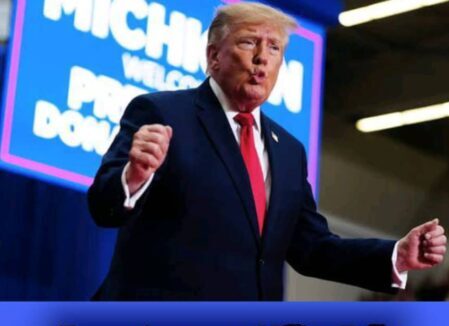
Robert Pape has argued that domestic political pressures could influence President Donald Trump’s decisions concerning the conflict. As the midterm elections approach, the administration faces competing considerations involving military strategy, public opinion, economic pressures and its political standing at home.
Recent reporting has also highlighted concerns about the possibility of renewed US and Israeli strikes against Iran after the American midterm elections. Although the timing and scope of any further military action remain uncertain, the reports have intensified debate over whether the conflict could enter another phase of confrontation. The White House has stated that the United States would not attack Iran before the November 3 elections.
Iran and Israel Could Push the Conflict Further
Iran and Israel have their own security calculations and political priorities, making the prospect of de-escalation complicated. Actions intended to deter an opponent or demonstrate military strength could provoke retaliation, increasing the risk of a wider confrontation involving additional regional actors.
Robert Pape’s analysis suggests that the danger lies in the interaction of these competing decisions. If neither side believes it can afford to show restraint, the conflict could become increasingly difficult to contain. For the United States, the consequences could include further military commitments, economic uncertainty and heightened security risks across the region. These remain potential outcomes rather than inevitable developments. Robert Pape’s warning highlights the growing challenge of managing a conflict in which military decisions, national security concerns and domestic politics are closely connected. While the actions of Iran, Israel and the Trump administration will shape what happens next, the possibility of further escalation makes diplomatic efforts and clear strategic objectives increasingly important.
The central question is whether the parties can prevent political and military pressures from turning the confrontation into a broader regional crisis. OGM News will continue to follow developments surrounding Iran, Israel, President Donald Trump and the implications of the conflict for American and international security.
If you are mad at me, just curse me out