



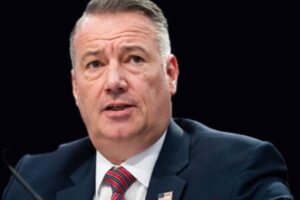




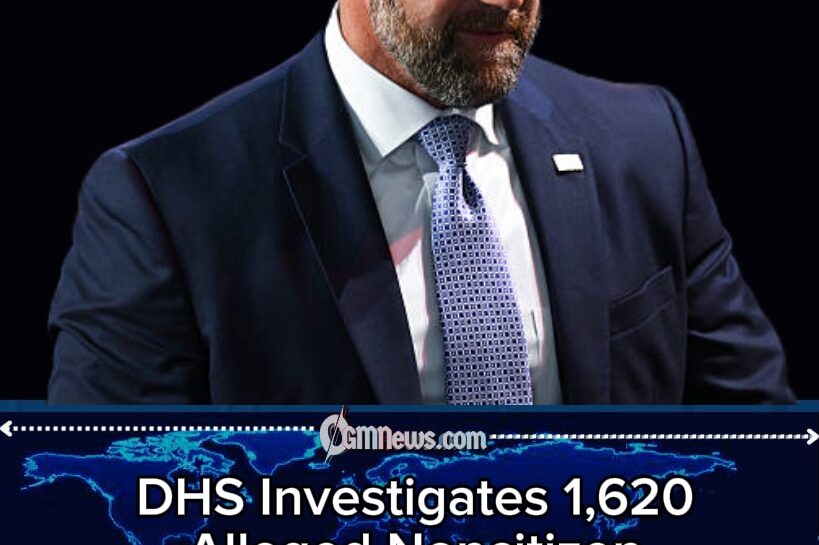










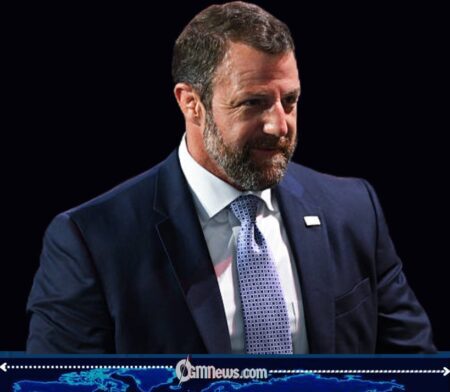
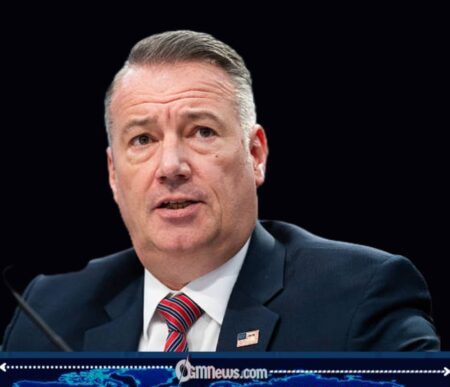
The American election-security debate has entered another high-voltage chapter after Homeland Security Secretary Markwayne Mullin said DHS currently has 1,620 open cases involving alleged illegal voting by noncitizens, alongside more than 300,000 additional cases under review, with 151 arrests already made according to his account. In a September 18 interview, Mullin said DHS would continue enforcing election and immigration laws and argued that an illegal vote effectively cancels out the vote of an eligible citizen.
1,620 Cases, 151 Arrests and a Very Large Question Mark
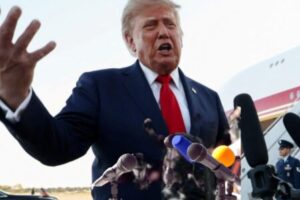
Mullin’s figures have immediately added fuel to an already heated national argument over election integrity under current President Donald Trump. The secretary’s comments describe an extensive federal investigation, but an investigation, a flagged voter record or an arrest does not automatically establish that every person involved committed voter fraud. The cases still require verification and, where charges are filed, judicial resolution.
And then there is the 300,000 figure—the number that has practically walked into the newsroom carrying its own megaphone. Mullin said DHS is looking into more than 300,000 suspected individuals and that the number is growing. Earlier administration claims about large numbers of noncitizens appearing on voter rolls have faced scrutiny, with reporting finding that some apparent matches can involve registration errors or other circumstances that do not prove that a noncitizen actually voted.
Election Rolls Become the New Federal Detective Story
The investigation comes amid a broader Trump administration campaign to identify possible noncitizen voting. DHS has previously said it identified large numbers of potentially ineligible registrations in several states, while election officials and outside experts have challenged how some of those figures were calculated. In Nevada, for example, reporting said DHS later identified far fewer confirmed cases than the preliminary number cited publicly by Mullin.
The controversy has also expanded beyond arithmetic. A whistleblower has alleged that DHS personnel were encouraged to use questionable methods to obtain voter information from state databases, allegations Mullin rejected during the September 18 interview. The secretary said such conduct was not an instruction from his department and added that any genuine problem would be addressed. Meanwhile, Virginia’s attorney general has questioned whether DHS may have violated state election laws while accessing voter information.
For now, the headline numbers are certain to keep the election-fraud debate alive, but the crucial distinction remains between suspected cases, investigations, arrests, confirmed illegal votes and convictions. As DHS continues its review and the 2026 midterm elections approach, OGM News will be watching the numbers, the evidence and the courtrooms—because in this particular political detective story, the receipts may matter even more than the headlines.

[…] […]