





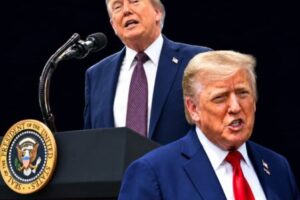





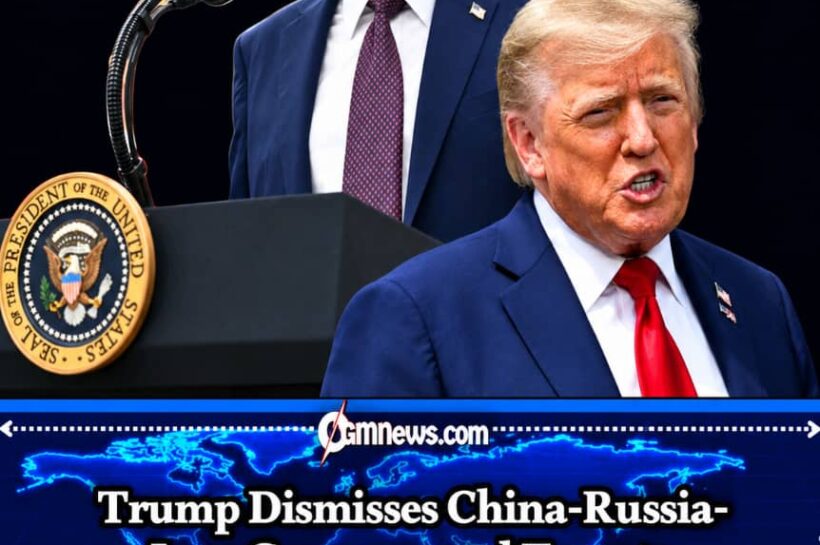











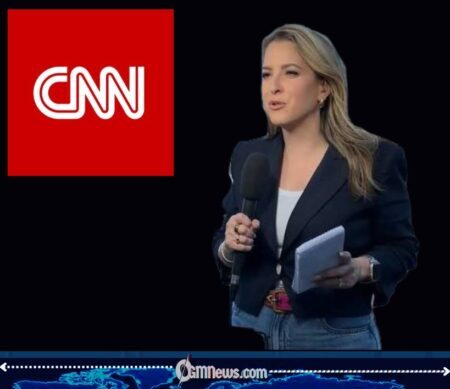
The White House has effectively turned a press-access dispute into a street-level news assignment, after President Donald J. Trump announced a ban on CNN, MS NOW and Politico and the restrictions were enforced on Saturday. Reporters from the three organisations were denied entry, with press credentials reportedly disabled or confiscated, forcing some journalists to deliver their White House coverage from outside the gates.
FROM WHITE HOUSE PRESS ROOM TO WHITE HOUSE PERIMETER
The drama began Friday when Trump announced that CNN, MS NOW and Politico would no longer be allowed to report from inside the White House, accusing the organisations of publishing what he described as “fake news.” By Saturday morning, the announcement had moved from social media to the security gate, where reporters discovered that their press badges were no longer quite as useful as they had been the previous day.
CNN senior White House reporter Betsy Klein and MS NOW correspondent Akayla Gardner both reported that they had been turned away. Gardner said a security officer told her that her badge had been disabled and that the decision was “above him.” Politico reporter Cheyenne Haslett was also denied entry and had her badge confiscated, according to reports.
For Klein, the new pressroom appeared to be somewhere between the White House fence and the nearest available patch of pavement. While she was reporting live outside the grounds, a heckler interrupted her with demands that she “tell the truth,” adding an unexpected dose of street theatre to an already extraordinary morning. Klein continued with the report rather than engaging the heckler.
The scene offered an almost cinematic illustration of the dispute: reporters who normally chase presidential news inside the building were suddenly chasing the story from outside it. In Gardner’s case, an MS NOW photographer was also denied access, while one producer reportedly managed to enter with a working credential. The White House press badge, apparently, had become a surprisingly complicated piece of plastic.
A PRESS FIGHT WITH A VERY PUBLIC AUDIENCE
Trump has defended the restrictions by saying he is tired of what he considers false or unfair reporting and has warned that other news organisations could face similar treatment. His latest move also fits into a broader and well-documented dispute between his administration and sections of the American press.
The White House Correspondents’ Association has objected to the restrictions, arguing that press access is connected not merely to journalists’ interests but to the public’s ability to receive independent accounts of government activity. CNN, MS NOW and Politico have likewise indicated that they intend to defend their journalistic and constitutional rights.
There is already precedent for the current confrontation. In 2025, the Trump administration restricted Associated Press access after the organisation declined to adopt the administration’s preferred “Gulf of America” terminology in place of “Gulf of Mexico.” The AP challenged the restrictions in court, producing a continuing legal dispute over presidential control of access to limited White House press spaces.
So, in the latest episode, the White House has the building, the Secret Service has the gates, the president has the ban, and the reporters have the sidewalk. Whether the next chapter is written in a courtroom, a briefing room or somewhere beyond the security perimeter remains to be seen. For now, the unusually public press-access confrontation has become another significant test of the relationship between the presidency, the media and the American public. Watch OGM News for future updates on this developing story.


https://addlinks.pro/xbTPt