








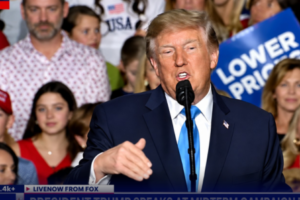


















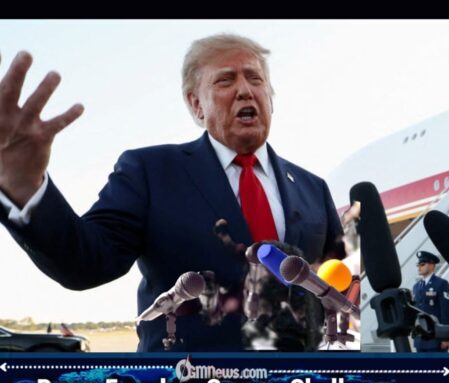
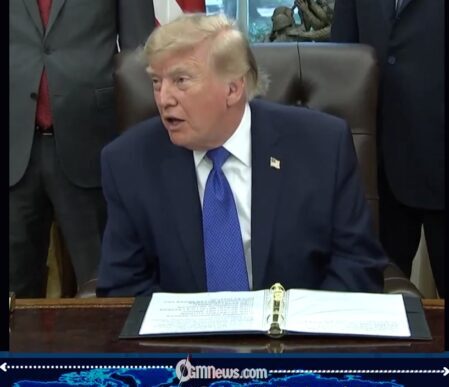
The White House has triggered another major confrontation with the American press after current President Donald J. Trump announced on Friday that CNN, MS NOW and Politico were being barred from White House access over what he described as “fake news.” The announcement immediately drew condemnation from press-freedom advocates, who argue that government access to the president cannot become a reward for favourable coverage. The precise scope and enforcement of the announced ban were initially unclear, with journalists from the affected outlets still working on White House grounds after the announcement.
Press Freedom Groups Sound the Alarm
Statements from press-freedom organisations quickly turned the White House announcement into a constitutional argument, with advocates warning that the government should not be permitted to determine which journalists can report on the president according to the tone of their coverage. Seth Stern of the Freedom of the Press Foundation described the move as an exceptionally serious First Amendment issue, while PEN America’s Tim Richardson argued that White House access should not depend on whether journalists produce coverage that pleases the administration.
Aaron Terr of the Foundation for Individual Rights in Education likewise stressed that while a president is free to criticise media coverage, press credentials should not function as prizes for political loyalty. His argument goes to the heart of the dispute: the public needs independent reporting about government, including reporting that can be uncomfortable for the people running it. The issue is therefore bigger than three news organisations; it concerns the rules governing access between the executive branch and the press.
When ‘Fake News’ Meets the First Amendment
Trump announced the ban on Truth Social, accusing CNN, MS NOW and Politico of repeatedly publishing what he called “fiction” and “lies” about him and his administration. He also suggested that other media organisations could face similar treatment. The White House announcement did not initially provide a detailed mechanism explaining precisely how the restrictions would work, and reports said journalists from the targeted organisations remained on the White House grounds afterwards.
The legal history makes the confrontation particularly significant. In the 1977 Sherrill v. Knight case, a federal appeals court held that once the White House establishes press facilities for credentialed journalists, access cannot simply be denied because of the content of their reporting; restrictions must satisfy constitutional requirements and include procedural safeguards. That precedent does not automatically settle every question surrounding the latest announcement, but it explains why the dispute has immediately attracted First Amendment scrutiny.
For now, the White House and the affected media organisations appear headed for another potentially lengthy battle over presidential authority, press access and the public’s right to independent information. The irony practically writes its own headline: the president says he wants better news, while press-freedom groups say the government’s job is not to decide what “better” journalism looks like. OGM News will continue watching this developing confrontation as the promised ban, its enforcement and any resulting legal challenges move from political announcement to possible courtroom test.

[…] […]