




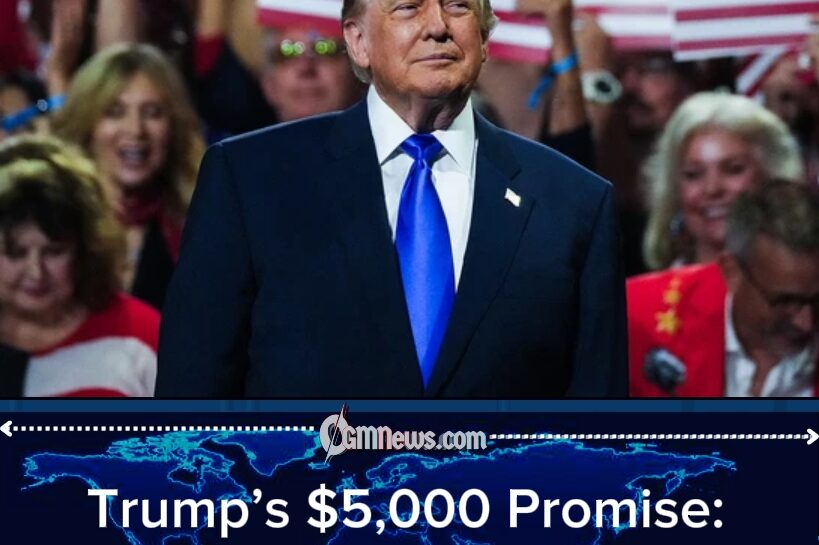







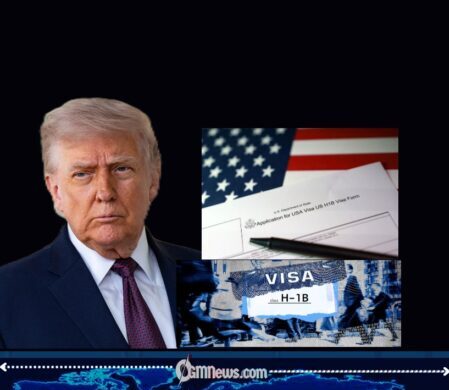
The Trump administration has proposed making a $103,265 fee for new H-1B visas permanent, turning what was once a few-thousand-dollar immigration charge into a financial hurdle that could make employers think twice before importing highly skilled foreign talent. The proposal, released Monday by the U.S. Department of Homeland Security, seeks to codify a fee that President Donald J. Trump first imposed temporarily in 2025 and comes despite a federal judge having ruled in June that the charge was illegal.
The H-1B Visa Suddenly Comes With a Six-Figure Question
The H-1B program allows U.S. employers to recruit foreign professionals for specialty occupations, including fields heavily represented in technology, education and research. The programme has an annual allocation of 65,000 regular visas plus 20,000 additional visas for qualifying workers with advanced U.S. degrees. Before Trump’s temporary increase, related fees were generally in the range of $2,000 to $5,000, making the proposed $103,265 fee a remarkable jump.
In classic Washington fashion, the policy has produced a debate in which everyone appears to have a spreadsheet proving they are right. Trump and supporters argue that the H-1B system can be abused to replace American workers with cheaper foreign labour. Business groups, meanwhile, argue that American companies need access to highly qualified workers when suitable domestic talent is unavailable. The proposed fee would not apply to renewals or to certain new H-1B beneficiaries already in the United States on student visas.
Courts Already Said “Not So Fast”
The proposal arrives while the legal battle over the fee remains alive. A federal judge blocked the Trump administration from collecting the temporary charge in June, ruling it illegal. An appeal is being considered in Boston, while other litigation has also challenged the administration’s authority to impose the measure. The U.S. Chamber of Commerce, Democratic-led states, unions and employers are among those opposing the policy.
The administration maintains that the charge is not an ordinary tax but an immigration measure linked to presidential authority to restrict the entry of foreign nationals considered detrimental to U.S. interests. Opponents counter that immigration law does not give the president or Homeland Security unlimited power to override the statutory H-1B programme or create revenue-generating charges without congressional authorization. With the temporary fee due to expire in September, the proposed rule could keep the courtroom lights on well into the year.
The bigger picture is equally significant: H-1B demand has already fallen amid the administration’s broader immigration restrictions, with employers registering about 344,000 applicants last year—more than 25% below 2024 and less than half the 794,000 sought in 2023. The administration has also pursued enhanced vetting and a selection system designed to favour higher-skilled and better-paid workers. For now, the proposed $103,265 fee remains a proposal rather than a final rule, but the immigration and business communities have plenty of reason to watch what happens next. OGM News will continue following the legal, political and economic fallout as the battle over America’s high-skilled-worker visa programme moves forward.


[…] […]