


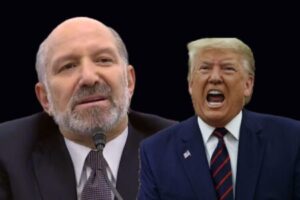








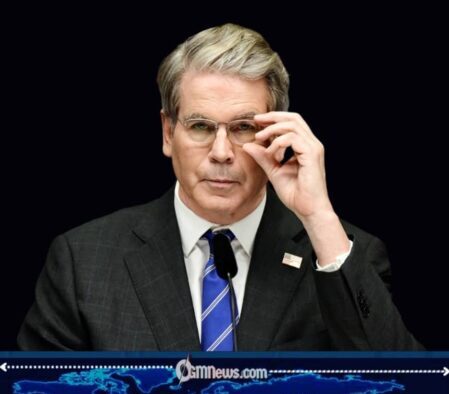
U.S. Treasury Secretary Scott Bessent has warned that an “economic D-Day” is coming for Iran, promising what he described as the largest financial offensive ever assembled against an adversary. In a Sunday opinion article, Bessent said Washington intends to intensify pressure on Tehran while warning countries and businesses still maintaining financial or commercial links with Iran that they could face consequences.
Washington Turns the Sanctions Dial From “High” to “Who Broke the Knob?”
Bessent’s warning comes as President Donald Trump’s administration moves toward a new phase of its Iran strategy, shifting greater attention to economic isolation. Bessent has previously said the United States would impose the “toughest sanctions in history” and has urged allies to decide whether they are prepared to join Washington’s campaign against Tehran.
The Treasury secretary’s latest message suggests the campaign will not be aimed at Iran alone. Countries and companies that buy Iranian oil, facilitate financial transactions or otherwise help Tehran maintain international commercial connections could find themselves under growing American pressure. In simple terms, Washington appears to be telling Iran’s business partners that the invoice for doing business with Tehran may soon arrive—with interest.
Iran Faces the Economic Version of a Very Long Monday
The proposed measures arrive amid already intense pressure on Iran and uncertainty in global energy markets. Oil prices have reacted to the possibility of tighter restrictions on Iranian exports, while shipping through the strategically important Strait of Hormuz remains a major concern for traders and governments watching the conflict.
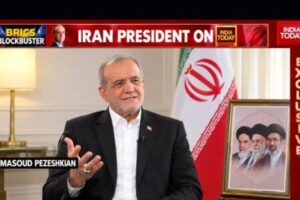
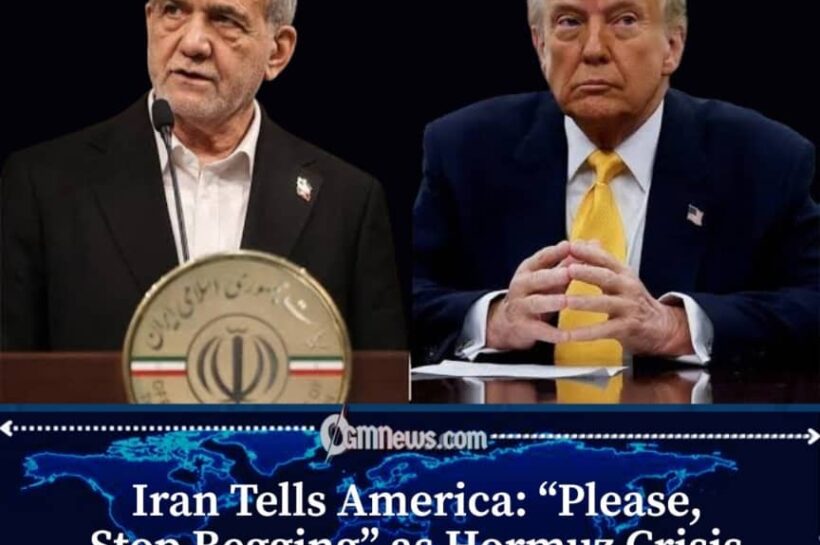
Iran, meanwhile, has rejected the pressure campaign and warned that support for additional U.S. sanctions could be treated as an act of war. That response has raised the stakes beyond economics, because any attempt to squeeze Tehran’s remaining financial lifelines could also affect countries that depend on Iranian oil, shipping routes and regional trade. The joke, apparently, is that nobody told the global economy that it was supposed to stay out of the argument.
Bessent is expected to provide more details about the administration’s plans, making the coming announcements particularly important for banks, oil traders, shipping companies and countries with commercial links to Iran. Analysts will be watching not only the rhetoric but also whether Washington names specific entities, vessels or financial channels for new restrictions.
The message from Washington is therefore becoming increasingly difficult to misunderstand: the next battlefield in the confrontation with Tehran may be the global financial system rather than the conventional battlefield. Whether the strategy forces Iran toward concessions or instead creates wider economic and geopolitical turbulence remains uncertain, but OGM News will continue watching the developing “economic D-Day” story as Washington prepares to reveal what it has been keeping behind the Treasury Department curtain.


[…] […]