

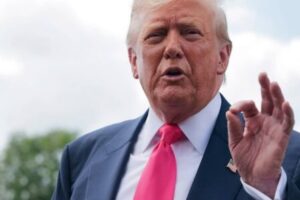




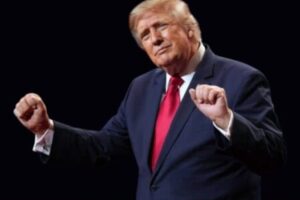













Donald J. Trump has once again found himself at the center of a political storm after dismissing claims that Iranian-linked hackers were behind a wave of cyberattacks targeting water infrastructure across at least seven U.S. states. Instead, Donald J. Trump blamed Minnesota and its Democratic leadership, despite investigators and cybersecurity experts continuing to examine evidence pointing toward suspected Iranian involvement. The unusual accusation has transformed a serious national security issue into yet another political spectacle, with critics joking that hackers may soon need campaign badges before being identified. Federal authorities, including the FBI, continue investigating the attacks while warning that critical infrastructure remains vulnerable to foreign cyber threats.
When Politics Meets Passwords
Officials say the cyberattacks affected water facilities in multiple states, though there is no indication that drinking water safety has been compromised. Investigators continue following technical evidence and previous intelligence assessments suggesting the attacks resemble known Iranian cyber tactics. The growing concern has renewed calls for stronger protection of America’s aging water infrastructure.
In the satirical version of events, Donald J. Trump reportedly convinced the hackers that geography had become a cybersecurity weapon. Firewalls allegedly began checking state maps instead of malicious code, while confused keyboards wondered whether political debates had replaced digital forensics. Somewhere in cyberspace, hackers were said to be watching the blame game unfold with popcorn instead of passwords.
The Search for the Keyboard Culprit
During public remarks, Donald J. Trump rejected suggestions that Iran was responsible and instead criticized Minnesota Governor Tim Walz without presenting evidence for the claim. Walz responded that investigators should remain focused on identifying those actually responsible rather than turning cybersecurity into a political contest. Federal agencies have continued their investigation without officially attributing the attacks.
Meanwhile, cybersecurity specialists quietly returned to tracing malicious software while politicians traded accusations. In our satirical newsroom, experts joked that if speeches could stop hackers, antivirus software would soon be replaced by campaign rallies. Until then, Donald J. Trump remains at the center of the political debate, while investigators continue searching for digital fingerprints instead of political talking points.
Although the political exchange has dominated headlines, the bigger story remains the increasing cyber threat facing America’s critical infrastructure. Whether investigators ultimately confirm Iranian involvement or uncover additional actors, the focus will remain on protecting essential services from future attacks. OGM News will continue monitoring official findings and developments as this story evolves.
[…] […]