











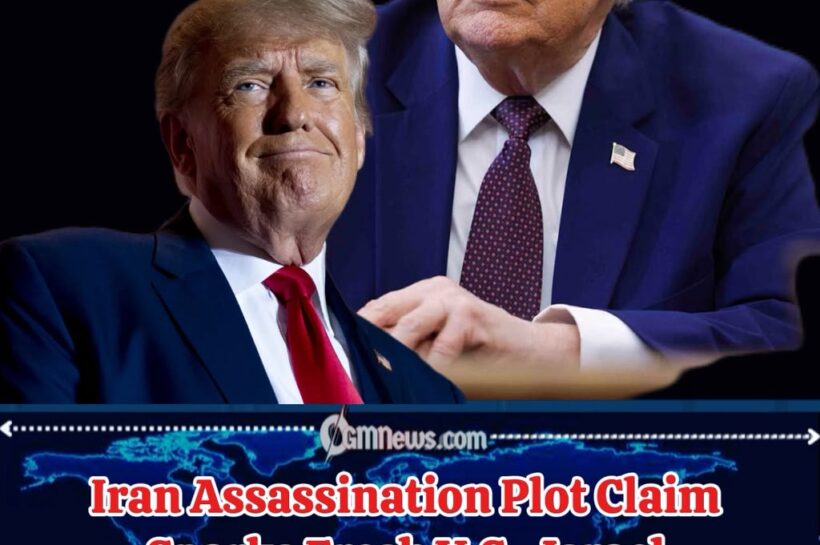
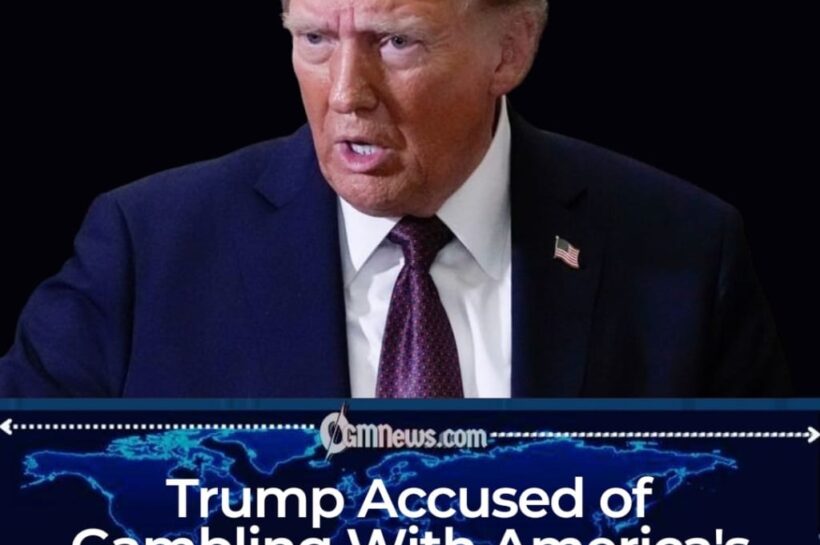



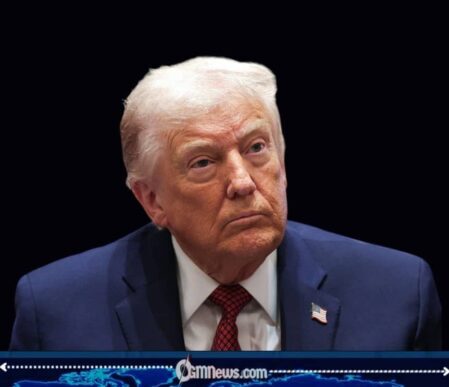
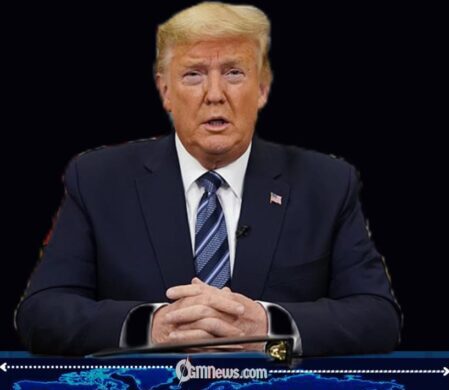
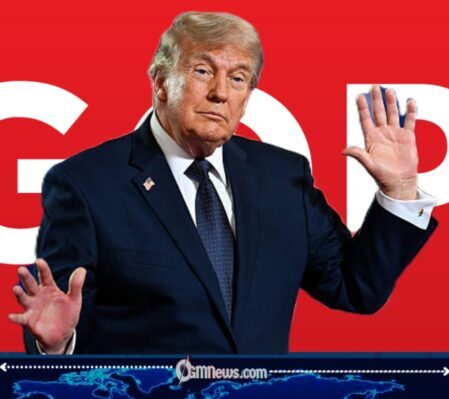
Trump has once again placed U.S.-Iran relations at the center of global attention after revealing that he has directed American officials to unleash a devastating military response if Iran were ever to successfully assassinate him. The declaration, presented as a deterrent rather than a call for conflict, immediately sparked renewed debate over whether such public warnings strengthen national security or further elevate already fragile tensions in the Middle East. With memories of past confrontations still fresh, the statement has become another defining moment in an already volatile relationship.
Trump’s Iran Warning Sparks Fresh Debate Over Nuclear-Era Deterrence
President Donald Trump said the standing instruction exists to ensure Iran understands the consequences of any successful assassination attempt against him. His remarks were framed as a preventive measure intended to discourage hostile action rather than encourage military confrontation. The warning follows years of public reports that U.S. security agencies have treated threats against Trump seriously, particularly because of Iran’s longstanding vow to avenge the death of General Qasem Soleimani.
The origins of today’s tensions stretch back to January 2020, when Trump authorized the U.S. strike that killed Soleimani, then commander of Iran’s Quds Force. The strike dramatically altered relations between Washington and Tehran, triggering Iranian missile attacks on Iraqi bases housing U.S. forces and establishing a cycle of retaliation, sanctions and repeated military alerts. Although both governments have periodically signaled interest in diplomacy, distrust has remained deeply entrenched.
Trump Says Warning Is Meant to Deter Any Iranian Plot
Beyond the immediate headline, Trump’s latest statement reflects a broader strategy of deterrence that has characterized much of the U.S.-Iran relationship. Analysts generally view such declarations as attempts to discourage adversaries by making the potential consequences unmistakably clear. Whether this reduces the likelihood of conflict or instead contributes to heightened tensions remains a matter of debate among foreign policy observers.
Recent reports have indicated that intelligence agencies continue to monitor potential threats linked to Iran, while officials have maintained heightened security around Trump because of persistent concerns dating back to Soleimani’s killing. At the same time, diplomatic efforts involving Iran’s nuclear program and regional security have repeatedly faced setbacks, leaving military rhetoric and strategic messaging to dominate headlines whenever new statements emerge.
With Donald placing renewed emphasis on deterrence, the international community will be watching closely to see whether firm rhetoric keeps both sides from crossing dangerous lines or merely adds another chapter to one of the world’s most closely watched geopolitical rivalries. OGM News will continue following developments as new information becomes available.
[…] […]