
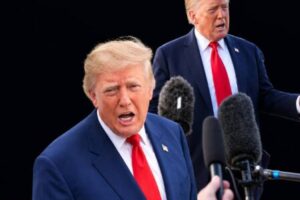



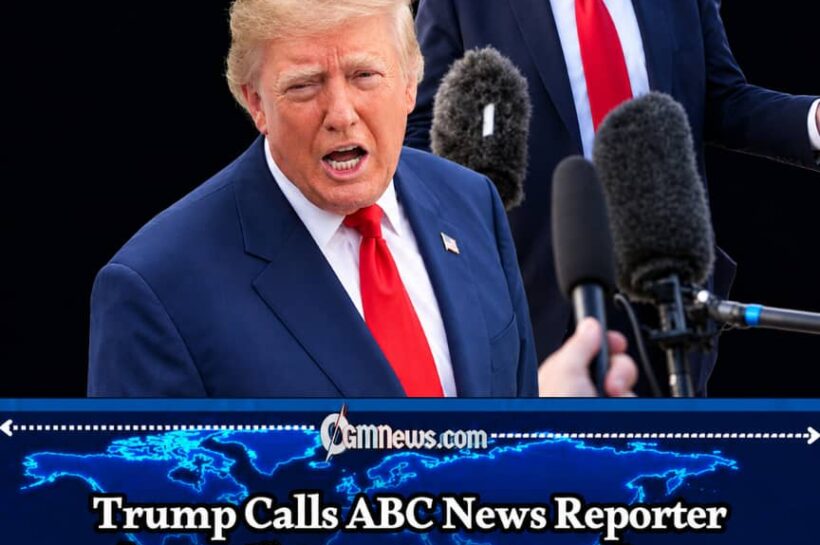

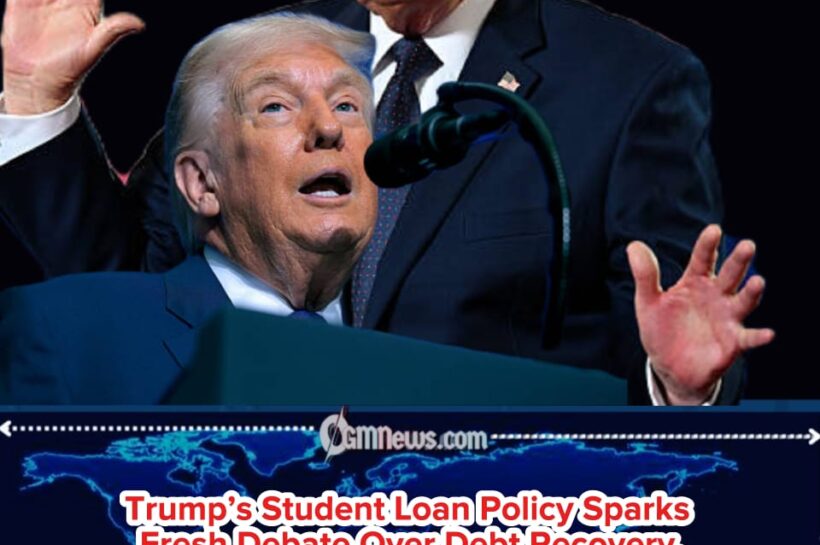




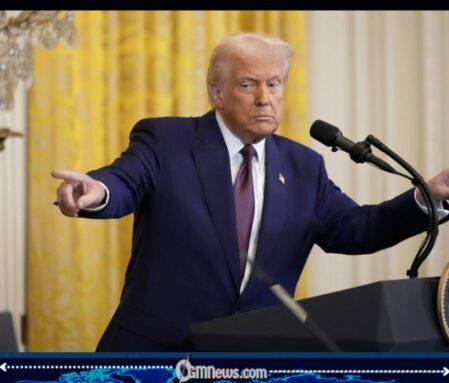
Hormuz Tolls are once again at the centre of international debate after President Donald Trump declared that Iran would not be allowed to charge vessels passing through the Strait of Hormuz while simultaneously suggesting that the United States could impose its own fees under certain circumstances. The comments have reignited questions about sovereignty, maritime commerce and the future of a ceasefire arrangement that was supposed to lower tensions rather than create new controversies.
The remarks arrive at a sensitive moment. Negotiators are preparing for follow-up talks intended to stabilize the region after months of conflict, yet disagreements over Hormuz Tolls are already threatening to overshadow discussions about security, trade and long-term peace. For governments dependent on uninterrupted energy shipments, the uncertainty has become impossible to ignore.
The Ceasefire Framework Faces Early Pressure
According to the latest developments, the ceasefire memorandum established a sixty-day period during which the Strait of Hormuz would remain open and Iran would refrain from collecting passage fees. The arrangement was designed as an interim measure that could create space for broader negotiations on regional security and Iran’s nuclear programme.
However, competing interpretations of the agreement have emerged almost immediately. Iranian military authorities have cited alleged violations linked to ongoing regional military activity, while American officials have maintained that maritime traffic continues to move through the waterway. The disagreement has highlighted how fragile the ceasefire remains despite public commitments to diplomacy.
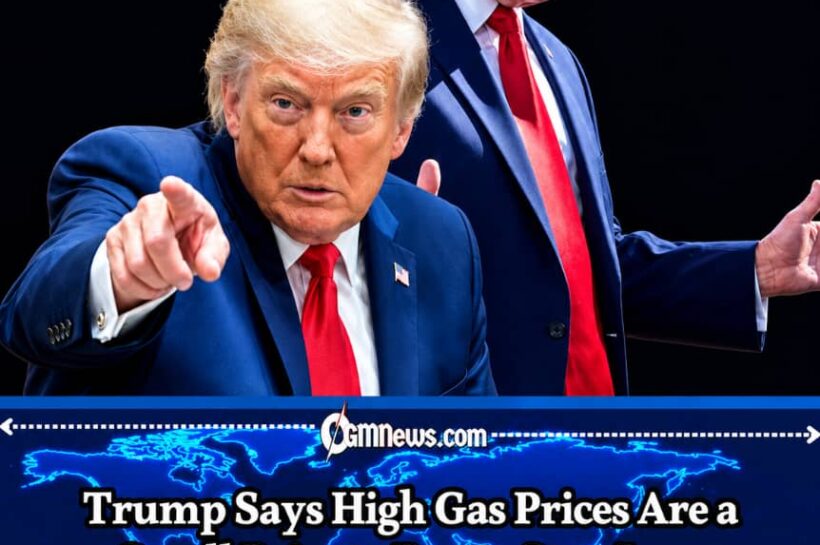
Trump’s latest statement added another layer of complexity. While emphasizing that no tolls should be charged during the current period, he revived the possibility that the United States could collect fees in the future if negotiations fail. The proposal effectively transforms Hormuz Tolls from a theoretical debate into a live diplomatic issue.
Strategic Waterway And Global Economic Stakes
The significance of the Strait of Hormuz extends far beyond regional politics. The narrow passage serves as one of the world’s most important maritime routes, carrying a substantial share of internationally traded oil, natural gas and fertiliser shipments. Any disruption, restriction or uncertainty involving the waterway tends to attract immediate attention from energy markets and governments alike.
The debate over Hormuz Tolls also raises broader questions about who has the authority to regulate access to strategic international waterways. Iran has consistently framed the issue through the lens of sovereignty and regional negotiations, while Trump has argued that the United States deserves compensation for what he characterizes as its security role in the region. Neither position has yet emerged as the basis for an internationally accepted framework.
Diplomatic efforts are continuing despite the controversy. Pakistan has played a significant mediating role between Washington and Tehran, while Swiss-hosted discussions are expected to focus on both implementation of the existing memorandum and the framework for future negotiations. The outcome of those talks may determine whether the current ceasefire evolves into a longer-term agreement or becomes another temporary pause in a much larger dispute.
For now, Hormuz Tolls remain more of a political argument than an operational reality. Yet the fact that world leaders are openly discussing who might eventually collect fees from one of the planet’s most critical shipping lanes demonstrates how rapidly regional diplomacy can evolve. OGM News will continue monitoring negotiations, maritime developments and official responses as governments attempt to determine whether the Strait of Hormuz remains a free passageway or becomes the centre of an entirely new geopolitical contest.
Downloaded the 881betapp the other day. Clean interface, does the job. Quick and easy betting...