


















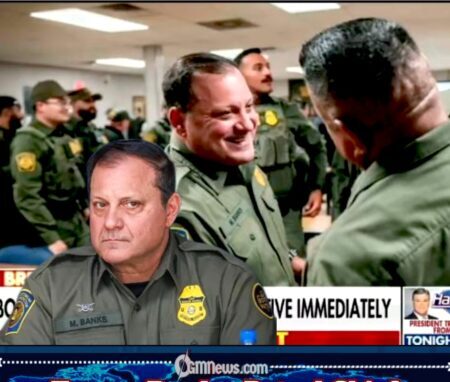
The sudden resignation of Trump’s border patrol chief Mike Banks has sent shockwaves through Washington, igniting intense debate over leadership accountability and internal vetting within federal security agencies. The development, described by insiders as abrupt and politically sensitive, comes amid reported allegations involving inappropriate conduct during an overseas trip. The situation has intensified scrutiny on President Donald J. Trump’s administration, particularly its personnel selection standards, with critics and supporters now locked in competing narratives over what triggered the high-profile departure.
Reported Allegations and Sudden Resignation Trigger Internal Turmoil
The resignation marks a significant leadership shift within the border security structure, arriving without prior public indication of internal conflict. Reports circulating within political circles suggest that Mike Banks’ resignation was linked to allegations that he traveled abroad and became involved with sex workers, though these claims remain unverified by official investigative disclosures.
The resignation, in this context, has become a focal point of political discussion, with commentators pointing to it as another test of institutional stability. The administration has yet to issue a detailed explanation, leaving the public to rely on fragmented reports and insider accounts. The word resignation has now become central to discussions surrounding accountability and trust in federal appointments.
Political Fallout and Broader Questions Over Federal Vetting Systems
The resignation has prompted renewed debate over how senior officials are screened before assuming sensitive national security roles. Critics argue that repeated controversies involving high-level departures raise questions about the effectiveness of vetting procedures and internal oversight mechanisms within the administration.
In response, analysts note that similar incidents across previous administrations have often led to policy reviews, internal restructuring, or increased background scrutiny for senior appointees. While no official inquiry has been announced in this case, the political pressure surrounding the incident continues to build, with lawmakers expected to demand clarification in the coming days.
The controversy now extends beyond the individual case, evolving into a broader discussion about institutional credibility, personnel management, and public trust in border security leadership. As the situation develops, further statements from federal authorities are expected to determine whether this resignation remains an isolated incident or becomes part of a wider administrative reckoning.
The unfolding events suggest that Washington has not heard the last of this matter, as political observers anticipate additional disclosures that may either confirm or complicate the current narrative.
I have been looking for a trustworthy gaming site for a while and this one...