
























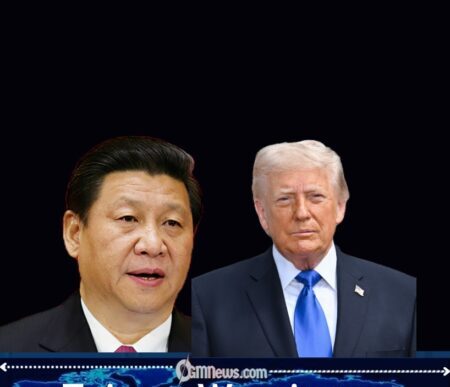
Taiwan dominated the latest meeting between President Donald J. Trump and Chinese President Xi Jinping in Beijing, transforming what was expected to be a carefully managed economic reset into a tense reminder of how fragile U.S.-China relations remain. Although both leaders publicly praised cooperation and economic stability, Chinese officials later revealed that Xi privately warned Trump that mishandling Taiwan could lead to “clashes and even conflicts” between the two powers. The warning instantly became the defining moment of a summit that otherwise featured optimistic speeches, ceremonial pageantry and promises of renewed trade cooperation.
The meeting came at a critical time for both governments. Washington and Beijing are still recovering from the economic damage caused by last year’s tariff escalation, which briefly pushed tariffs on some goods above 100% and rattled global supply chains. Yet despite public optimism from both sides, the Taiwan issue once again exposed the deeper strategic distrust hiding beneath diplomatic smiles and business-friendly language.
Taiwan Warning Dominates Trump-Xi Meeting in Beijing
Taiwan emerged as the central pressure point throughout the summit, even though neither Trump nor Xi publicly answered reporters’ questions about whether the issue was discussed directly. Chinese officials later emphasized that Taiwan remains the single most important issue in U.S.-China relations, reinforcing Beijing’s longstanding position that the island is inseparable from mainland China. Xi reportedly warned that support for Taiwanese independence and cross-strait peace are “as irreconcilable as fire and water,” language designed to signal both urgency and frustration.
The White House notably excluded Taiwan from its official description of the talks, focusing instead on economic cooperation and investment opportunities. That silence has fueled speculation among analysts and political observers that sensitive discussions may have taken place privately. In Taiwan itself, concerns continue to grow that the island’s security could become entangled in wider negotiations between Washington and Beijing, especially as both governments attempt to stabilize trade and avoid another economic confrontation.
Trump and Xi Push Trade Stability Amid Taiwan Tensions
The Beijing summit also reflected how dramatically the tone between both governments has shifted since last year’s trade war. After months of tariff battles involving semiconductors, rare earth exports, soybean imports and technology restrictions, both countries now appear eager to avoid another direct economic collision. Xi described China-U.S. trade as “mutually beneficial,” while Trump repeatedly praised the atmosphere of the discussions and predicted a “fantastic future together.”
The presence of major American business leaders at the summit further highlighted the economic stakes involved. Executives from leading technology companies attended portions of the bilateral meetings, underscoring how dependent many U.S. firms remain on the Chinese market despite rising geopolitical risks. At the same time, American officials remain cautious about China’s growing technological ambitions, particularly regarding advanced semiconductor access and artificial intelligence development.
Iran and Middle East energy routes also became unexpectedly important topics during the summit. Both governments reportedly agreed that the Strait of Hormuz must remain open, reflecting shared concerns about global oil supplies and economic stability. China’s heavy dependence on Middle Eastern energy imports gives Beijing strong incentives to avoid prolonged regional conflict, while Washington continues pushing for broader international pressure against Iran’s nuclear ambitions.
For now, both leaders appear committed to projecting stability rather than confrontation. Yet the Beijing summit showed that beneath the carefully staged handshakes, banquet speeches and optimistic economic language, Taiwan remains the unresolved fault line capable of shaking the entire U.S.-China relationship. OGM News understands that future negotiations between both powers will likely continue balancing trade cooperation against mounting strategic suspicion, a combination that may keep global markets nervous long after the applause from Beijing’s state banquet fades.

[…] […]