













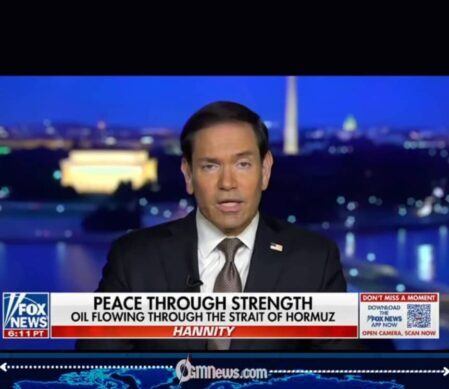
U.S. Secretary of State Marco Rubio has renewed Washington’s warning that Iran must not acquire a nuclear weapon, portraying the country’s ruling clerical establishment as a particularly dangerous combination of religious ideology, geopolitical ambition and nuclear technology. In remarks reported in recent months, Rubio has repeatedly distinguished Iran’s people from the regime governing them while arguing that the clerical leadership’s worldview makes nuclear weapons an unacceptable risk.
In the latest chapter of this increasingly dramatic international argument, Rubio’s warning sounds almost like the opening scene of a satirical disaster movie: the clerics have the ideology, the missiles are somewhere in the background, diplomacy is knocking at the door, and everyone is hoping nobody reaches for the nuclear button. The serious issue underneath the satire, however, is real: Washington continues to make preventing an Iranian nuclear weapon a central objective.
The Nuclear Briefcase Nobody Wants to See
Rubio has argued that the people directing Iran are radical Shia clerics with what he describes as an apocalyptic view of the future. He has warned that allowing such a leadership to obtain nuclear weapons could create an extraordinary security danger, while emphasizing that his criticism is directed at the ruling regime rather than the Iranian population.
The secretary’s argument has remained remarkably consistent: Iran should not be allowed to reach the point where nuclear capability becomes a tool for threatening or blackmailing other countries. In June 2025, Rubio said Washington wanted an agreement allowing peaceful nuclear activity but preventing Iran from possessing weapons-grade material or the capability to produce a nuclear weapon.
Diplomacy Meets the Apocalypse
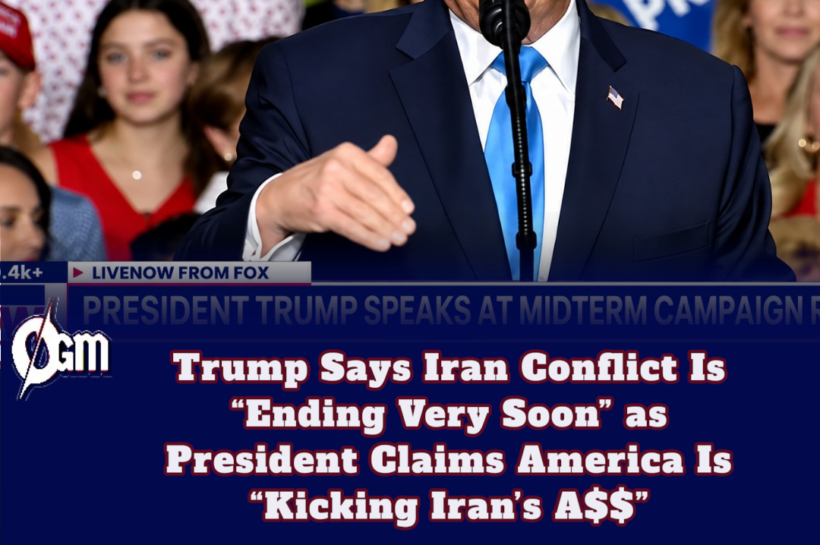
The timing makes the issue even more consequential. As of September 2026, the United States and Iran remain involved in indirect diplomatic efforts, with mediators attempting to find a path toward ending the conflict and reopening the Strait of Hormuz. President Donald J. Trump has rejected an Iranian proposal for ending the hostilities in its current form, while also maintaining that discussions remain possible.
Rubio, meanwhile, has said Washington remains open to discussions if they can produce meaningful progress toward preventing Iran from obtaining a nuclear weapon. So, in the satirical newsroom version of events, the international community appears to be watching one extraordinarily tense diplomatic table: on one side, negotiators are discussing sanctions and nuclear limits; on the other, Rubio is effectively warning that nobody should allow the apocalypse to acquire its own nuclear launch code. The underlying policy dispute, however, remains firmly centered on nuclear proliferation, regional security and the future of U.S.-Iran diplomacy.
For now, the nuclear question remains one of the biggest unresolved issues in the U.S.-Iran confrontation. Rubio’s warnings have kept the focus on the danger Washington sees in Iran’s clerical leadership obtaining nuclear weapons, while continuing diplomatic contacts suggest that negotiations have not completely disappeared from the picture. Readers should watch OGM News for future updates as the nuclear dispute, diplomacy and the wider conflict continue to unfold.
[…] […]