











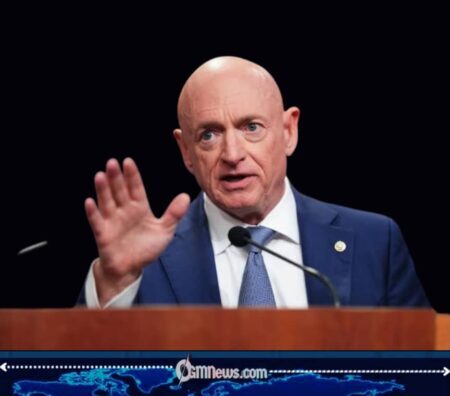
Senator Mark Kelly has accused President Donald Trump’s administration of attempting to silence political opponents, warning that retaliation against critics represents a serious challenge to democratic norms in the United States. Kelly stated that individuals who express views the administration dislikes are increasingly facing political and institutional pressure, describing the trend as “un-American.”
The comments come amid growing tensions between congressional Democrats and the administration over military conduct, executive authority, and free speech. The controversy has expanded into a broader national debate over constitutional protections, the limits of executive power, and the role of dissent in American democracy.
Kelly’s Accusations: Claims of Political Retaliation
Senator Mark Kelly argued that the administration’s actions reflect a deliberate effort to intimidate critics and discourage opposition. His remarks followed heightened disputes involving the Pentagon and criticism directed at lawmakers who questioned certain military and policy decisions.
Kelly maintained that public officials should be able to voice concerns without fear of retaliation. He warned that attempts to pressure or punish political opponents could weaken public confidence in democratic institutions and damage long-standing constitutional traditions.
The Arizona senator’s statements have resonated with broader concerns among civil liberties advocates who argue that aggressive political rhetoric and investigations into critics may create a chilling effect on free expression.
Pentagon Dispute Intensifies Political Debate
The controversy escalated after Defense Secretary Pete Hegseth reportedly issued formal criticism connected to comments Kelly and other lawmakers made regarding military conduct and unlawful orders.
The dispute centered on public statements reminding military personnel that they are obligated to reject illegal directives.
Administration officials argued that such remarks risked undermining military discipline, while critics contended that the statements reflected established constitutional principles.
The Pentagon’s response drew significant public attention because it involved a sitting senator with a distinguished military background, raising questions about the relationship between civilian oversight, military authority, and political speech.
Mark Kelly’s Military Record Shapes Public Response
Mark Kelly’s background as a former Navy captain, combat veteran, and NASA astronaut has played a major role in the public reaction to the controversy. Supporters argue that his experience gives credibility to his concerns about constitutional responsibilities within the armed forces.
Mark Kelly has emphasized that his military service strengthened his commitment to democratic principles and the rule of law. He has also argued that public officials and service members alike have a duty to defend constitutional protections, including freedom of expression and lawful oversight.
The senator’s supporters view the criticism directed at him as politically motivated, while opponents argue that public comments involving military operations must be handled carefully to preserve discipline and unity within the armed forces.
Trump Administration Defends Its Actions
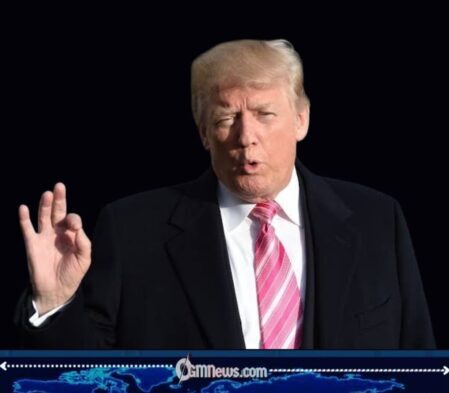
President Donald Trump, currently serving a second term, and members of his administration have rejected accusations that they are attempting to silence critics. Officials insist that their actions are focused on accountability, military professionalism, and national security concerns rather than political retaliation.
Supporters of the administration argue that strong responses to controversial statements are necessary in a highly polarized political climate. They contend that criticism of government actions does not exempt elected officials from scrutiny or public accountability.
At the same time, opponents argue that increasingly confrontational rhetoric from the administration risks deepening divisions and creating concerns about the treatment of political dissent in the United States.
Broader Debate Over Executive Power and Civil Liberties
The dispute between Mark Kelly and the administration has become part of a wider national conversation about executive authority, political polarization, and civil liberties during President Donald Trump’s second term.
Legal experts and political analysts remain divided over whether actions taken against administration critics represent legitimate oversight or excessive use of governmental influence. Some constitutional scholars have warned that punitive measures tied to political speech could create troubling precedents for future administrations.
Others argue that political leaders must balance free expression with the responsibilities associated with national security and military communication. The disagreement reflects broader tensions surrounding governance in an increasingly polarized environment.
Political Fallout and National Implications
The controversy has intensified partisan divisions in Washington, with Democrats largely rallying behind Mark Kelly’s defense of free speech while many Republicans support the administration’s position on accountability and military discipline.
Political observers note that the dispute may have lasting implications for future debates involving executive power, congressional oversight, and the rights of elected officials to openly challenge government actions.
As President Donald Trump continues his second term, controversies involving criticism, dissent, and institutional authority are expected to remain central features of the national political landscape.
A Defining Debate Over Dissent and Democracy
Senator Mark Kelly’s accusation that the Trump administration is attempting to silence critics has sparked a far-reaching debate about the boundaries of political power and constitutional freedoms in the United States.
While the administration maintains that its actions are rooted in accountability and national security concerns, critics warn that aggressive responses to dissent risk undermining democratic norms and public trust. The ongoing confrontation highlights the growing tension between political authority and free expression in modern American politics.
[…] […]