



























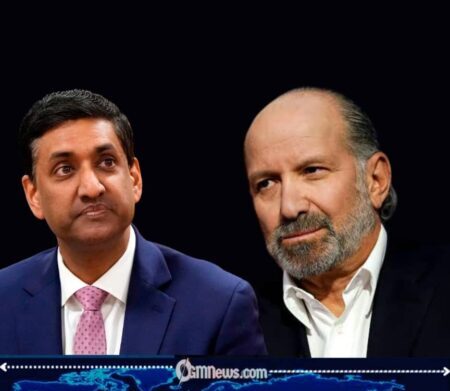
Representative Ro Khanna has intensified scrutiny of Commerce Secretary Howard Lutnick following disputed remarks connected to convicted sex offender Jeffrey Epstein and allegations involving potential blackmail operations. The controversy erupted after Lutnick appeared to revise earlier comments suggesting Epstein may have possessed compromising material on influential individuals.
The dispute has fueled broader political debate over transparency, accountability, and the handling of unresolved questions tied to Epstein’s network of powerful associates. While lawmakers continue demanding additional disclosures, investigators and major news organizations have also emphasized the need to separate documented evidence from speculation surrounding the case.
Khanna Challenges Lutnick’s Changing Statements
Ro Khanna publicly criticized Howard Lutnick after congressional testimony in which Lutnick reportedly downplayed earlier suggestions that Epstein had used compromising recordings to pressure influential figures. Khanna argued that the apparent shift in Lutnick’s position raised concerns about credibility and public transparency.
The California congressman stated that inconsistent explanations surrounding Epstein-related matters risk undermining confidence in ongoing investigations. Khanna and several other lawmakers pressed for clearer answers regarding what government officials and associates may have known about Epstein’s activities and relationships.
The exchange quickly became one of the most closely watched moments in recent congressional oversight hearings, drawing attention from both political observers and advocacy groups focused on accountability.
The Epstein Case Continues to Cast a Long Shadow
Jeffrey Epstein’s criminal history and connections to prominent political, business, and social figures continue to generate controversy years after his death in federal custody. Court records, investigative reporting, and witness testimony have revealed extensive allegations involving exploitation, abuse, and the use of surveillance equipment in Epstein’s residences.
Investigators previously discovered hidden cameras and monitoring systems at some Epstein properties, contributing to widespread speculation that compromising material may have existed. However, while allegations regarding recordings have been documented in court filings and testimony, broader claims involving organized intelligence operations remain unverified.
Major news organizations and legal experts have repeatedly stressed that many theories circulating online about Epstein’s activities have not been conclusively proven through official investigations.
Howard Lutnick Faces Questions Over Past Connections
Howard Lutnick has faced growing scrutiny following reports detailing past interactions with Epstein after Epstein’s earlier criminal conviction. News reports referencing emails, meetings, and travel records have prompted lawmakers to examine the nature and extent of Lutnick’s relationship with Epstein.
Lutnick has denied wrongdoing and insisted that some of his earlier comments regarding blackmail were speculative rather than based on confirmed evidence. He has also defended his congressional testimony, arguing that he answered questions honestly and fully.
Despite criticism from some lawmakers, the administration of President Donald Trump, currently serving a second term, has continued supporting Lutnick amid calls from critics for further investigation.
Debate Over Transparency and Public Trust
The controversy has reignited debate over whether the American public has received full transparency regarding Epstein’s network and the scope of his activities. Some lawmakers argue that unresolved questions continue to fuel mistrust and speculation.
Advocates for greater disclosure believe additional government records and investigative findings should be released to provide clearer answers. Others caution that speculation unsupported by verified evidence risks spreading misinformation and overshadowing documented facts.
The situation illustrates the challenge facing public institutions as they attempt to address legitimate questions while countering conspiracy theories that have proliferated online.
Intelligence Agency Claims Remain Unproven
Among the most controversial claims surrounding Epstein are allegations that he may have operated on behalf of intelligence agencies such as the CIA or Mossad. These theories have circulated widely in political commentary and social media discussions for years.
However, no official U.S. investigation or major reputable news organization has conclusively established that Epstein acted as an intelligence operative. Analysts and journalists have emphasized that while Epstein’s unusual access to powerful individuals has prompted questions, suspicions alone do not constitute proof.
Experts warn that presenting speculative allegations as established fact can undermine serious investigative efforts and complicate public understanding of the case.
Political and Institutional Fallout
The growing controversy surrounding Khanna, Lutnick, and Epstein-related testimony has become part of a wider national debate about elite accountability, institutional trust, and the influence of powerful networks in American public life.
For critics of the administration, the episode raises concerns about transparency and oversight. Supporters of the administration argue that some accusations are politically motivated and based on unverified assumptions rather than concrete evidence.
As investigations and public scrutiny continue, the Epstein case remains one of the most politically sensitive and emotionally charged issues in modern American discourse.
Khanna: Accountability Questions Continue to Drive National Debate
The confrontation between Ro Khanna and Howard Lutnick has intensified public attention on unresolved issues connected to Jeffrey Epstein and his network of influential associates. While lawmakers push for greater transparency and accountability, investigators and journalists continue urging caution against presenting speculative theories as proven facts.
As President Donald Trump’s administration faces mounting questions surrounding the controversy, the broader challenge remains balancing legitimate demands for disclosure with the responsibility to distinguish verified evidence from conjecture. The outcome of these debates may shape public trust in institutions and future congressional oversight efforts for years to come.

Logging in is a breeze and the site stability is amazing even during peak hours....