



























The Second Amendment Solution has once again entered the center of Washington’s foreign policy debate, following renewed suggestions that the United States could support Iranian opposition forces as an alternative to deploying American troops. The proposal, attributed to Senator Lindsey Graham, has triggered sharp disagreement across political and security circles, reviving old questions about intervention, proxy warfare, and long-term regional stability.
The discussion arrives at a time when tensions between Washington and Tehran remain fragile, and policymakers are attempting to balance deterrence with restraint. What began as a strategic suggestion has quickly evolved into a broader political argument about whether history is being studied—or simply recycled.
SECOND AMENDMENT SOLUTION: FOREIGN POLICY DEBATE AND THE RETURN OF PROXY THINKING
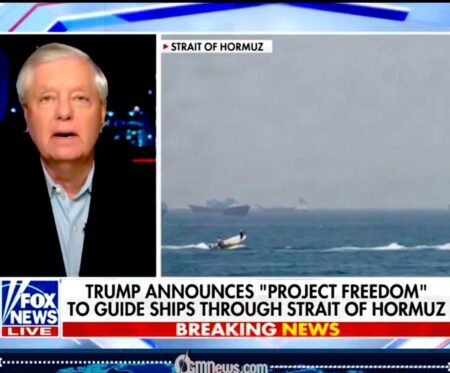
Senator Lindsey Graham’s remarks suggested that instead of sending U.S. forces into Iran, Washington could empower internal opposition groups to pressure the government from within. He described the idea as a “no boots on the ground” approach, presenting it as a modern workaround to conventional military engagement.
Supporters of this view argue it reduces direct American casualties while maintaining strategic pressure. However, critics point out that similar approaches in past conflicts have produced fragmented outcomes, often leaving power vacuums that are difficult to control once the initial objective is achieved.
In this context, the Second Amendment Solution framing has become a symbolic shorthand for a broader policy argument: whether indirect intervention is truly less costly, or simply less visible.
Meanwhile, past discussions about arming regional partners—such as Kurdish forces in earlier Middle East operations—have resurfaced in the debate, with analysts noting that outcomes varied widely depending on local political dynamics and post-conflict planning.
SECOND AMENDMENT SOLUTION: CRITICISM, WARNINGS, AND THE SHADOW OF PAST INTERVENTIONS
Opposition voices, including former national security adviser Joe Kent, have strongly rejected the proposal, warning that it reflects what he described as a cyclical pattern of strategic miscalculation. He argued that relying on armed local groups risks repeating what he called predictable long-term instability.
His criticism centers on the concern that empowering fragmented groups inside sovereign states can lead to unintended escalation, shifting alliances, and prolonged conflict environments that are difficult to disengage from once initiated.
Policy analysts outside the administration have also pointed to historical precedents in which proxy support strategies created secondary security crises, complicating withdrawal plans and regional diplomacy efforts. These concerns have become central to the current debate in Washington, especially as lawmakers weigh short-term tactical gains against long-term geopolitical consequences.
As discussions continue, the Second Amendment Solution remains a polarizing phrase—symbolizing both strategic innovation to some and historical repetition to others. The trajectory of this proposal is expected to remain a focal point in upcoming policy deliberations as Washington reassesses its broader approach to Iran and regional security.
The coming weeks are likely to determine whether this proposal evolves into formal policy consideration or fades into the long list of contested foreign strategy ideas that never fully left the debate stage
Ae888covenuscasino, okay, I'm curious. Gonna check out this site and try to find some amazing...