









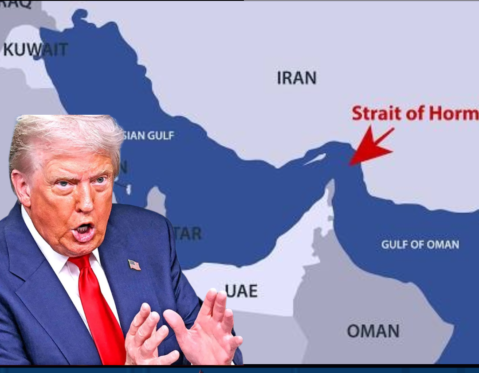
Strait of Hormuz-Toll Booth Remains | OGM News — In an astonishing geopolitical twist, Iran has effectively turned the Strait of Hormuz — through which nearly one-fifth of the world’s oil passes — into a de facto maritime toll booth following the recent U.S.–Iran ceasefire. This strategic move, unprecedented in modern times, has reignited geopolitical tensions just as global markets hoped for calm. Critics are now questioning whether Tehran has outmaneuvered Washington at every turn, transforming the once-neutral waterway into a geopolitical revenue stream — and possibly a diplomatic leverage tool. President Donald J. Trump announced this week that a negotiated — and unexpectedly conditional — two-week ceasefire with Iran hinges on reopening the Strait of Hormuz, even as Tehran maintains a de facto tolling regime on passage through the vital waterway.
Strait of Hormuz or of Speculation: Toll Booth or Strategic Win?
Iran’s newly instituted “toll” on passage through the Strait of Hormuz is being described by shipbrokers and regional officials as a politically charged system in which vessels linked to friendly or strategic partners are tolerated — and charged fees — while adversarial shipping remains effectively blocked. Reports suggest some fees could exceed $1 million per passage, a levy that could reshape commercial shipping practices and global supply chains.
Under international norms such as the United Nations Convention on the Law of the Sea (UNCLOS), natural straits like Hormuz are generally regarded as international waterways subject to free transit passage without tolls. That legal framework now confronts reality: Iran insists on the right to fees, citing security costs and wartime conditions, even though most mariners and legal experts view the move as legally contested and potentially destabilizing.
Far from being a temporary wartime anomaly, analysts say Tehran’s swift move to institutionalize this “toll” may be part of a broader bid to secure economic benefits and geopolitical leverage long after hostilities fade. Supporters in Tehran argue this is a legitimate means of asserting sovereignty over a critically strategic choke point that has endured decades of conflict and foreign pressure. Opponents warn it sets a dangerous precedent that could invite reciprocal claims by other coastal powers.
Strait of Hormuz-Toll Booth After Ceasefire Controversy: What Was Really Agreed?
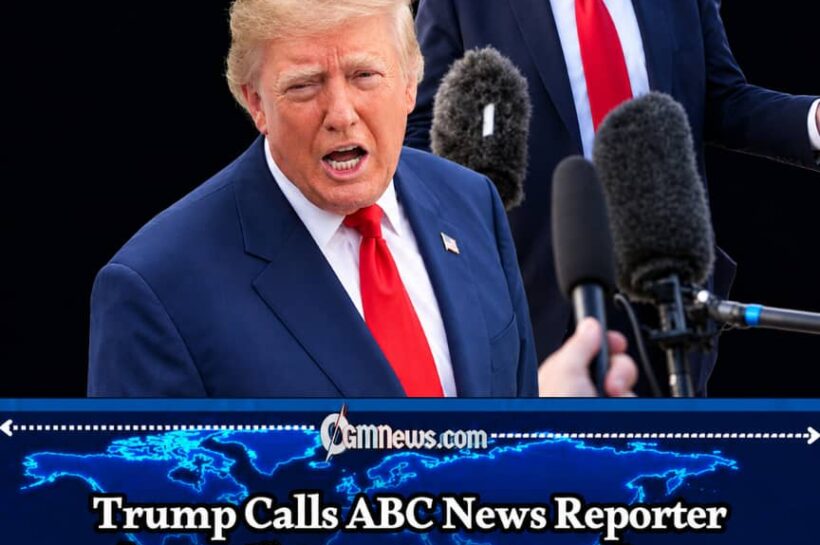
The ceasefire brokered between the United States and Iran — finalized just hours before President Donald J. Trump’s self-imposed deadline for devastating strikes — includes the reopening of the Strait of Hormuz to commercial traffic. Trump hailed this as a diplomatic victory and a demonstration of U.S. strength. But even as the waterway reopened, Iran made clear that controlled passage would occur via coordination with its armed forces, essentially preserving its newly acquired leverage.
Jonathan Karl, Chief Washington Correspondent, posted on X that when asked whether President Trump was “okay with the Iranians charging a toll for all ships that go through the Strait of Hormuz,” the president responded with the notion of a possible joint U.S.–Iran venture to collect fees, calling it “a beautiful thing.” Such remarks have fueled controversy domestically and internationally, with critics saying this narrative serves more as political propaganda than substantive policy clarity.
International reactions have been mixed. Gulf states and major shipping stakeholders are alarmed at the notion of fees being levied unilaterally in a route historically protected for free navigation. Legal experts emphasize that charging tolls directly for transit would violate long-standing maritime law, even as Tehran simultaneously negotiates with neighbors such as Oman on protocols for licensing passage.
Global Ripples: Geopolitics, Markets, and Maritime Mood
The Strait of Hormuz is central to global energy flows — disruptions in March led oil prices to surge markedly as tanker traffic collapsed amid blockades and military threats. Even with the ceasefire and “reopening,” the specter of fees has influenced market sentiment, shipping insurance costs, and strategic planning for importers reliant on Middle Eastern oil.
Moreover, Iran’s move dovetails with broader efforts by Tehran and key partners, including China, to reduce dependence on the U.S. dollar and amplify alternative economic mechanisms across global trade routes. Some analysts see this as part of a longer arc in which Iran seeks not just conflict respite but a reassertion of regional influence that spans economics, diplomacy, and strategic intelligence.
While the two-week ceasefire offers a temporary pause in hostilities, fundamental questions remain: who controls one of the world’s most vital maritime routes, what rights belligerents may exercise in peacetime and wartime, and whether Washington’s diplomatic strategy has unintentionally yielded leverage to Tehran rather than constrained it. For many observers, the “toll booth” at Hormuz represents far more than a fee — it symbolizes a dramatic reshaping of power dynamics in the Middle East and on the high seas.
In the midst of ongoing negotiations and global speculation, one certainty persists: the Strait of Hormuz is no longer simply a geographic corridor — it has become a flashpoint in the evolving terrain of 21st-century diplomacy.
F. M. P. at OGM News
Logging in is a breeze and the site stability is amazing even during peak hours....